

If you’ve been searching for a Do I have Sjögren’s syndrome quiz, you may already be noticing persistent dryness or other unexplained symptoms. While an online self-check cannot replace a medical evaluation, learning about Sjögren disease can help you better understand what might be happening and when to seek professional care.

Sjögren disease, formerly called Sjögren’s syndrome, is an autoimmune disorder that targets the glands responsible for producing saliva and tears. When these moisture-producing glands are damaged, it can lead to chronic dry mouth and dry eyes.
In Sjögren disease, the immune system mistakenly attacks the salivary and lacrimal glands. These glands normally keep the eyes and mouth lubricated by producing tears and saliva. Because of this immune response, the body does not generate adequate moisture, leading to hallmark dryness symptoms and potentially affecting other organs.
Below, you’ll learn more about Sjögren disease, including its types, symptoms, causes, diagnosis, and available treatments—information that can complement what you might discover in a Do I have Sjögren’s syndrome quiz.
Types of Sjögren disease
Healthcare professionals classify Sjögren disease into two main categories: primary and secondary.
Primary Sjögren disease occurs on its own, without another underlying rheumatic disease. Secondary Sjögren disease develops in people who already have another autoimmune or rheumatic condition.
Primary Sjögren disease is often considered more severe and may result in more pronounced dryness and systemic symptoms compared with the secondary form.
What are the symptoms of Sjögren disease?
Sjögren disease can involve multiple systems throughout the body. Common signs and symptoms include:
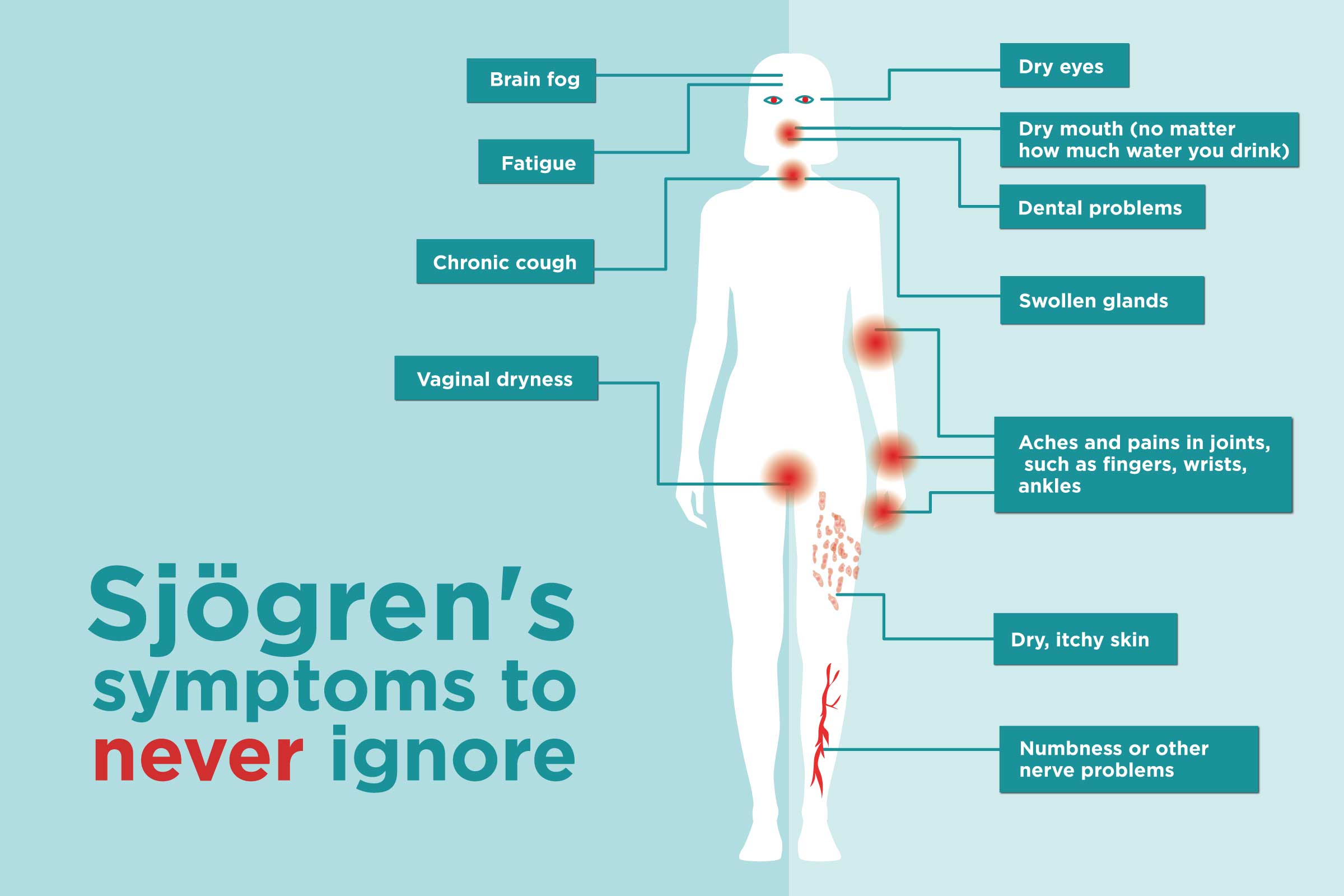
- dry mouth, which may interfere with speaking and swallowing and raise the risk of cavities
- heartburn
- dry nasal passages
- dry eyes, often described as burning or the sensation of a foreign object in the eye
- vaginal dryness
- dry skin
- fatigue
- rashes
- joint pain
- constipation
- a persistent dry cough
- organ inflammation, potentially affecting the kidneys, lungs, or pancreas
Because these symptoms can overlap with other autoimmune diseases, people often use tools like a Do I have Sjögren’s syndrome quiz as a starting point. However, only a thorough medical evaluation can confirm the diagnosis and rule out related conditions.
Causes and risk factors for Sjögren disease
Experts likely develop Sjögren disease due to a combination of genetic predisposition and environmental triggers, such as prior viral or bacterial infections. The precise cause is not fully understood, but several risk factors may include:
- Sex assigned at birth: Sjögren disease affects females far more frequently than males. About 9 out of 10 people diagnosed are female.
- Age: Although it can occur at any age, symptoms most commonly begin between 45 and 55 years old.
- Another rheumatic disease: Approximately half of individuals with Sjögren disease also have rheumatoid arthritis, systemic lupus erythematosus, scleroderma, or polymyositis.
If you already live with an autoimmune disorder and are experiencing new dryness symptoms, reviewing Questions to ask rheumatologist about autoimmune disease may help you prepare for a more productive discussion with your specialist.
How is Sjögren disease diagnosed?
There is no single test that definitively diagnoses Sjögren disease. Physicians typically start with a detailed medical history and physical examination.
Since many of the symptoms are nonspecific, doctors usually order multiple tests to reach a diagnosis. These may include:
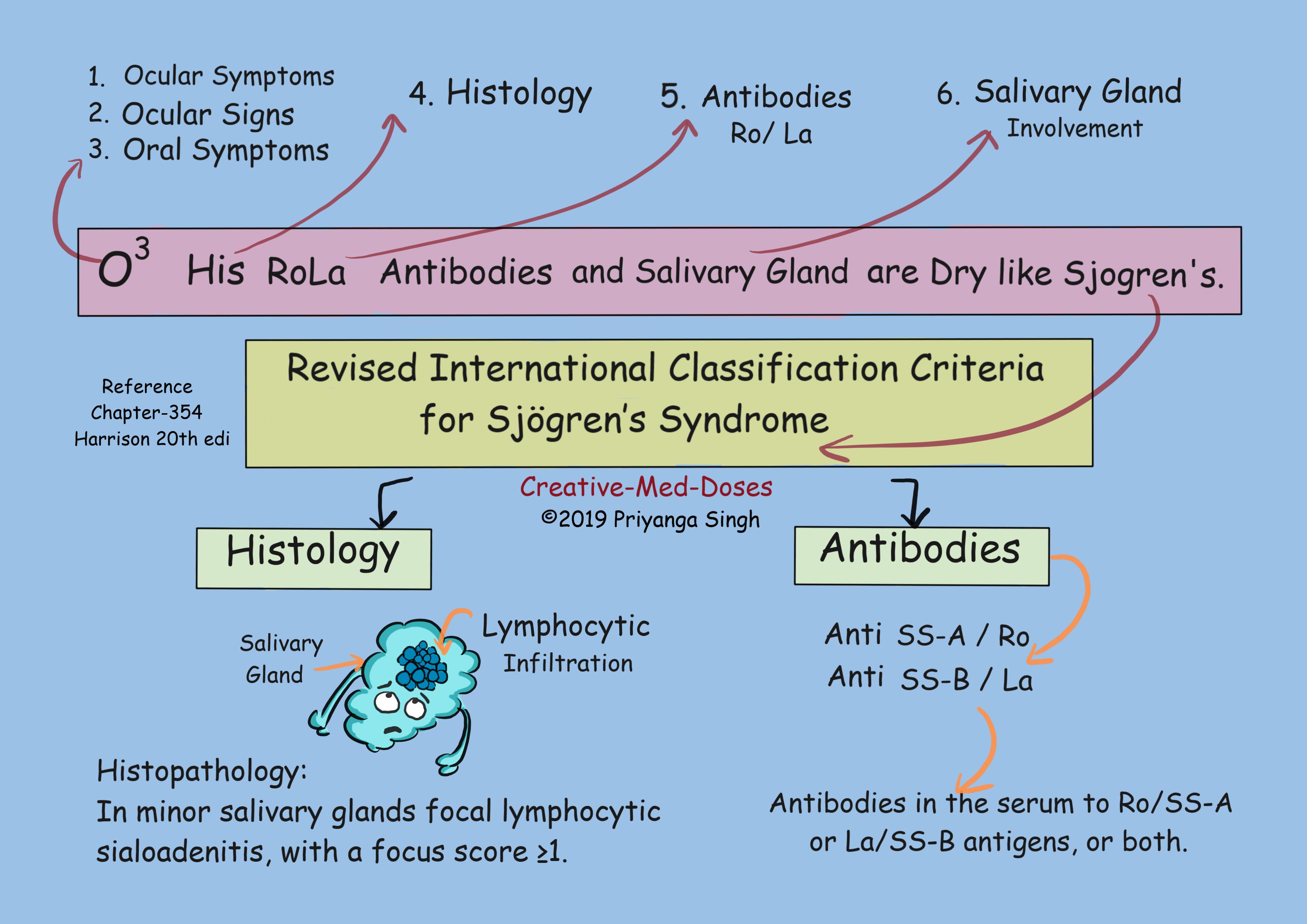
- blood tests to detect specific antibodies associated with Sjögren disease
- tests that measure eye moisture production
- tests that evaluate salivary gland function
- a sialogram, or X-ray imaging of the salivary glands
Your doctor will also review any medications or supplements you take, as some drugs can cause side effects that mimic the dryness seen in Sjögren disease.
If you’re preparing for an appointment after taking a Do I have Sjögren’s syndrome quiz, consider reviewing Questions to ask rheumatologist about Sjogren’s syndrome so you can better understand testing options, antibody results, and next steps.
What is the treatment for Sjögren disease?
Although there is currently no cure for Sjögren disease, treatment focuses on symptom relief and preventing complications. Management strategies may include:
- moisture-replacement therapies, such as artificial tears for dry eyes and topical products for dry skin
- nonsteroidal anti-inflammatory drugs (NSAIDs) to address joint pain
- immunosuppressants or corticosteroids for more severe or systemic symptoms
- disease-modifying antirheumatic drugs (DMARDs) to decrease immune system activity and reduce the risk of organ damage
Lifestyle adjustments can also support symptom control. Staying well hydrated, using a humidifier, maintaining regular dental care to prevent cavities, and protecting the eyes from wind and dry air may all help improve daily comfort. Early diagnosis and consistent follow-up care are key to minimizing long-term complications.
Are there any complications of Sjögren disease?
Sjögren disease is associated with an increased risk of lymphoma, a cancer of the lymphatic system that is closely linked to immune function.
Symptoms that may suggest lymphoma include:
- enlarged lymph nodes
- night sweats
- fever
- fatigue
- unexplained weight loss
If you experience any of these warning signs, seek medical attention promptly. Early evaluation is important for appropriate testing and management.
Frequently asked questions
What is life expectancy with Sjögren disease?
Many individuals with Sjögren disease have a typical life expectancy, particularly when symptoms are mild and well managed. However, those who develop lymphoma or serious organ involvement may have a reduced life expectancy.
What happens if Sjögren disease goes untreated?
Without treatment, Sjögren disease can significantly reduce quality of life and lead to complications such as dental cavities, nerve dysfunction, corneal ulcers, nosebleeds, swollen salivary glands, difficulty swallowing, heartburn, delayed stomach emptying, bowel problems, and kidney issues.
Appropriate treatment can ease symptoms and lower the risk of these complications.
What triggers a Sjögren disease flare up?
Certain medications that decrease bodily secretions may worsen symptoms. Emotional stress and physical strain can also contribute to flare-ups in some individuals.
What does the skin look like with Sjögren disease?
People with Sjögren disease often experience dry skin and may develop rashes.
Takeaway
Sjögren disease is an autoimmune disorder that primarily damages the glands responsible for producing tears and saliva, resulting in dry eyes and dry mouth. It can also affect the skin, joints, and internal organs.
You may have a higher likelihood of developing Sjögren disease if you already have rheumatoid arthritis or another autoimmune condition. If you’re wondering about your symptoms and considering a Do I have Sjögren’s syndrome quiz, use it as an educational tool—but follow up with a qualified healthcare professional for an accurate diagnosis.
With proper medical care, symptom-focused treatment, and regular monitoring, many people with Sjögren disease can manage their condition effectively and reduce the risk of serious complications.






















Leave a Reply
You must be logged in to post a comment.