

Severe discomfort from arthritis in the middle knuckle (the proximal interphalangeal or PIP joint) may necessitate replacement surgery, called arthroplasty. Silicone implants are the most commonly used option. They generally provide the best outcomes and often last longer than a decade.
PIP joint replacement, or PIP arthroplasty, is an operation to substitute a damaged PIP joint with an artificial implant to ease pain and improve motion. The PIP joint sits in the middle portion of the finger and enables bending and straightening.

The PIP joint is frequently affected by osteoarthritis, the most prevalent arthritis type. Osteoarthritis arises from gradual wear of a joint and impacts more than 32 million adults in the United States.
This article offers an overview of PIP joint replacement, covering the surgical procedure, benefits and risks, implant varieties, and who might be an appropriate candidate for this operation.
Who is a candidate for PIP joint arthroplasty?
If you have debilitating PIP joint pain that doesn’t respond to other treatments, a physician may suggest PIP joint surgery.
Such pain commonly results from osteoarthritis, which can also cause deformity of the joint and reduced mobility. PIP joints are also frequent pain sites for people with rheumatoid arthritis, an autoimmune disease.
PIP joints can also be injured. As noted in 2018 research, athletes sometimes neglect PIP joint injuries, which can later cause complications such as post-traumatic arthritis.
What kinds of PIP joint implants are available?
A surgeon may present one or more implant choices based on your medical background and the movement range you need for daily tasks. The objective of an implant is to restore a useful range of motion, endure long-term wear, and allow for a straightforward surgical procedure.
Silicone
Silicone is the most widely used implant material for PIP joint arthroplasty. This implant type substantially reduces pain but has been less successful at improving range of motion.
Metal
An earlier metal-plastic design was found to be unstable in long-term follow-up. Constructed from cobalt-chromium and a metal-backed polyethylene-titanium combination, this implant yielded less motion than alternatives and required revision sooner.
Pyrocarbon
Pyrocarbon (pyrolytic carbon) implants are typically made from strong graphite-based carbon. These devices can tolerate substantial stress without fracturing.
Research indicates pyrocarbon implants can reduce pain but are less dependable for restoring motion. A 5-year follow-up reported complication rates reaching 68%.
Ceramic
Ceramic implants are often coated with minerals to help prevent loosening. However, studies have shown poor outcomes, including high complication rates and persistent squeaking.
Which implant is preferred?
Overall evidence suggests silicone implants offer the best combination of improved range of motion, pain relief, and the lowest rate of reoperation.
What happens during PIP joint arthroplasty?
An orthopedic surgeon—specializing in conditions of bones, joints, ligaments, tendons, and muscles—performs PIP arthroplasty. The procedure can be done via a dorsal, volar, or lateral approach.
The dorsal approach is the most frequently used. The volar approach may offer certain benefits but is technically more challenging, according to a 2019 review. Below is a summary of each technique.
Dorsal
The dorsal approach requires an incision along the top of the finger over the joint (opposite the palm). This method preserves blood supply effectively and reduces scarring. A downside is that scars through skin, tendon, and muscle all lie along the same line.
Volar
The volar approach uses a diamond-shaped incision on the palm side of the finger. Surgeons may choose this route for certain complex fractures or dislocations.
Lateral
The lateral approach involves an incision along the finger’s side. It may be used for fractures of the condyle (the end of the finger bone) or other specific fracture patterns. The limitation is that it doesn’t expose the far side of the joint as well.
What is recovery like after surgery?
Recovery varies with the surgical approach.
After a dorsal arthroplasty, you won’t move the finger for the first 4 days. The surgeon typically provides a splint to wear for 4 to 6 weeks.
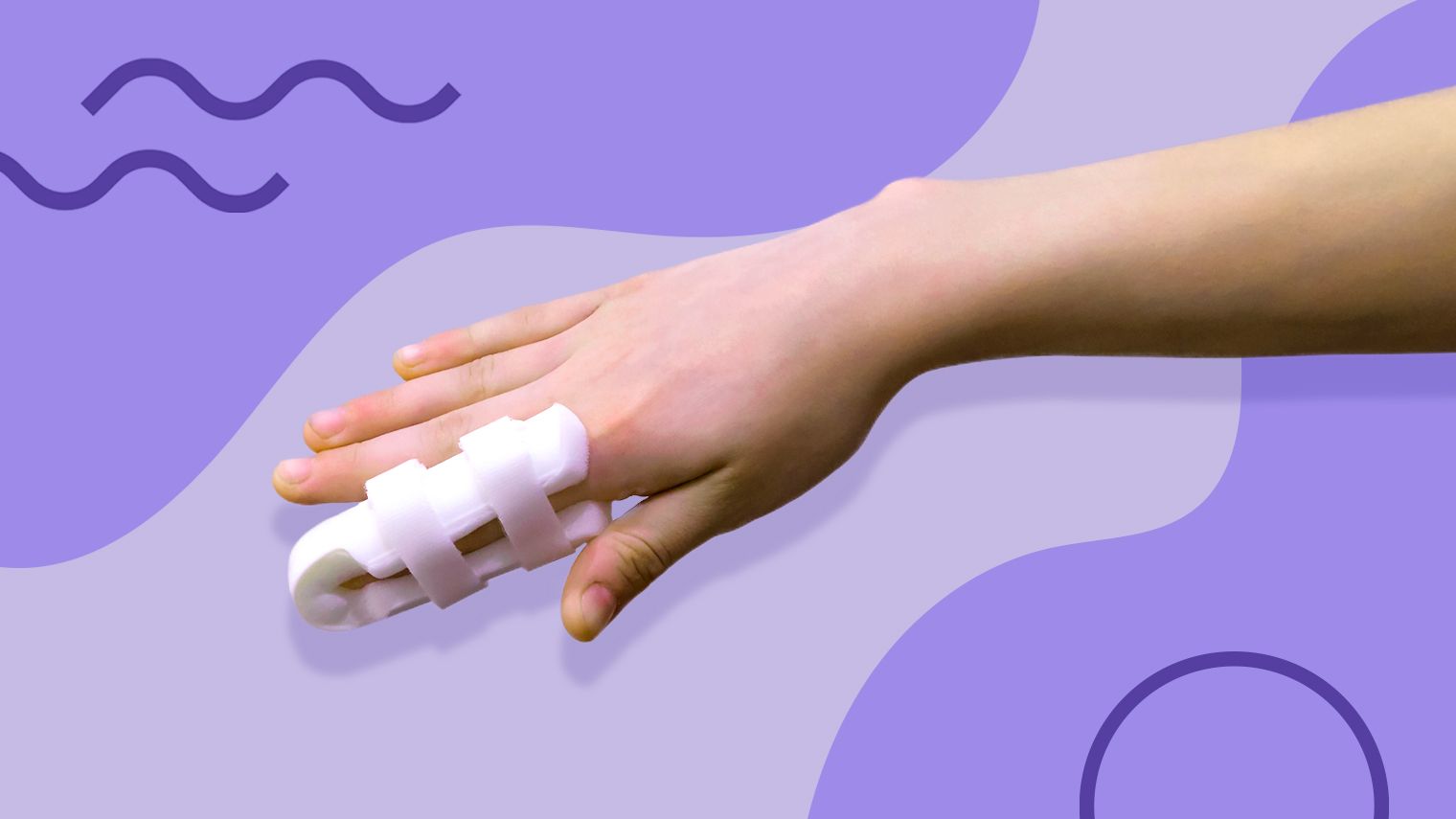
For lateral or volar arthroplasty, early motion of the finger may be allowed, though nighttime splinting is usually required for the initial weeks. The surgeon may also prescribe buddy taping to the adjacent finger for at least 2 months.
What are possible complications of PIP joint arthroplasty?
Some known risks include:
- squeaking of the implant
- implant dislocation
- joint stiffness
- implant loosening
- joint deformity
- infection
How effective is this surgery?
Silicone is the most frequently used implant and shows favorable results, according to a 2019 study. In that study, 86% of participants reported the surgery was helpful.
Pain scores are often used to measure benefit, with 10 representing the worst pain. In the 2019 research, average pain decreased from 7.4 out of 10 before surgery to 1.9 afterward.
However, not everyone attains a marked pain reduction after PIP arthroplasty. Due to the hand’s complex mechanics and its frequent use, this operation does not always yield better outcomes than nonoperative care.
A 2022 study found only about half of patients experienced a clinically meaningful pain decrease within the first year after surgery.
Frequently asked questions
Here are answers to common questions about PIP joint arthroplasty.
How long do PIP joint replacements last?
With silicone implants, 80%–90% of devices remain functional for at least 8 to 10 years. The index finger carries the highest risk of needing revision because of its prominent role in gripping.
How much does PIP joint arthroplasty cost?
With a physician’s referral, many insurance plans will cover part or all of the surgery, including the joint replacement. Medicare and Medicaid may also cover the procedure and doctor-ordered rehabilitation.
Per Medicare.gov, the typical out-of-pocket expense for PIP joint replacement ranges from $979 to $1,436 per joint, depending on facility type and secondary insurance coverage.
Who is not a good candidate for PIP joint arthroplasty?
Younger patients are often less suitable candidates because of the relatively higher revision rates associated with this operation. A surgeon can advise on the optimal choice based on your age, activity level, and the stiffness of your finger.
Takeaway
PIP joint arthroplasty replaces a joint damaged by arthritis with an artificial implant with the aim of relieving pain and restoring motion over the long term.
Depending on individual needs, a surgeon selects from several implant materials and three surgical approaches and will discuss options before the operation to achieve the best lasting result.
Recovery requires immobilization for several days and splinting for weeks to months. Physical or occupational therapy is commonly recommended to help restore hand function.



















Leave a Reply
You must be logged in to post a comment.