

Sodium is an essential mineral required for survival. However, major health organizations consistently advise that healthy adults keep sodium consumption below 2,300 mg per day — roughly equivalent to one teaspoon of salt — to help prevent conditions such as high blood pressure.
If you’ve ever wondered How many mg of salt in a salt packet, the answer matters more than you might think. A typical small restaurant salt packet contains about 300 mg of sodium, meaning just a few packets can quickly push you toward your recommended daily limit. For a more detailed breakdown in grams, see How much na is in a small paper packet in grams.
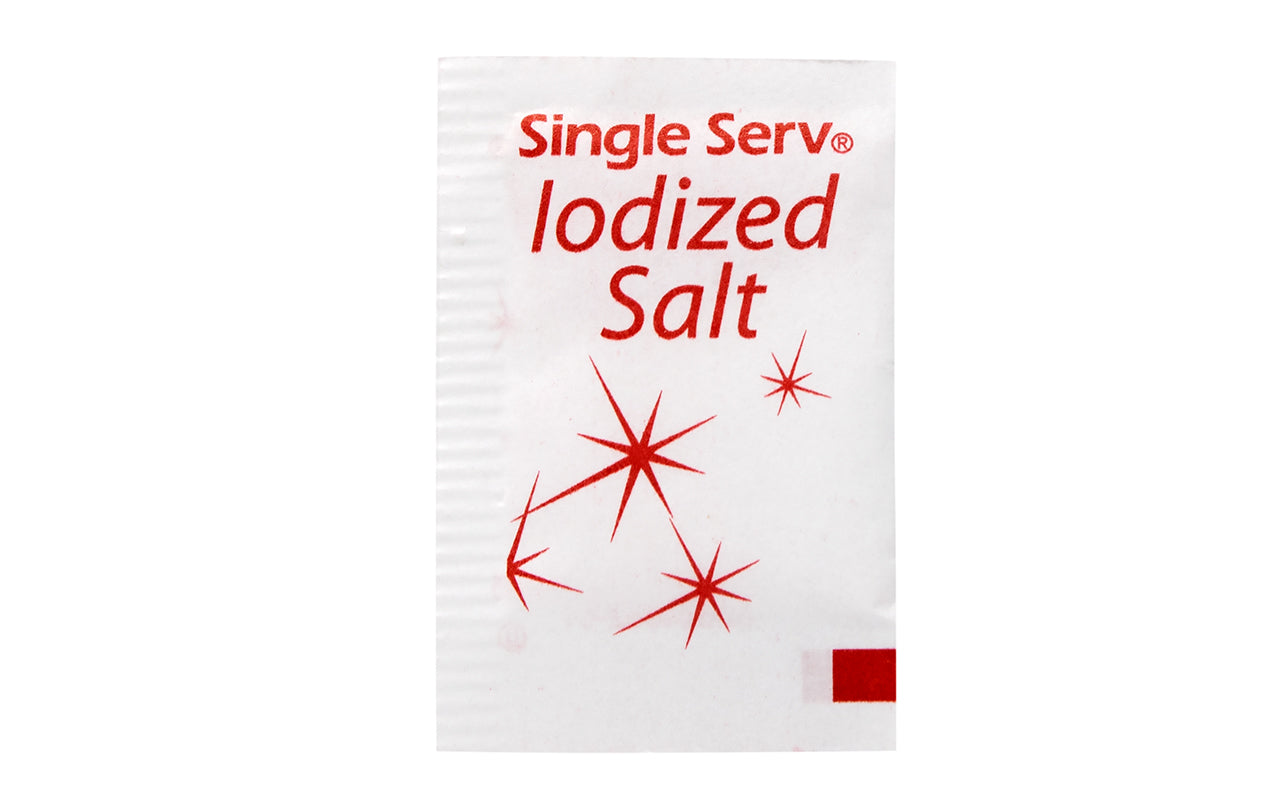
Sodium — commonly called salt — is present in almost everything you eat and drink.
It occurs naturally in various foods, is added during food manufacturing and processing, and is frequently used as a seasoning in homes and restaurants.
For decades, sodium has been associated with high blood pressure, which can damage blood vessels and arteries when persistently elevated. Over time, this damage raises the likelihood of heart disease, stroke, heart failure and kidney disease.
As a result, several health authorities have created guidelines to limit sodium intake.
Still, these recommendations remain debated, since not everyone may benefit from a low-sodium diet.
This article explores why sodium is important, the potential risks of consuming too much or too little and how much sodium you should aim for daily — including how salt packets contribute to your total intake.

Necessary for Health
Although sodium often receives negative attention, it is a vital nutrient necessary for proper bodily function.
It belongs to a group of minerals known as electrolytes, which form electrically charged ions in the body.
The primary source of sodium in most diets is added salt, chemically known as sodium chloride — composed of 40% sodium and 60% chloride by weight (1).
Because salt is widely used in processed and packaged foods, these products contribute approximately 75% of total sodium intake (1).
Most sodium in your body is found in your blood and in the fluid surrounding your cells, where it helps maintain fluid equilibrium.
In addition to supporting fluid balance, sodium is crucial for normal nerve signaling and muscle contraction.
Your kidneys regulate sodium levels by controlling how much is excreted in urine, and you also lose sodium through sweat — especially during physical activity or heat exposure.
True dietary sodium deficiency is extremely uncommon under normal conditions — even among individuals following very-low-sodium diets (2, 3).
SummarySodium is a critical nutrient for overall health. It supports nerve and muscle function and helps regulate normal fluid balance in the body.
Linked to High Blood Pressure
It has long been recognized that sodium raises blood pressure — particularly in individuals who already have elevated levels.
Most researchers trace the connection between sodium and high blood pressure back to France in 1904 (4).
However, it wasn’t until the late 1940s that the relationship gained widespread acceptance, when scientist Walter Kempner showed that a low-salt rice diet reduced blood pressure in 500 individuals with elevated readings (5).
Since then, extensive research has confirmed a strong association between excessive sodium intake and high blood pressure (6, 7, 8, 9).
One of the largest investigations on this subject is the Prospective Urban Rural Epidemiology trial, or PURE (10).
After analyzing urine sodium levels from more than 100,000 individuals across 18 countries on five continents, researchers observed that higher sodium intake was linked to significantly increased blood pressure (10).
Using the same cohort, scientists also found that people consuming more than 7 grams of sodium daily had a higher risk of heart disease and premature death compared to those consuming 3–6 grams per day (11).
That said, sodium does not affect everyone equally.
Individuals with high blood pressure, diabetes and chronic kidney disease, as well as older adults and African Americans, are generally more salt-sensitive and experience greater blood-pressure increases from sodium (12, 13).
If you are salt-sensitive, reducing sodium intake is advisable, as you may face a higher risk of blood-pressure-related heart disease (14).
SummarySodium increases blood pressure, especially in salt-sensitive individuals, raising the risk of heart disease.
Official Dietary Recommendations
For many years, public health agencies have encouraged sodium restriction to help manage blood pressure.
It is estimated that the body requires only 186 mg of sodium daily to function adequately.
However, consuming this minimal amount while meeting calorie needs and obtaining other essential nutrients would be nearly impossible.
Therefore, the Institute of Medicine (IOM) recommends that healthy adults consume 1,500 mg (1.5 grams) of sodium per day (14).
Simultaneously, the IOM, USDA and the US Department of Health and Human Services advise limiting daily sodium intake to under 2,300 mg (2.3 grams) — about one teaspoon of salt (14, 15).
This cap is based on clinical evidence indicating that sodium intake above 2,300 mg per day may negatively influence blood pressure and elevate heart disease risk.
Because sodium losses increase through sweat, these recommendations do not apply to highly active individuals such as competitive athletes or people working in hot environments.
Other organizations suggest slightly different targets.
The WHO recommends 2,000 mg (2 grams) of sodium daily, while the American Heart Association proposes a lower threshold of 1,500 mg (1.5 grams) per day (16, 17).
Currently, Americans consume significantly more sodium than recommended — averaging approximately 3,400 mg (3.4 grams) per day (15).
To put this in perspective, just learning How many mg of salt in a salt packet can highlight how quickly intake adds up when dining out or consuming packaged foods.
SummaryHealth authorities generally advise consuming 1,500–2,300 mg of sodium daily for cardiovascular health.
Dangers of Underconsumption
Some research indicates that lowering sodium intake to the currently recommended levels could potentially be harmful.
In a large review involving more than 133,000 individuals with and without high blood pressure from 49 countries across six continents, researchers assessed how sodium intake influenced heart disease and early mortality risk (20).
The findings showed that — regardless of blood pressure — people consuming less than 3,000 mg (3 grams) of sodium daily had a higher likelihood of heart disease or death compared to those consuming 4,000–5,000 mg (4–5 grams).
Moreover, those consuming under 3,000 mg per day experienced poorer health outcomes than individuals consuming 7,000 mg (7 grams).
Nevertheless, researchers also noted that individuals with high blood pressure who consumed more than 7 grams daily faced significantly greater heart disease or death risk compared to those consuming 4–5 grams.
These results suggest that both excessive and insufficient sodium intake may negatively affect health (10, 11, 20).
SummaryBoth very low and very high sodium intakes have been associated with adverse health outcomes.
Should You Limit Your Intake?
People with high blood pressure who consume more than 7 grams of sodium daily should reduce their intake.
The same guidance applies if your physician or registered dietitian has advised sodium restriction for medical reasons, such as during a low-sodium therapeutic diet.
However, for healthy individuals, lowering sodium below 3 grams per day does not appear to provide additional benefit and may even pose risks.
Research indicates that individuals consuming less than 3 grams daily face a higher risk of heart disease and early death than those consuming 4–5 grams.
This has led some experts to question whether existing sodium guidelines — ranging from 1,500 mg to 2,300 mg — may be too restrictive for the general healthy population.
Considering that only 22% of individuals across 49 countries consume more than 6 grams of sodium per day, the amount currently consumed by most healthy people is likely within a safe range (20).
SummaryIf you have high blood pressure and consume more than 7 grams daily, reducing sodium is wise. Healthy individuals likely do not need aggressive sodium restriction.
Other Ways to Control Your Blood Pressure and Improve Health
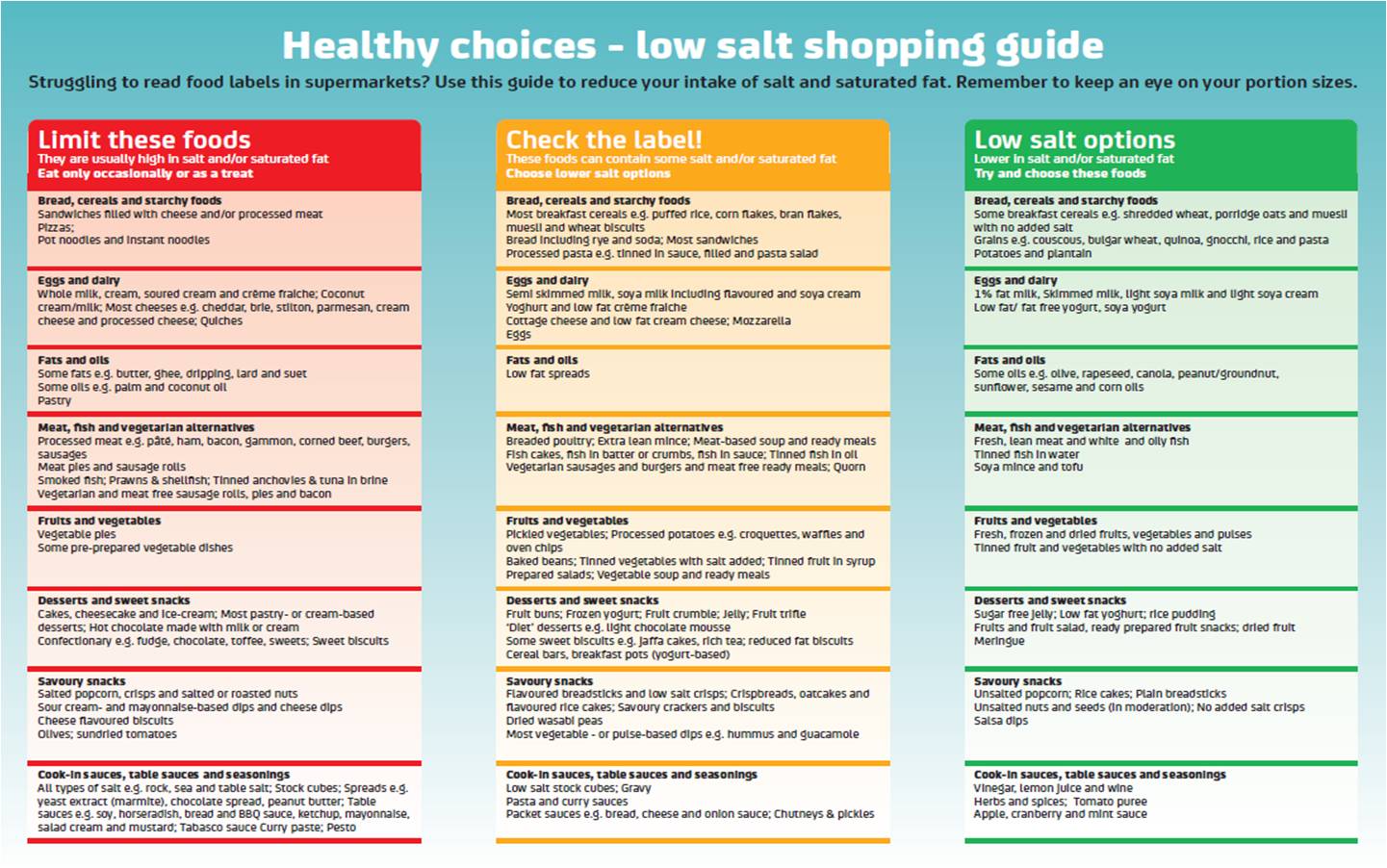
Reaching extremely low sodium targets can be challenging and may not always be necessary.
There are additional evidence-based strategies to manage blood pressure and enhance cardiovascular health beyond focusing solely on sodium intake.
Exercise
Regular physical activity is associated with numerous health benefits, including lower blood pressure (21).
A mix of aerobic exercise and resistance training is ideal, but even consistent walking can help reduce blood pressure levels (22, 23, 24, 25).
If 30 consecutive minutes feels overwhelming, break it into three 10-minute sessions throughout the day.
Eat More Fruits and Vegetables
Many individuals fall short of recommended fruit and vegetable intake.
These foods supply potassium and magnesium — minerals linked to lower blood pressure (26, 27).
Leafy greens such as lettuce, beetroot, spinach and arugula are also rich in nitrate, which boosts nitric oxide production (28, 29).
Nitric oxide relaxes and widens blood vessels, enhancing blood flow and contributing to reduced blood pressure (30).
Eat Fewer Calories
Sodium intake often correlates with calorie consumption — the more calories consumed, the more sodium is typically ingested (31).
Because many people consume more calories than necessary, reducing overall calorie intake may be the simplest way to lower sodium naturally.
Weight loss achieved through calorie reduction can also help decrease blood pressure (26, 32, 33, 34).
Limit Alcohol
Heavy alcohol consumption is strongly linked to elevated blood pressure (26, 35, 36, 37).
Women and men should limit alcohol to one and two drinks per day, respectively (38).
One standard drink equals:
- 12 ounces (355 ml) of regular beer
- 8–9 ounces (237–266 ml) of malt liquor
- 5 ounces (148 ml) of wine
- 1.5 ounces (44 ml) of distilled spirits
SummaryManaging blood pressure involves more than sodium restriction. Exercise, improved diet quality, calorie control and moderating alcohol intake are effective strategies.
The Bottom Line
Sodium is an essential nutrient required for many critical bodily functions.
Health authorities generally recommend between 1.5 and 2.3 grams of sodium daily. However, growing evidence suggests these limits may be too low for some healthy individuals.
Those with high blood pressure should avoid exceeding 7 grams per day, while healthy individuals are unlikely to need extreme sodium restriction.
If you’re concerned about your blood pressure or wondering How many mg of salt in a salt packet contributes to your total intake, remember that broader lifestyle changes — including exercise, balanced nutrition and weight management — often have a more meaningful impact on long-term health.






















Leave a Reply
You must be logged in to post a comment.