
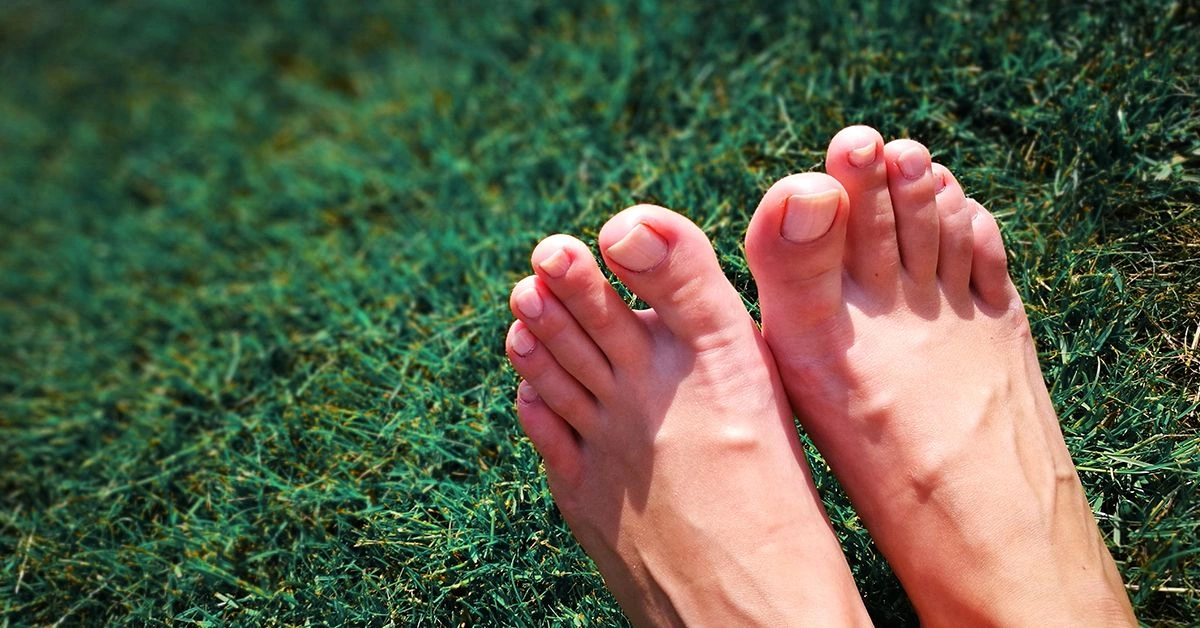
Morton’s toe is a frequently seen foot structure in which the second toe extends beyond the first (big) toe. Because this variation can influence how body weight is distributed across the foot, some individuals may develop discomfort over time. Fortunately, various home-based measures and supportive therapies can help manage symptoms.
If you’ve ever wondered, What does Morton’s toe look like? it typically appears as a second toe that is visibly longer than the big toe when standing barefoot. Also referred to as Morton’s foot syndrome, this structural trait is quite common. Many people naturally have it, while others do not.
For certain individuals, Morton’s toe can increase the likelihood of calluses forming on the sole and may contribute to other types of foot pain due to altered pressure points.
Although the names sound alike, Morton’s toe is entirely different from Morton’s neuroma, which is a separate medical condition affecting the foot.
Continue reading to better understand What does Morton’s toe look like?, what causes it, potential symptoms, available treatments, and ways to protect your foot health.
Morton’s toe appearance and causes
If you are asking yourself, What does Morton’s toe look like?, you can usually identify it by simply examining your foot. The defining feature is that the second toe projects farther forward than the big toe.
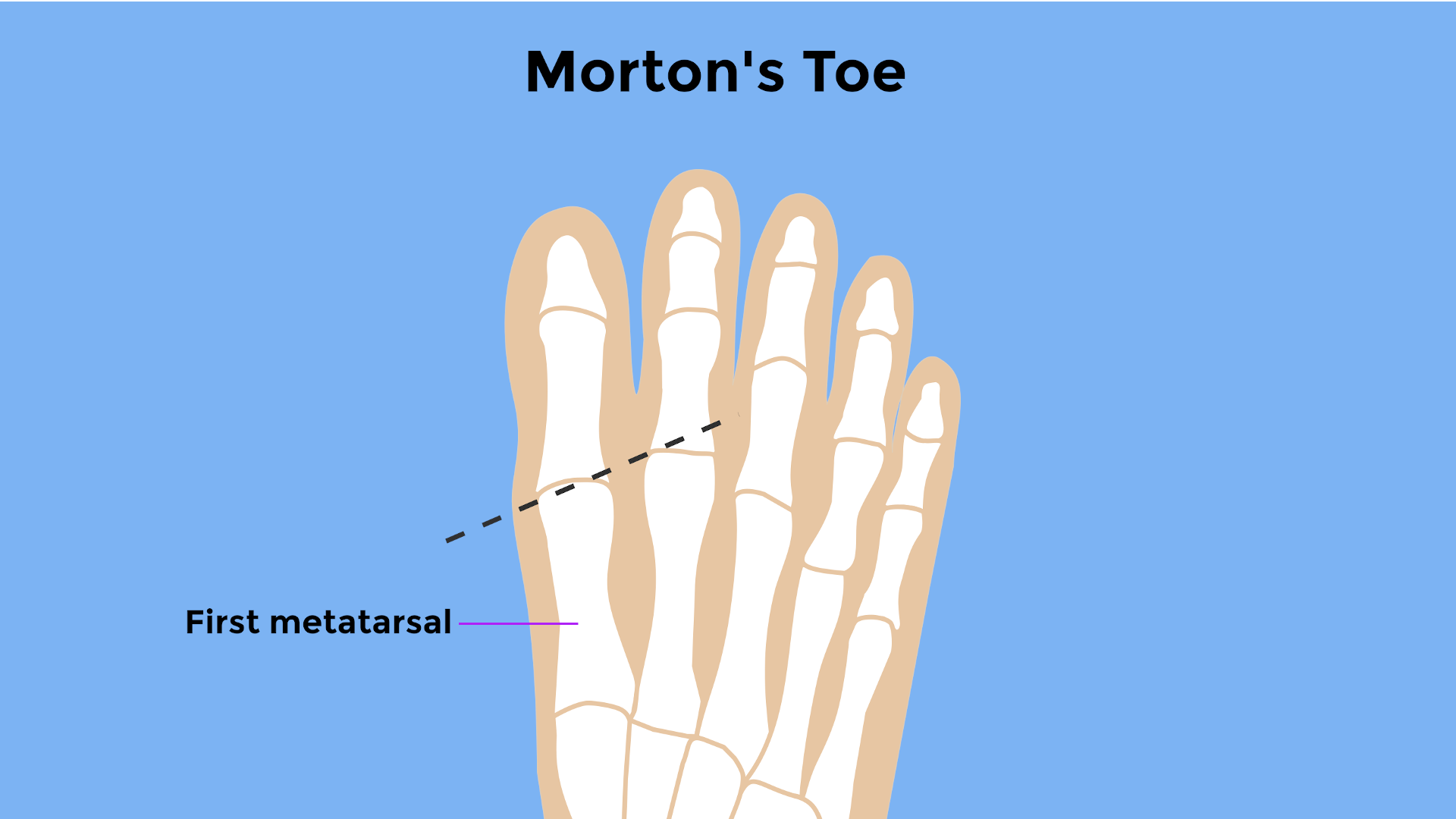
In individuals with Morton’s toe, the first metatarsal is shorter than the second metatarsal. This difference in bone length creates the visual impression that the second toe is longer than the first.
The metatarsals are the elongated bones that link your toes to the rear portion of your foot. They arch upward to help form the natural curve of your foot, with the first metatarsal being the thickest and typically bearing a significant portion of body weight.
When the first metatarsal is comparatively shorter, extra pressure may shift onto the narrower second metatarsal bone. Over time, this redistribution of weight can affect foot mechanics and contribute to discomfort.
This anatomical variation is common and may be present in up to 30% of people, although the precise prevalence of Morton’s toe is not definitively established.
Like most aspects of skeletal structure, Morton’s toe is hereditary and influenced by genetics. It is not caused by footwear or lifestyle habits, though those factors can influence symptoms.

Pain with Morton’s toe
Because Morton’s toe is related to the structural alignment of the foot, some people eventually notice aching or soreness, particularly after long periods of standing, walking, or engaging in high-impact activities.
The discomfort is linked to how weight is distributed across the foot, especially between the first and second metatarsals. Excess load on the second metatarsal can lead to inflammation, tenderness in the ball of the foot, and thickened skin such as calluses.
In some cases, abnormal pressure patterns may also contribute to other toe alignment concerns. For example, changes in foot biomechanics are sometimes associated with conditions explored in Why is my big toe bent sideways, as altered weight-bearing can gradually influence joint positioning.
Treatments for Morton’s toe pain
If Morton’s toe is causing pain, a doctor may initially suggest placing a pad beneath the big toe and first metatarsal. This adjustment helps redistribute pressure so that the big toe bears more weight, relieving strain on the second metatarsal.
Over-the-counter pain relief medications can also help manage toe pain and reduce inflammation. In addition, custom orthotics or supportive insoles may provide cushioning and improve overall foot alignment.
If conservative measures do not provide adequate relief, a doctor might discuss surgical options. One procedure involves removing a small portion of bone from one or two joints to shorten the second toe. In selected cases, surgery to lengthen the first toe using an implant may also be considered, depending on individual anatomy and severity.
When toe misalignment coexists with other structural issues, exploring resources such as How to fix sideways big toe? may provide additional insight into comprehensive foot care strategies.
Taking care of your feet
Adopting healthy foot care habits may lower the risk of discomfort associated with Morton’s toe. General recommendations include:
- choosing comfortable shoes with a roomy toe box and cushioned sole
- avoiding footwear with narrow or pointed toe areas that crowd the toes
- performing gentle stretching exercises to maintain flexibility
- limiting prolonged standing when possible
- resting your feet regularly, especially after extended activity
Maintaining a healthy body weight and alternating footwear styles can also reduce repetitive stress on the metatarsals. Consulting a doctor or podiatrist can provide personalized advice and specific strengthening or mobility exercises tailored to your foot structure.
Complications of Morton’s toe
Morton’s toe may contribute to several complications, such as:
- increased risk of stress fractures in the second metatarsal
- increased risk of diabetic ulcers in the second metatarsal
- displacement of bones in the big toe
- overpronation
- metatarsalgia
Early recognition of symptoms and timely intervention can help minimize these risks. A healthcare professional can evaluate your gait, recommend imaging if necessary, and guide you toward treatments that reduce excessive pressure on vulnerable areas of the foot.
Morton’s toe and Morton’s neuroma
Morton’s toe should not be confused with Morton’s neuroma, also known as Morton’s metatarsalgia. Despite the similarity in names, they are distinct conditions named after two different medical professionals.
Morton’s toe is named after the orthopedist Dudley Joy Morton, who first described the condition as “metatarsus atavicu” in 1927.
Morton’s neuroma, on the other hand, is named after the physician Thomas George Morton, who documented the disorder in 1876.
Morton’s neuroma is a painful condition affecting the ball of the foot, caused by thickening of the tissue surrounding a nerve. Unlike Morton’s toe, it is not simply a structural variation but a nerve-related disorder.
The bottom line
Morton’s toe is a natural foot shape in which the second toe appears longer than the first (big) toe due to differences in metatarsal length.
While many people experience no symptoms, some may develop pain because of altered weight distribution. Conservative treatments, such as using a flexible pad under the toes, taking pain relief medication, wearing supportive footwear, and using orthotics, can often ease discomfort.
In more severe or persistent cases, surgical procedures to shorten the second toe or lengthen the first toe may be discussed. If you are concerned about symptoms or wondering again, What does Morton’s toe look like? in your own case, a medical evaluation can provide clarity and personalized guidance.





















Leave a Reply
You must be logged in to post a comment.