

Overview
Your tongue is a strong muscle covered by pink tissue known as mucosa and tiny projections called papillae, which contain thousands of taste buds. Although many people rarely examine it closely, the color and texture of your tongue can offer meaningful clues about your overall health.
If you’ve ever wondered, Are dark veins under tongue normal, you’re not alone. In many cases, visible veins beneath the tongue are harmless and related to normal anatomy or aging. You can explore visual examples in these Pictures of veins under tongue to better understand typical variations. However, changes in tongue color — such as a purple or bluish tint — may sometimes indicate an underlying health concern.
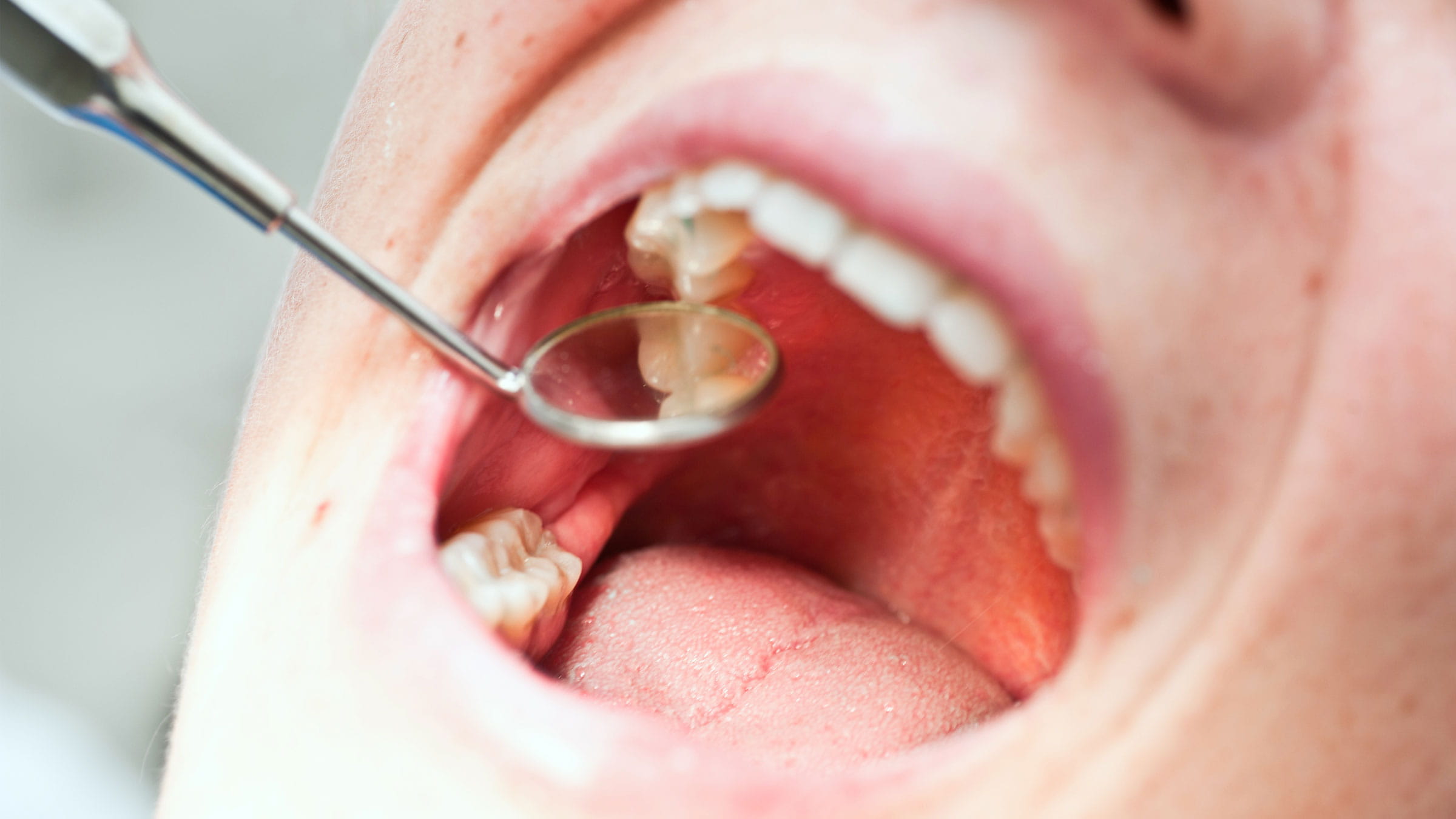
While certain foods, beverages, and chewing tobacco can temporarily stain the tongue, bacterial buildup and specific medical conditions may also alter its appearance. Paying attention to persistent or unexplained discoloration is important.
A purple tongue or one with a bluish hue may signal a health issue ranging from a vitamin deficiency to an adrenal gland problem. In some instances, it can reflect insufficient oxygen in the blood, which constitutes a medical emergency and requires immediate attention.
Causes of a purple tongue
The most frequent cause of a purple tongue is staining from particular foods and drinks. Items that may temporarily turn your tongue purple include:
- certain juices or beverages, such as grape juice
- blueberries
- beets, including beet juice and beet chips
- purple or blue popsicles, or frozen treats
- colored frosting or icing
- colored candy

If you haven’t consumed anything that could account for the discoloration, several health-related factors may cause your tongue to appear purple or blue.
Blood circulation problems
A purple or bluish tongue can indicate that your blood is not supplying adequate oxygen to your body’s tissues. It may also suggest that oxygen-depleted blood — which is dark red rather than bright red — is circulating through your arteries.
This bluish discoloration is known as cyanosis. Cyanosis may result from conditions affecting the lungs or heart, including coronary artery disease or chronic obstructive pulmonary disease (COPD). When cyanosis occurs, the bluish tint may appear not only on the tongue but also on the lips, fingertips, or skin.
Your tongue can also turn blue or purple due to oxygen deprivation caused by an airway obstruction. In such situations, this is a medical emergency.
Call 911 and seek immediate medical care if tongue discoloration appears suddenly or is accompanied by:
- gasping for breath
- breathing difficulties
- chest pain
- dizziness or fainting
Vitamin B-2 deficiency
Vitamin B-2 — also known as riboflavin — is a water-soluble vitamin essential for energy production and cellular function. Good dietary sources include milk and dairy products, meat, fish, and certain fruits and vegetables.
Vitamin B-2 deficiency is relatively uncommon in Western countries. When it does develop, it has been associated with multiple health problems, including anemia. This condition can impact your mucus membranes, including the tongue, leading to swelling and color changes.
In addition to anemia and a purplish tongue, other signs and symptoms of a vitamin B-2 deficiency may include:
- fatigue
- mouth sores
- cracked lips
- mood changes
- skin inflammation
Addressing the deficiency through dietary improvements or supplementation under medical supervision often resolves these symptoms.
Bacteria
According to a 2017 study, more than 25,000 types of bacteria reside on your tongue and throughout your mouth. Not all bacteria are harmful; in fact, many play a crucial role in maintaining oral health.
However, an overgrowth of certain bacteria can lead to tongue discoloration. More commonly, this presents as a white coating rather than a purple hue, but color changes are possible depending on contributing factors.
Gently brushing your tongue with a toothbrush or using a tongue scraper can help remove this harmless coating and reduce the buildup of bacteria, dead cells, and debris. Maintaining consistent oral hygiene practices is essential for preventing recurrent discoloration.
Consult your dentist if you experience persistent tongue coating, unusual discoloration, discomfort, or pain.
Varicose veins
Sublingual varices are varicose veins that develop under the tongue. They typically appear purple or blue and are visible along the underside and lateral edges of the tongue. These veins often become more noticeable with advancing age.
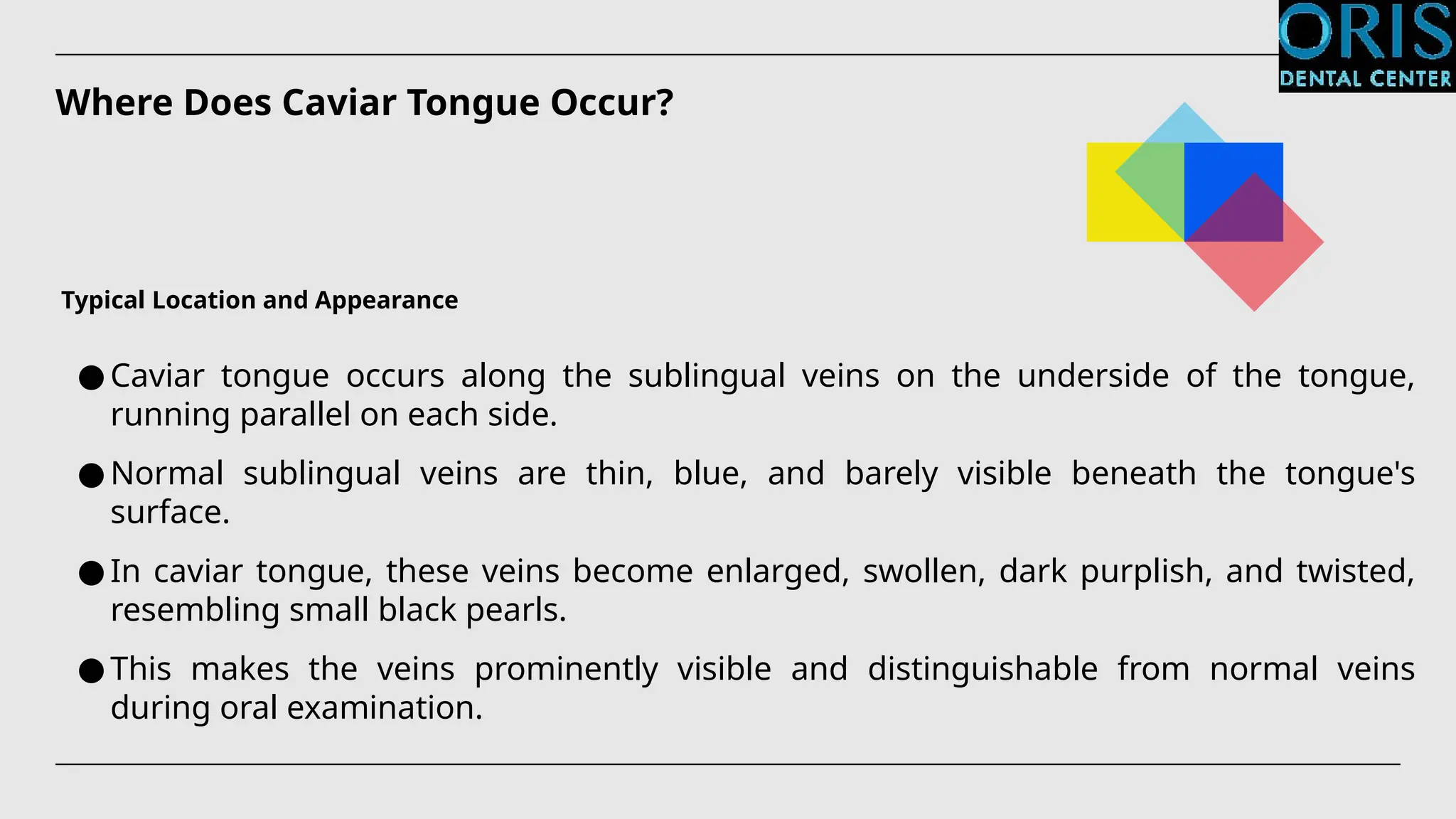
If you’re asking, Are dark veins under tongue normal, sublingual varices are a common explanation. In most cases, they are benign and do not require treatment. For reassurance, reviewing Pictures of veins under tongue can help you distinguish normal vascular patterns from concerning changes.
Although generally harmless, sublingual varices may be associated with high blood pressure, according to a 2014 study. If you notice new or worsening vein prominence along with other symptoms, it’s wise to discuss this with your healthcare provider.
Addison’s disease
Also referred to as adrenal insufficiency, Addison’s disease occurs when your adrenal glands fail to produce adequate amounts of certain hormones, including cortisol or aldosterone.
Symptoms usually progress gradually and may include a purple tongue, although brown or tan patches are more frequently observed. A 2014 case report describing a person with a bluish tongue suggests that Addison’s disease can occasionally cause alternative tongue discolorations.
Additional signs and symptoms of Addison’s disease may include:
- darkening of the skin
- extreme fatigue
- weight loss
Because this condition affects hormone production, early diagnosis and ongoing medical management are essential.
Certain medications
Medications containing bismuth, such as Pepto-Bismol, may cause tongue discoloration that appears dark purple or even black. They can also result in dark stools. This side effect is generally temporary and resolves within a few days after discontinuing the medication.
Tumors
Hemangioma is a noncancerous tumor composed of dilated blood vessels. Although relatively rare, it can develop in the oral cavity, including on the tongue.
It typically causes a purple swelling that resembles a raised bruise or a purplish bump. Any new or unusual growth in the mouth should be professionally evaluated to determine its nature.
Is it cancer?
Any new growth or persistent discoloration on your tongue should be assessed by a dentist or healthcare provider. A biopsy may be necessary to properly diagnose lesions and exclude oral cancer.
The Oral Cancer Foundation advises having any lump, sore, or discoloration that does not heal within 14 days examined by a qualified professional.
Other symptoms of oral cancer may include:
- pain
- trouble chewing, swallowing, or speaking
- hoarseness
- swollen lymph nodes in the neck
- a persistent earache
Early detection significantly improves outcomes, so prompt evaluation is important.
When to see a doctor
Tongue discoloration that cannot be explained by something you’ve eaten or drunk should be discussed with a healthcare professional. While many cases are harmless, especially when related to visible veins or temporary staining, unexplained color changes warrant medical advice.
Seek emergency medical care if your tongue suddenly turns purple or blue and is accompanied by:
- chest pain
- profuse sweating
- difficulty breathing
- choking
- dizziness
- low blood pressure
- loss of consciousness
Treatment depends entirely on the underlying cause of the discoloration, making an accurate diagnosis essential.
Summary
Tongue color changes can result from a wide range of causes, from harmless dietary staining to significant medical conditions. Foods such as blueberries or beets are the most common reasons for a temporary purple tongue.
If you’re concerned and wondering, Are dark veins under tongue normal, remember that visible veins — particularly sublingual varices — are often a normal finding, especially with aging. However, if discoloration cannot be linked to something you’ve consumed or if you notice additional symptoms, consult your dentist or doctor for proper evaluation and peace of mind.























Leave a Reply
You must be logged in to post a comment.