
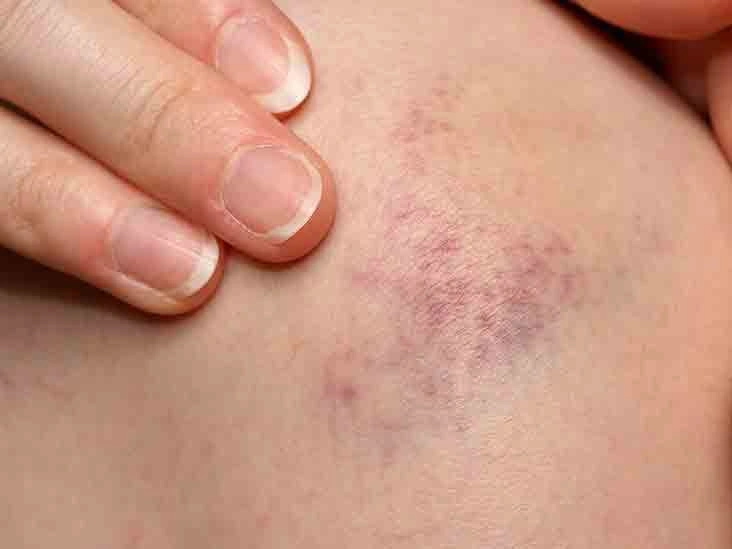
When a blood vessel ruptures, a small volume of blood leaks out into the surrounding tissues. This escaped blood can become visible just under the surface of the skin. Blood vessels may break for a variety of reasons, though it most commonly occurs due to some type of trauma or injury.
Bleeding beneath the skin may appear as tiny pinpoint spots known as petechiae or as broader, flat discolorations called purpura. Certain birthmarks are sometimes mistaken for this type of bleeding. Typically, when you press on normal skin, it turns pale and then regains its usual color once pressure is released. However, with bleeding into the skin, the area does not blanch (turn pale) when pressed.
Many people researching skin discoloration—especially those wondering How to get rid of cupping marks on back—may confuse therapeutic marks with signs of bleeding under the skin. While cupping therapy intentionally creates temporary discoloration due to suction, spontaneous bleeding into the skin without therapy or injury should always be evaluated carefully. Understanding the difference is important for proper care and peace of mind.


In many cases, bleeding under the skin is the result of a minor incident, such as bumping into something and developing a bruise. The discoloration may be as small as a pinhead or as large as an adult hand. However, unexplained bleeding into the skin can sometimes signal a more serious underlying medical issue. You should always consult a doctor if you notice skin bleeding that is not clearly related to an injury.
What causes bleeding into the skin?
Frequent causes of bleeding beneath the skin include:
- injury
- allergic reaction
- infections of the blood
- autoimmune disorders
- birth
- bruises
- medication side effects
- chemotherapy side effects
- radiation side effects
- normal process of aging
As we age, blood vessels naturally become more fragile, making bruising and minor bleeding more common. In addition, certain medications can affect clotting function, increasing the likelihood of visible skin discoloration.
Specific infections and diseases that may lead to bleeding under the skin include:
- meningitis, an inflammation of the membranes covering the brain and spinal cord
- leukemia, a cancer of the blood cells
- strep throat, a bacterial infection that causes a sore throat
- sepsis, a body-wide inflammatory response to bacterial infection
If you notice any of the following symptoms, seek immediate medical attention:
- pain in the area of bleeding
- significant bleeding from an open wound
- a lump over the bleeding into the skin
- darkening of the skin affected
- swelling in the extremities
- bleeding gums, nose, urine, or stool
Although some people look for advice on How to get rid of cupping marks on back after therapeutic cupping, spontaneous or painful bleeding that appears without suction therapy should never be ignored. Proper evaluation ensures that potentially serious causes are ruled out early.
How a doctor determines the cause of bleeding into the skin
If you develop bleeding into the skin without an obvious reason or if it fails to resolve, contact your doctor promptly—even if the area is not painful.
Doctors can usually recognize bleeding under the skin through a physical examination. However, identifying the root cause requires a detailed medical history. After reviewing your background, your doctor may ask questions such as:
- When did you first notice the bleeding?
- Do you have any other symptoms?
- When did these symptoms begin?
- Do you play any contact sports or use heavy machinery?
- Have you recently injured the affected area?
- Does the area of bleeding hurt?
- Does the area itch?
- Do you have a family history of bleeding disorders?
Your doctor will also ask whether you have any existing medical conditions or are currently receiving treatment. It is important to disclose all medications and herbal supplements you take. Drugs such as aspirin, steroids, or blood thinners can contribute to bleeding into the skin. Providing complete and accurate information helps your doctor determine whether the discoloration is a medication side effect or related to an underlying disorder.
Laboratory testing, including blood or urine tests, may be ordered to check for infection or other health concerns. If needed, imaging studies such as an imaging scan or ultrasound may be performed to detect fractures, internal injuries, or soft tissue damage.
Treatments for bleeding into the skin
Treatment options for bleeding into the skin vary depending on the underlying cause. Your doctor will recommend the most appropriate approach based on your diagnosis.
If an infection or medical condition is responsible, prescription medication may be provided to address the root problem. In many cases, treating the underlying issue is sufficient to stop the bleeding. If a medication is contributing to the condition, your doctor may suggest adjusting the dose, switching drugs, or discontinuing the current medication under supervision.
After treatment, contact your doctor right away if bleeding into the skin returns or worsens. Recurrent symptoms may require further evaluation.
Home treatments
When bleeding under the skin is caused by a minor injury, home care strategies can support recovery and reduce discomfort.
- elevate the injured limb, if possible
- ice the injured area for 10 minutes at a time
- use acetaminophen or ibuprofen for pain relief
Avoid applying excessive pressure or massage to the area, as this can worsen bleeding beneath the skin. Allow time for natural healing, which typically occurs as the body gradually reabsorbs the trapped blood.
If you are specifically searching for How to get rid of cupping marks on back, remember that cupping discoloration is generally temporary and differs from injury-related bleeding. For detailed guidance on speeding up recovery after cupping therapy, you can read How to get rid of cupping marks fast. If marks appear in more delicate areas, such as the face, see How to remove cupping marks on face for targeted advice.
Schedule an appointment with your doctor if your injury does not show signs of improvement within a reasonable timeframe, or if new symptoms develop.
Outlook for bleeding into the skin
Bleeding into the skin resulting from minor trauma usually resolves on its own without medical intervention. However, unexplained or persistent bleeding should always be assessed by a healthcare professional, as it may indicate a more serious medical condition.
Prompt diagnosis and appropriate management are key to ensuring optimal outcomes and protecting your overall health.




















Leave a Reply
You must be logged in to post a comment.