
Highlights for apixaban
- Apixaban oral tablet is available as a brand-name medication only. There isn’t a generic version. Brand name: Eliquis.
- Apixaban comes solely as a tablet taken by mouth.
- Apixaban is prescribed to treat and prevent blood clots, including deep vein thrombosis and pulmonary embolism. It also reduces the risk of stroke in people with atrial fibrillation who do not have an artificial heart valve.
Important warnings
If you’re researching Apixaban tooth extraction nhs guidance, it’s essential to understand the key safety warnings linked to this medication—especially before any medical or dental procedure.
FDA warnings
- This medication carries black box warnings. These are the most serious alerts issued by the Food and Drug Administration (FDA). Black box warnings inform doctors and patients about potentially dangerous drug effects.
- Stopping treatment early warning: Do not discontinue this medication without first consulting your doctor. Stopping apixaban increases your risk of stroke and blood clots. The drug may need to be paused before surgery or a medical or dental procedure. Your doctor will provide instructions on when to stop and when to restart it. During this interruption, another medication may be prescribed to help prevent blood clots. This is particularly relevant for patients seeking advice about dental procedures and reviewing resources such as When to stop Eliquis before tooth extraction.
- Spinal or epidural blood clot risk warning: If you take this drug and receive another medication injected into your spine, or undergo a spinal puncture, you may be at risk of a serious blood clot. A spinal or epidural blood clot can result in paralysis. Your risk increases if an epidural catheter is placed in your back to deliver medication, if you take nonsteroidal anti-inflammatory drugs (NSAIDs) or anticoagulants, if you’ve had repeated or difficult spinal punctures, spinal problems, or prior spinal surgery. Your doctor will monitor you for symptoms of spinal or epidural blood clots. Notify your doctor immediately if you experience tingling, numbness, muscle weakness (particularly in your legs and feet), or loss of bladder or bowel control.
Other warnings
- Bleeding risk warning: This drug raises your risk of bleeding, which can be severe or even fatal. As a blood thinner, apixaban reduces clot formation in your body. Seek immediate medical help if you experience signs of serious bleeding. If necessary, a healthcare professional can provide treatment to reverse the blood-thinning effects of apixaban.
- Symptoms of bleeding to monitor include: unexpected bleeding or bleeding that persists, frequent nosebleeds, unusual gum bleeding, heavier-than-normal menstrual bleeding, other vaginal bleeding, severe or uncontrollable bleeding, red-, pink-, or brown-colored urine, bright red or black tarry stools, coughing up blood or blood clots, vomiting blood or vomit that resembles coffee grounds, headaches, dizziness, weakness, pain, swelling, or new drainage from wounds.
- Artificial heart valve warning: Do not use this medication if you have an artificial heart valve. It is not known whether it will be effective or safe in this situation.
- Medical or dental procedure risk warning: You may need to temporarily stop taking this drug before undergoing surgery or a medical or dental procedure. Your doctor will advise you on when to stop and restart treatment. While paused, another drug may be prescribed to prevent clot formation. This is particularly important in the context of Apixaban tooth extraction nhs recommendations.
- Antiphospholipid syndrome (APS) warning: If you have triple-positive APS, this medication may increase your risk of blood clots. You should not take this drug if you have APS.

What is apixaban?
Apixaban is a prescription medication available as an oral tablet.
It is sold under the brand name Eliquis and does not have a generic version.
Why it’s used
Apixaban is prescribed to:
- reduce the risk of blood clots and stroke in people with atrial fibrillation without an artificial heart valve
- prevent deep vein thrombosis (blood clot in the legs) or pulmonary embolism (blood clot in the lungs) after hip or knee replacement surgery
- prevent recurrence of deep vein thrombosis (DVT) or pulmonary embolism (PE) in people with a history of DVT or PE
- treat DVT or PE
How it works
Apixaban belongs to a group of medications called anticoagulants, specifically factor Xa blockers. Drugs within this class act in similar ways and are often used for related conditions.
This medication functions as a blood thinner by preventing clots from forming. It works by blocking factor Xa, which reduces the amount of thrombin in your bloodstream. Thrombin helps platelets stick together to form clots. By lowering thrombin levels, apixaban reduces the likelihood of a clot (thrombus) developing in your body.
Apixaban side effects
Apixaban oral tablet does not cause drowsiness, but it may lead to other side effects.
More common side effects
Common side effects associated with apixaban include:
- Bleeding. Symptoms may involve: nosebleeds, easy bruising, heavy menstrual bleeding, or bleeding gums when brushing teeth
Mild side effects may resolve within a few days to weeks. If they persist or worsen, consult your doctor or pharmacist.
Serious side effects
Contact your doctor immediately if you develop serious side effects. Call 911 if your symptoms feel life-threatening or you believe you’re experiencing a medical emergency. Serious side effects may include:
- Severe bleeding. This can be fatal. Symptoms may include prolonged or unexpected bleeding (including unusual gum bleeding, frequent nosebleeds, or heavy menstrual bleeding), severe or uncontrollable bleeding, red-, pink-, or brown-colored urine, red or black tarry stools, coughing up blood or clots, vomiting blood or material that resembles coffee grounds, unexplained pain or swelling, headaches, dizziness, or weakness.
- Spinal or epidural blood clots. Taking apixaban along with spinal injections or undergoing a spinal puncture increases this risk. This may result in permanent paralysis. Symptoms can include tingling, numbness, muscle weakness in the legs and feet, or loss of bladder or bowel control.
Disclaimer: Our goal is to provide accurate and up-to-date information. However, because medications affect individuals differently, we cannot guarantee this includes all possible side effects. This content is not a substitute for medical advice. Always discuss side effects with a qualified healthcare provider.
Apixaban may interact with other medications
Apixaban oral tablet can interact with other drugs, vitamins, or herbal supplements. An interaction occurs when a substance alters how a drug works. This may reduce effectiveness or increase harmful effects.
To minimize interaction risks, your doctor should carefully manage all medications you take. Inform your doctor about all prescription drugs, over-the-counter medications, vitamins, and herbal products you use.
Anticoagulant or antiplatelet drugs
Taking apixaban with other drugs in the same class heightens your bleeding risk. Examples include:
- warfarin
- heparin
- aspirin
- clopidogrel
- nonsteroidal anti-inflammatory drugs (NSAIDs), such as ibuprofen or naproxen
Drugs that inhibit CYP3A4 and P-glycoprotein
Apixaban is metabolized by liver enzymes (CYP3A4) and gut transporters (P-gp). Drugs that inhibit these pathways increase apixaban levels in the body, raising bleeding risk. Your doctor may adjust your dose or recommend an alternative.
Examples include:
- ketoconazole
- itraconazole
- ritonavir
Drugs that induce CYP3A4 and P-glycoprotein
Medications that increase CYP3A4 and P-gp activity lower apixaban levels, increasing the risk of stroke or clotting events. You shouldn’t take apixaban with these medications.
Examples include:
- rifampin
- carbamazepine
- phenytoin
- St. John’s wort
Disclaimer: We aim to provide comprehensive and current information. However, drug interactions vary by individual. Always consult your healthcare provider about potential interactions.
Apixaban warnings
This medication includes several important warnings.
Allergy warning
Apixaban can cause a severe allergic reaction. Symptoms may include:
- chest pain or tightness
- swelling of the face or tongue
- difficulty breathing or wheezing
- dizziness or fainting
If you experience an allergic reaction, contact your doctor or local poison control center immediately. If symptoms are severe, call 911 or go to the nearest emergency room.
Do not take this medication again if you’ve previously had an allergic reaction to it. Re-exposure could be fatal.
Warnings for people with certain health conditions
For people with liver problems: If you have severe liver disease, you should not take this drug. Impaired liver function may cause the medication to remain in your body longer, increasing side effect risk.
For people with kidney problems: Severe kidney disease may require a lower dose. Reduced kidney function can cause higher drug levels in your body.
For people with antiphospholipid syndrome (APS): This medication may increase clot risk, especially in triple-positive APS. You should not use this drug if you have APS.
For people with active bleeding: If you are currently bleeding, do not take this medication. It may worsen bleeding and increase the risk of serious complications.
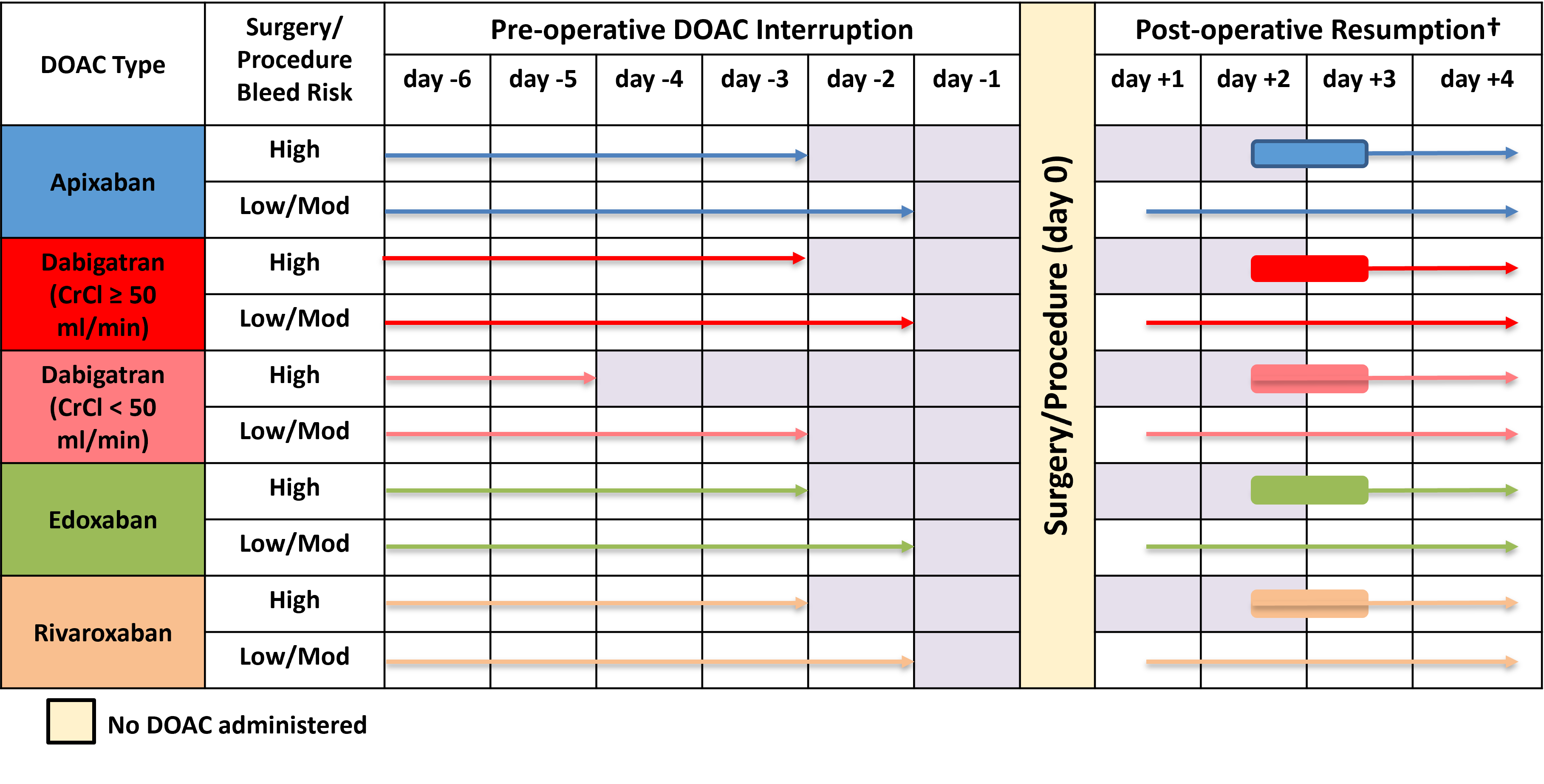
For people having surgery: Inform your doctor or dentist if you’re taking apixaban. Treatment may need to be paused temporarily, particularly for procedures such as tooth extraction under NHS guidance involving Apixaban tooth extraction nhs considerations.
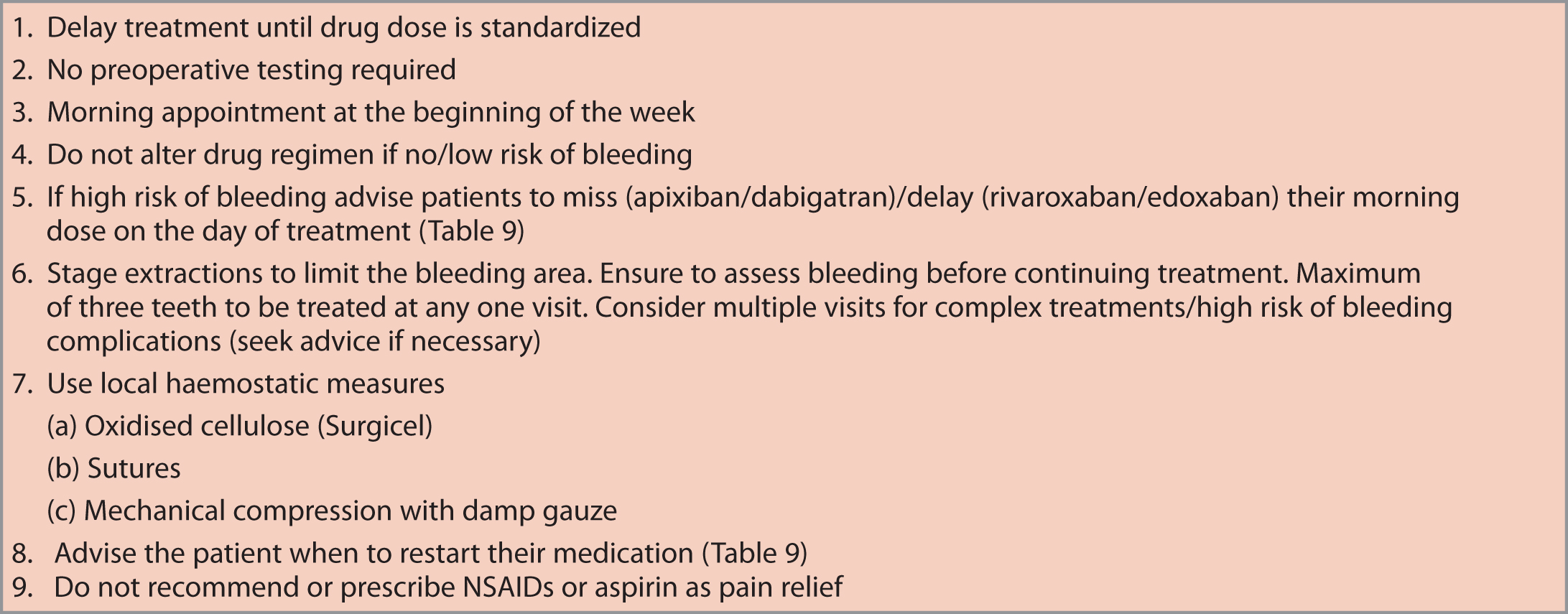
- For procedures with moderate or high bleeding risk, stop apixaban at least 48 hours before.
- For procedures with low bleeding risk, stop at least 24 hours before.
When to call the doctor
- Contact your doctor immediately if you fall or injure yourself, especially if you hit your head, as internal bleeding may occur.
How to take apixaban
Not all possible dosages and forms are listed here. Your prescribed dose depends on your age, condition, severity, other medical issues, and response to treatment.
Drug form and strengths
Brand: Eliquis
- Form: oral tablet
- Strengths: 2.5 mg and 5 mg
Dosage to reduce the risk of stroke and blood clots in people with atrial fibrillation
Adult dosage (ages 18–79 years)
The usual dose is 5 mg taken twice daily.
Child dosage (ages 0–17 years)
Safety and effectiveness have not been established.
Senior dosage (ages 80 years and older)
If you have severe kidney problems or weigh 132 pounds (60 kg) or less, your doctor may reduce your dose.
Dosage to reduce the risk of blood clots after hip or knee replacement surgery
Adult dosage (18 years and older)
- Typical dose: 2.5 mg twice daily.
- First dose: 12 to 24 hours after surgery.
- Hip surgery: 35 days of treatment.
- Knee surgery: 12 days of treatment.
Dosage for deep vein thrombosis and pulmonary embolism
Adult dosage (18 years and older)
10 mg twice daily for 7 days, followed by 5 mg twice daily for at least 6 months.
Dosage to reduce the risk of deep vein thrombosis and pulmonary embolism recurrence
Adult dosage (18 years and older)
2.5 mg twice daily after at least six months of DVT or PE treatment.
Disclaimer: Dosage must be individualized. Always follow your doctor’s instructions.
Take as directed
Apixaban may be prescribed for short-term or long-term use. Do not stop taking it without consulting your doctor.
If you miss a dose: Take it as soon as you remember on the same day, then resume your normal schedule. Do not double doses.
If you stop taking it: Your risk of stroke or blood clots increases. Refill prescriptions on time. Inform your healthcare provider before any procedure.
If you take too much: Overdose increases bleeding risk and can be fatal. Seek emergency care immediately.
How to tell if it’s working: You may not feel any difference when using it to prevent clots. Routine testing is usually not required. For DVT or PE, symptom improvement may indicate effectiveness.
Important considerations for taking apixaban
General
- May be taken with or without food.
- Tablets may be crushed and mixed with water, apple juice, or applesauce and taken within four hours. They may also be administered via nasogastric tube if prepared in dextrose water.
Storage
- Store at 68–77°F (20–25°C).
- Avoid damp or humid areas such as bathrooms.
Refills
This prescription is refillable. Your doctor will indicate the number of authorized refills.
Travel
- Keep medication in your carry-on bag when flying.
- Airport X-ray machines will not damage it.
- Carry the original labeled container.
- Avoid leaving it in very hot or cold vehicles.
Clinical monitoring
- Kidney function: Blood tests may assess how well your kidneys clear the drug.
- Liver function: Blood tests may evaluate liver performance to reduce side effect risk.
Availability
Not all pharmacies stock this medication. Call ahead before filling your prescription.
Prior authorization
Some insurance providers require prior authorization before covering this drug.
Are there any alternatives?
Other medications may be available to treat your condition. Some alternatives may be more appropriate depending on your medical history. Discuss options with your doctor.
Disclaimer: HealthEH has made every effort to ensure that the information provided is accurate and current. However, this article should not replace professional medical advice. Always consult a licensed healthcare provider before starting or stopping any medication. Drug information may change and may not include all possible uses, warnings, or interactions.
















Leave a Reply
You must be logged in to post a comment.