
Key takeaways
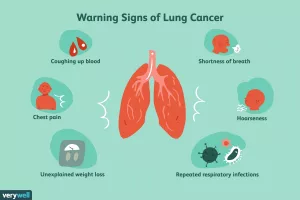
- Non-small cell lung cancer (NSCLC) accounts for approximately 80% to 85% of all lung cancer cases. In the early stages, symptoms may be absent or limited to a mild cough, wheezing, shortness of breath, or chest discomfort.
- As NSCLC advances, signs and symptoms typically become more pronounced and can include a persistent or worsening cough, coughing up blood, hoarseness, fatigue, fever, swelling, pain, and unexplained weight loss.
- Smoking remains the primary lung cancer risk factor, increasing the likelihood 15 to 30 times compared with nonsmokers. Diagnosis may require biopsy, imaging tests, sputum cytology, or bronchoscopy.
A person diagnosed with lung cancer will have either small cell or non-small cell lung cancer. Non-small cell lung cancer (NSCLC) represents about 80% to 85% of all cases and generally spreads more slowly than small cell lung cancer.
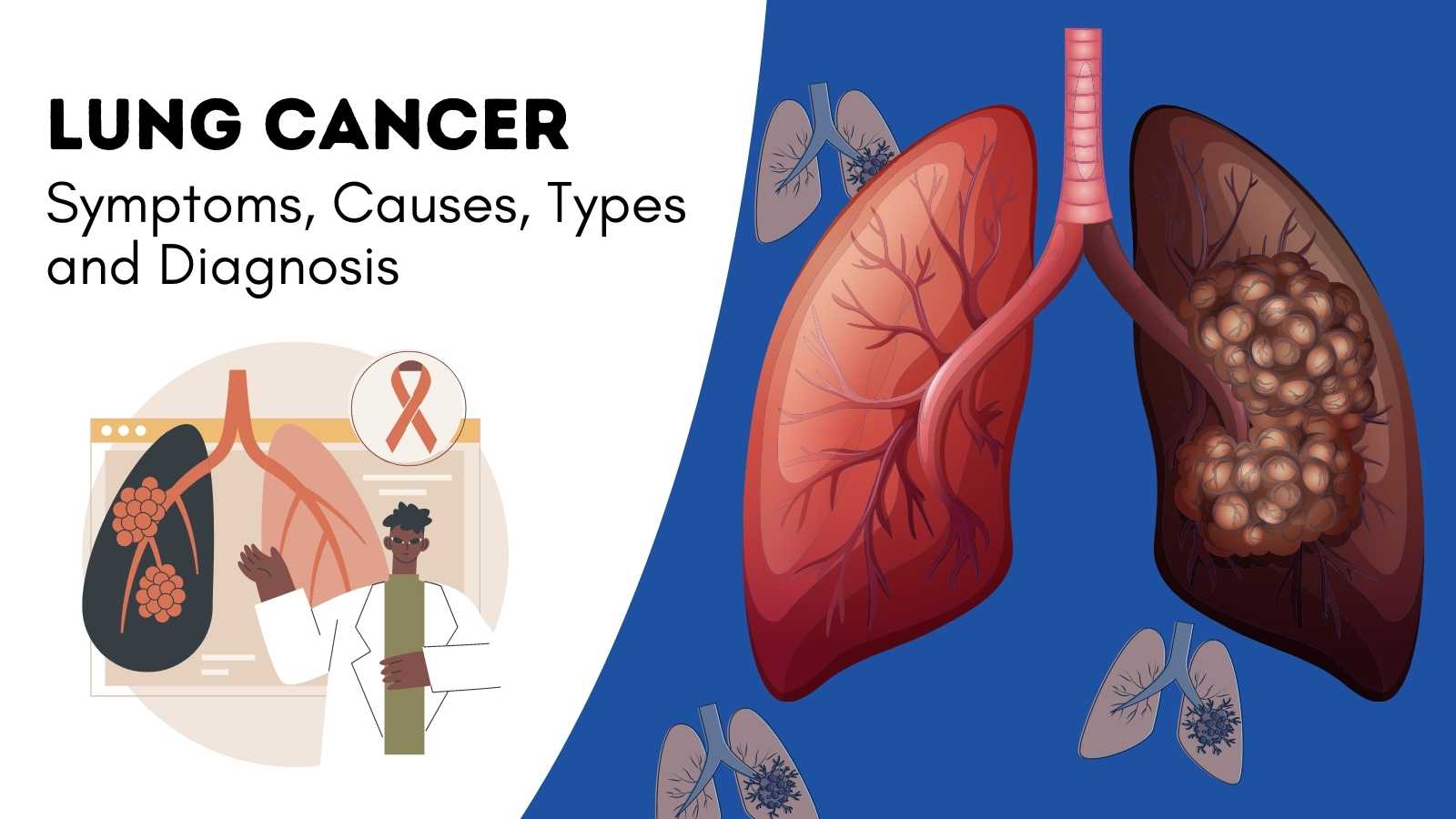
In stages 1 and 2, NSCLC tumors are usually confined to the lung and have not yet spread to distant lymph nodes or other organs. Many individuals notice no clear warning signs at this stage. However, some may experience early respiratory changes, including a persistent cough, subtle changes in breathing patterns, or even alterations in Lung cancer cough sound that differ from a typical cold-related cough.
- persistent cough
- wheezing
- shortness of breath
- chest discomfort
As NSCLC progresses to stages 3 and 4, tumors may enlarge, involve nearby lymph nodes, or metastasize to distant parts of the body. At this point, symptoms are more likely to intensify and may resemble other respiratory conditions, which can delay recognition.
Because the clinical presentation can closely mirror common lung illnesses, it’s essential to consult a healthcare professional if you develop ongoing or unexplained respiratory symptoms.
Coughing
Coughing is a natural reflex that helps clear irritants from your throat and airways by forcefully expelling air from the lungs. While coughing frequently occurs with colds, allergies, asthma, or infections, a persistent, worsening, or unexplained cough may sometimes indicate lung cancer.
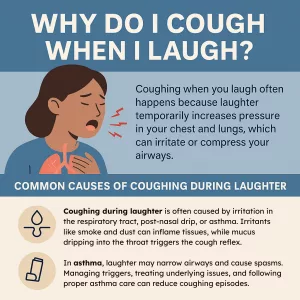
People often describe changes in Lung cancer cough sound as deeper, harsher, or more persistent than a typical cough. In some cases, the cough may worsen at night, occur without other cold symptoms, or become triggered by talking or laughing. If you’re concerned about patterns such as Cough when laughing cancer, it’s important to seek medical evaluation rather than dismissing it as minor irritation.
Seek immediate medical care if you cough up blood or blood-tinged mucus and phlegm, as this can be a serious sign requiring prompt assessment.
Shortness of breath (dyspnea)
Dyspnea may feel like chest tightness or the inability to take a full, satisfying breath. This symptom can greatly reduce physical activity and significantly affect overall quality of life.
Larger tumors or cancer spread can obstruct major airways or cause fluid accumulation around the lungs, known as pleural effusion.
Pleural effusion commonly leads to shortness of breath and chest discomfort. If you experience new, persistent, or worsening breathlessness that interferes with daily tasks, contact your doctor promptly.
Wheezing
Wheezing is a high-pitched whistling noise that typically occurs during exhalation when the airways narrow or become partially blocked. This narrowing restricts airflow and produces the characteristic sound.
Although frequently linked to asthma and other chronic lung disorders, wheezing may also occur if a tumor presses against or obstructs an airway.
Consult your healthcare provider if wheezing develops suddenly, becomes audible without a stethoscope, or appears alongside symptoms such as dyspnea or persistent cough.
Hoarseness or change in voice
Your vocal cords create sound by vibrating as they open and close. If lung cancer affects the laryngeal nerve, it can interfere with vocal cord function, leading to hoarseness or noticeable voice changes.
While hoarseness is commonly caused by laryngitis and other benign conditions, any change lasting longer than 2 weeks warrants medical evaluation.
Chronic fatigue
Fatigue associated with lung cancer is more than ordinary tiredness. It is a persistent sense of exhaustion that does not improve with rest. As the body attempts to combat cancer, energy reserves may become depleted, leading to lethargy and weakness.
This fatigue may become more pronounced as the disease progresses. Additionally, more than 80% of people receiving chemotherapy for lung cancer experience fatigue as a treatment side effect.
If persistent fatigue disrupts your daily routine or mental clarity, discuss it with your healthcare team for appropriate support strategies.
Fever
When your body is fighting illness, your temperature may increase. A reading above 100.4°F (38°C) is generally considered a fever.
In people with cancer, fever may result from lung infections or the immune system’s response to cancer. Contact your doctor if a fever is high, persistent, or accompanied by other concerning symptoms.
Swelling (edema)
Edema develops when small blood vessels (capillaries) are damaged or placed under pressure, allowing fluid to leak into surrounding tissues. In response, the kidneys retain water and salt, which can worsen swelling.
If cancer blocks or damages lymph nodes, the lymphatic system may be unable to properly drain excess fluid.
This can result in swelling in the neck, face, arms, or even throughout the legs and feet. Report unexplained swelling to your doctor for further evaluation.
Other symptoms of lung cancer
Additional symptoms may include:
- pain in the shoulders or back
- persistent chest pain
- recurrent lung infections such as pneumonia or bronchitis
- unexplained weight loss
- loss of appetite
- difficulty swallowing

When lung cancer metastasizes, symptoms depend on the affected area and may include:
- bone and joint pain
- dizziness
- headache or seizures
- memory loss
- jaundice
- weakness or numbness in the arms and legs
- blood clots
- lumps under the skin, particularly enlarged lymph nodes
If cancer impacts nerve pathways, it may trigger clusters of symptoms known as syndromes.
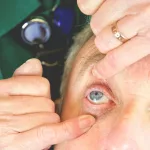
Horner’s syndrome
Horner’s syndrome develops when a tumor forms in the upper lung and damages a sympathetic nerve pathway extending from the upper chest to the neck. This may cause significant shoulder or neck pain.
Other symptoms can affect one side of your face and include:
- ptosis, drooping or weakness of one eyelid
- miosis, a smaller pupil in one eye
- anhidrosis, decreased or absent sweating on one side of the face
Superior vena cava syndrome
Superior vena cava syndrome occurs when the vein responsible for returning blood to the heart becomes obstructed, often due to tumor pressure.
- coughing
- dyspnea
- swelling and discoloration of the neck or face
- difficulty swallowing
Paraneoplastic syndrome
Some lung cancers trigger paraneoplastic syndrome, a rare collection of symptoms caused by hormones or immune responses affecting organs outside the lungs.
In certain cases, these manifestations are the first evidence of cancer, which can complicate diagnosis because the symptoms do not initially appear lung-related. They may involve the:
- musculoskeletal system
- endocrine system
- skin
- gastrointestinal tract
- blood
- nervous system
End-stage symptoms of lung cancer
The end-stage presentation of lung cancer varies from person to person. Some individuals may experience multiple symptoms, while others have only a few.
- pain
- confusion
- weakness
- restlessness
- loss of appetite
- cough
- difficulty concentrating
- rapid or irregular breathing
- shortness of breath
- a rattling sound in the chest between breaths
- anxiety
- depression
- loss of consciousness
Lung cancer risk factors
Smoking cigarettes is the leading cause of lung cancer. Smokers are 15 to 30 times more likely to develop lung cancer than nonsmokers.
A family history of lung cancer also increases risk, even in nonsmokers, particularly if a parent or sibling has had the disease.
Environmental exposures that raise risk include:
- secondhand smoke
- radon gas, the second leading cause of lung cancer, which can accumulate indoors
- asbestos, especially in older structures, with higher risk among smokers
- other carcinogens such as arsenic or nickel
Diagnosis of lung cancer
To confirm a lung cancer diagnosis, your doctor may use:
- Biopsy: Removal of a small lung tissue sample for examination of cancerous cells.
- Imaging tests: X-rays or CT scans to detect lung lesions or masses.
- Sputum cytology: Microscopic evaluation of coughed-up material.
- Bronchoscopy: A camera-equipped instrument that allows visualization of the airways and collection of tissue samples.
If you are at elevated risk, ask your provider whether screening with a CT scan is appropriate. Early detection significantly improves outcomes, particularly for current or former smokers. Personal stories such as How I knew I had lung cancer highlight how recognizing subtle symptoms — including changes in Lung cancer cough sound — can prompt earlier medical evaluation.
Learn more about lung cancer diagnosis.
Conditions with similar symptoms
Several lung conditions share overlapping symptoms with lung cancer, including:
- influenza and pneumonia
- asthma
- bronchitis
- tuberculosis
- chronic obstructive pulmonary disease (COPD), including emphysema and chronic bronchitis
- cystic fibrosis
Discuss these possibilities with your doctor if you experience:
- wheezing
- persistent cough
- bloody cough
- fever
- pneumonia
- excessive sweating
Takeaway
Lung cancer has the highest mortality rate among cancers in the United States. However, early-stage diagnosis and timely treatment can improve outcomes.
If you notice persistent respiratory symptoms, changes in breathing, or alterations in Lung cancer cough sound, seek medical attention promptly. If you smoke, quitting remains the most effective step you can take to lower your risk and protect your long-term lung health.
















Leave a Reply
You must be logged in to post a comment.