
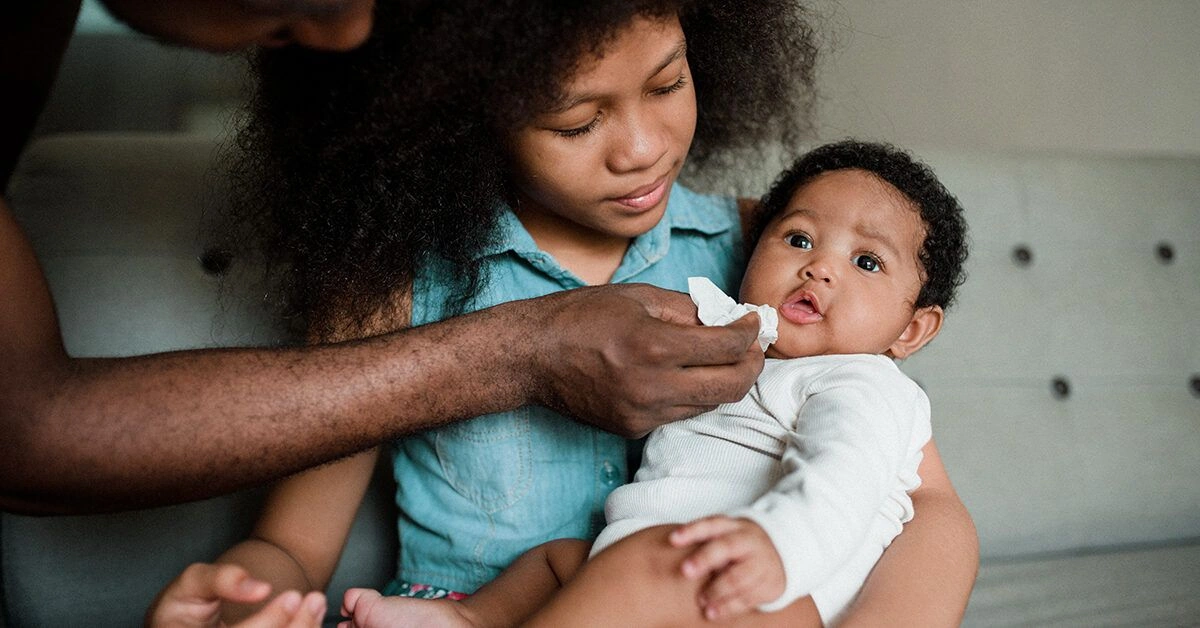
Babies and toddlers can develop mouth ulcers for a variety of reasons. In many cases, these sores heal on their own within 7 to 14 days. However, medical evaluation may be necessary if the sores are numerous, continue to spread, or your child develops additional symptoms such as a fever. Looking at Toddler mouth sores pictures can sometimes help parents recognize what they’re seeing, but a proper understanding of causes and symptoms is just as important.

Your baby’s bright, gummy smile likely melts your heart. But that smile can quickly turn into concern if you notice small white bumps or irritated patches inside their mouth that aren’t new teeth.
Mouth ulcers are small, painful lesions that may appear on the lips, gums, tongue, inner cheeks, or the roof of the mouth. They can result from viral infections, minor injuries (such as accidentally biting the cheek), or even vitamin deficiencies. Reviewing Toddler mouth sores pictures may give you a visual reference, but it’s important to understand the full clinical picture.
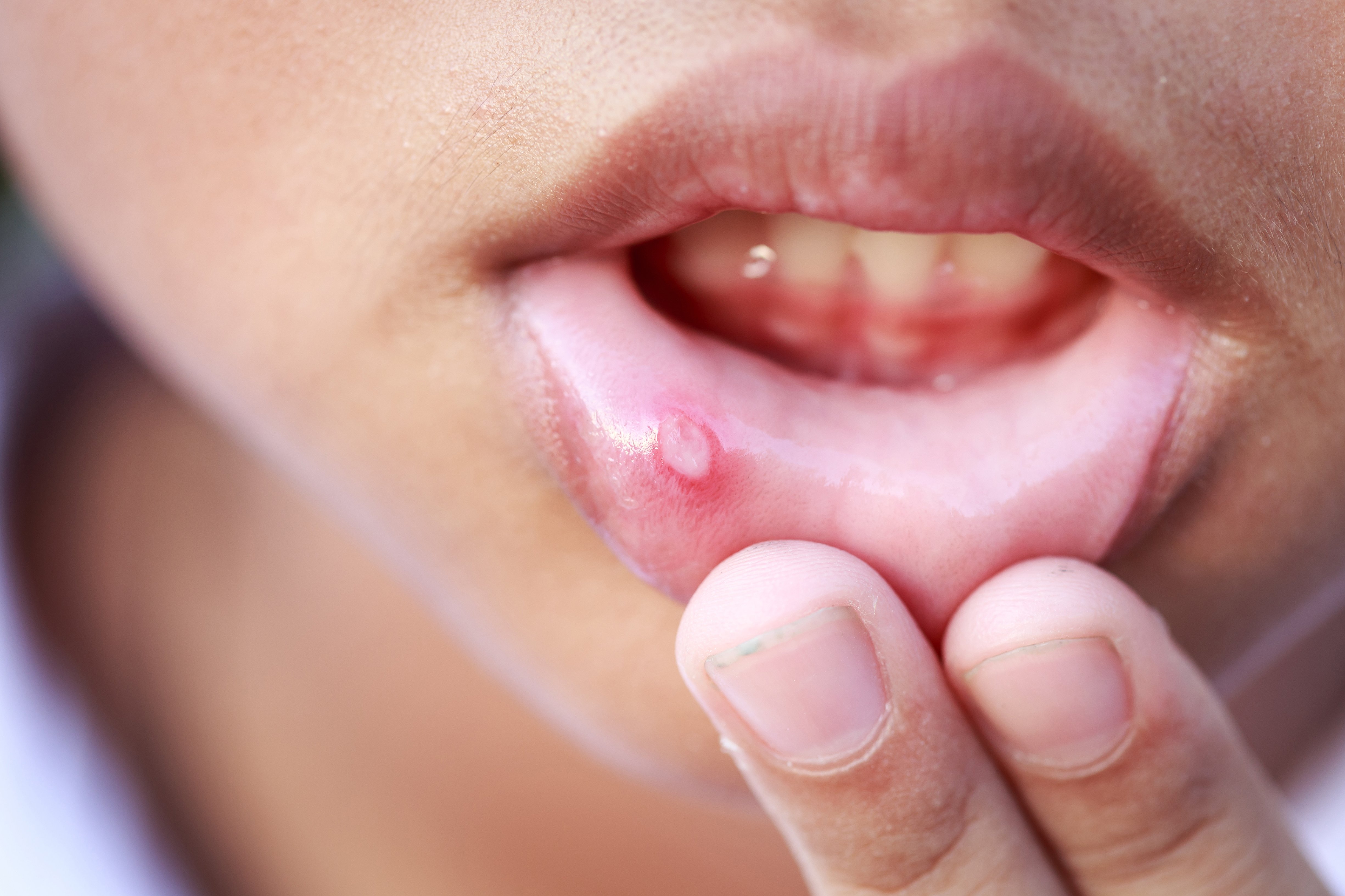
They are reported in about 9% of children and usually resolve within a few weeks with minimal complications.
What are the symptoms of ulcers in a baby’s mouth?
Common signs of mouth ulcers in babies and toddlers include:
- sores on the lips, gums, tongue, inner cheeks, or roof of the mouth
- pain even when not eating
Mouth ulcers are generally round or oval and often appear white, gray, yellow, or red. Some may have a red border surrounding a pale or whitish center. If you’re unsure whether you’re seeing a canker sore, thrush, or another issue, comparing findings with reliable Toddler mouth sores pictures can be helpful. In some cases, sores on the palate may resemble Red spots roof of mouth child, which can have overlapping but distinct causes.
Babies may become fussier than usual, refuse feeds, or cry during nursing or bottle-feeding due to discomfort. Drooling more than normal or disrupted sleep may also signal oral pain.
What is the treatment for ulcers in a baby’s mouth?
In many situations, ulcers in your baby’s mouth improve without specific treatment within 1 to 2 weeks.
If your child’s doctor identifies an underlying condition, such as oral thrush, as the source of the mouth ulcers, they may suggest a targeted treatment plan. Otherwise, care typically centers on easing discomfort while the sores heal naturally.
Your child’s doctor may recommend over-the-counter pain relievers like acetaminophen (Tylenol) or ibuprofen (Advil, Motrin) to manage pain. In some cases, they may advise applying a dental paste or liquid antacids such as Maalox or Milk of Magnesia directly to the ulcers to provide a protective coating.
For more severe or persistent cases, prescription steroids may occasionally be used to help decrease inflammation and pain. Always consult your child’s healthcare professional before giving any medication, especially in infants and young toddlers.
Are there home remedies for ulcers in a baby’s mouth?
There are several supportive measures you can try at home to help relieve discomfort caused by mouth ulcers:
- Offer your baby something cool, such as a clean cloth dipped in cold water, to suck on. Always supervise and avoid giving hard, frozen objects.
- For babies who eat solids, avoid foods that are spicy, salty, acidic, or rough in texture, as these may irritate sores.
- Speak with your child’s doctor about the possible use of numbing mouth gel, coconut oil, or aloe vera applied carefully to the affected area.
- Continue nursing if you normally breastfeed, unless advised otherwise by your pediatrician.
- Encourage small, frequent sips of water to prevent dehydration and reduce discomfort from dry mouth.
Home approaches that help relieve teething pain may also provide some comfort for mouth ulcers, as both conditions can make the mouth sensitive and sore.
Keeping your child’s mouth clean with gentle oral hygiene practices can also support healing and lower the risk of secondary infection.
What causes ulcers in a baby’s mouth?
There are numerous potential causes of mouth ulcers in babies and toddlers, including:
- canker sores
- hand-foot-mouth disease
- oral thrush
- herpes viruses
- allergic reactions to foods
- vitamin deficiencies
- gastrointestinal disorders
- inflammation and chronic diseases
Cold sores, also called fever blisters, may lead to ulcers on the outside of your baby’s mouth. These are commonly linked to herpes viruses and are contagious, unlike canker sores.

Occasionally, trauma such as biting the inside of the cheek, irritation from a pacifier, or friction from new teeth can trigger ulcer formation. Identifying the underlying cause is essential for choosing the right treatment approach.
What are the risk factors for ulcers in a baby’s mouth?
Your child may be more prone to developing mouth ulcers if they have:
- food allergies
- an unbalanced diet or vitamin deficiencies
- an autoimmune disease
- inflammatory bowel disease
- periodic fever syndrome
- dry mouth
- experienced stress and trauma
Children with weakened immune systems may also have a higher likelihood of recurrent oral sores. Nutritional gaps, particularly involving certain vitamins and minerals, can contribute to recurring lesions, making a well-rounded diet especially important during early development.
How are ulcers in a baby’s mouth diagnosed?
In most cases, your child’s doctor can diagnose mouth ulcers through a visual examination during a physical checkup. The appearance, location, and pattern of the sores often provide helpful diagnostic clues.
If the physician suspects an underlying medical condition, they may order blood tests or take a swab from the ulcer for further analysis. This helps rule out infections such as oral thrush or viral causes and ensures appropriate management.
Frequently asked questions
Does my child need to stay home from school if they have mouth ulcers?
Canker sores are not contagious, so your child typically does not need to stay home for that reason alone. However, if mouth ulcers are accompanied by fever, multiple lesions, or other signs of illness, a medical evaluation is recommended before returning to school or daycare.
When should my child see a doctor about their mouth ulcers?
If the ulcers do not improve within 1 to 2 weeks, worsen over time, or occur along with other symptoms such as fever or vomiting, contact your child’s doctor. Persistent, unusually large, or frequently recurring sores also warrant professional assessment.
What can I do to help prevent ulcers in my baby’s mouth?
Maintaining good oral hygiene — such as gently brushing your child’s teeth or gums twice daily — can reduce irritation and lower the risk of certain infections. Providing a balanced diet rich in essential vitamins and minerals also supports overall oral and immune health.
If the ulcers stem from a virus or another medical condition, properly treating and managing that underlying issue can help reduce the chance of recurrence.
The takeaway
Mouth ulcers are relatively common in babies and toddlers and can arise from a wide range of causes, from minor injuries to viral infections.
If your child develops mouth ulcers that last longer than 2 weeks or are paired with additional symptoms such as fever, it’s important to consult their pediatrician or healthcare professional. Prompt evaluation can help identify any underlying causes and ensure your child receives appropriate care and relief.




















Leave a Reply
You must be logged in to post a comment.