
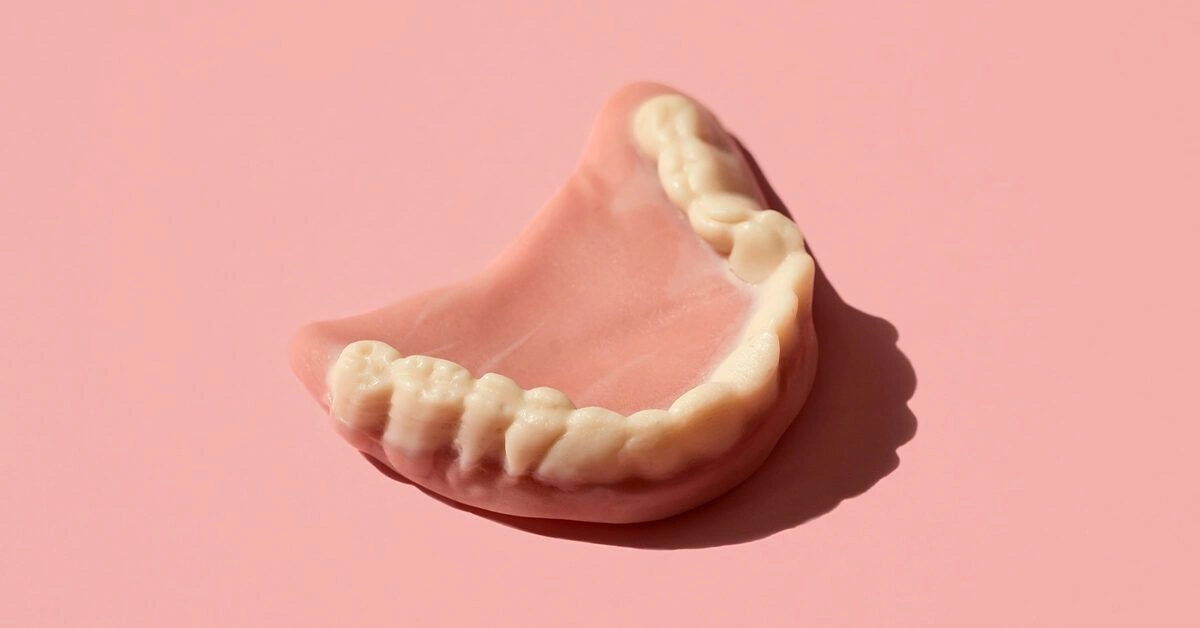

Partial or full dentures (removable teeth) are a reliable solution for replacing missing teeth and restoring the look of your smile. Beyond aesthetics, dentures support facial structure and improve chewing and speech. To keep them functioning well and looking natural, daily hygiene — including proper use of a Denture adhesive Remover — is essential.
These prosthetic teeth are crafted to closely resemble natural teeth and are typically made from materials such as acrylic and metal. Although they aren’t natural teeth, they still require consistent care to prevent bacterial growth and maintain oral health.
Routine denture maintenance goes beyond simple brushing. Using the correct cleaning techniques and products — including a gentle Denture adhesive Remover when needed — helps preserve their shape, fit, and durability while protecting your gums and remaining teeth.
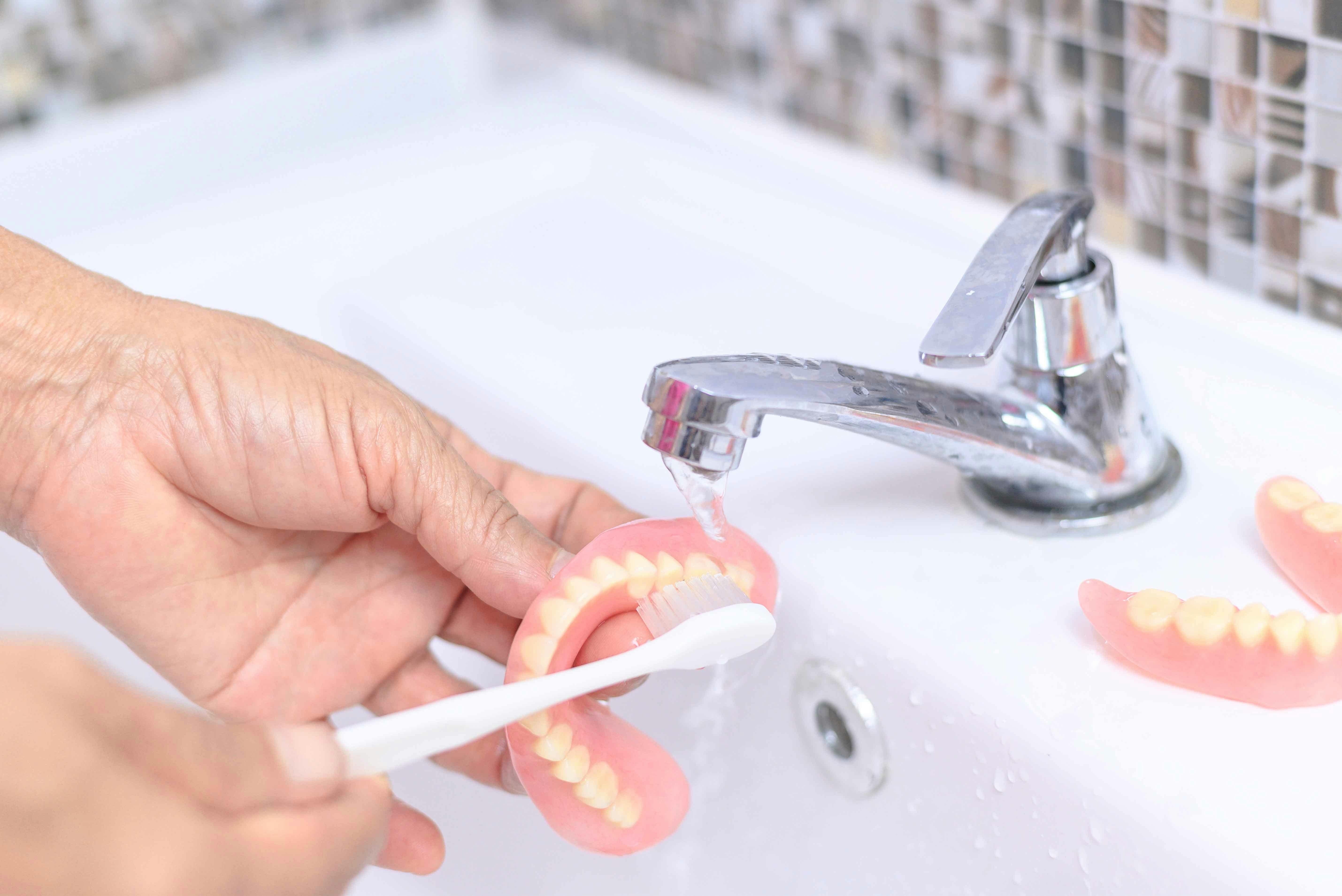
Continue reading to learn the most effective methods for cleaning and maintaining your dentures for long-term oral health.
What’s the best way to clean your dentures?
Just like natural teeth, dentures accumulate plaque and food debris after eating and drinking. Dental plaque is a sticky film of bacteria that forms on both dentures and teeth, increasing the risk of oral health problems if not removed.
If plaque isn’t cleared away daily, it can harden and contribute to gum disease, irritation, and bad breath. Proper cleaning — including removing leftover adhesive with a Denture adhesive Remover — plays a crucial role in preventing inflammation and infection.
Daily care is essential for maintaining overall oral hygiene. To clean your dentures effectively, gather the following supplies:
- a soft-bristled toothbrush
- water
- denture cleaning solution or mild soap
- a soft towel
Aim to brush your dentures at least once a day. Ideally, clean them in the morning and again before bedtime. However, avoid using regular toothpaste on your dentures.
Many commercial toothpastes contain abrasive ingredients that may scratch denture surfaces over time. These microscopic scratches can trap bacteria and stains, reducing the lifespan of your dentures.
Instead, select a soft-bristled toothbrush specifically designed for dentures. These brushes are made to gently clean without damaging the material.
While brushing removes surface debris, it’s not sufficient on its own. Long-term denture care also requires soaking and proper adhesive removal each night.
Cleaning instructions
Step 1. Before taking out your dentures, place a folded, soft towel on the bathroom counter. If they slip from your hands, the towel will cushion the fall and reduce the risk of breakage.
Step 2. Carefully remove the dentures and rinse them under warm running water to wash away loose food particles.
Step 3. With a soft-bristled toothbrush, gently clean all denture surfaces to eliminate bacteria, plaque, and food debris. You may use mild soap or a denture cleanser with warm water. Brushing also helps loosen denture adhesive. If needed, use a Denture adhesive Remover to fully clear any remaining residue. For additional guidance, you can review How to remove poligrip or learn more about How to remove Poligrip from roof of mouth. After cleaning, rinse thoroughly with warm water.
Step 4. If you’re heading to bed, place your dentures in lukewarm water or a denture-soaking solution overnight. Never allow dentures to dry out, as this can cause them to lose their shape and become brittle. In the morning, rinse them before reinserting. Warning: Avoid hot water, as heat can warp the material.
How often should you clean your dentures?
Dentists advise cleaning dentures at least once daily, though brushing twice a day is preferable for optimal oral hygiene.
A practical routine is to clean them when you wake up and again before bedtime. Additionally, soak them in mild soap or a dental cleansing solution every night to disinfect and loosen debris.
Although toothpaste should not be used on dentures, it should be used on your gums and tongue twice daily. This practice promotes gum health, stimulates circulation, and helps prevent bad breath.
If you wear partial dentures, brush and floss your remaining natural teeth every day to prevent cavities and gum disease.
Using mouthwash can further support oral hygiene. You may remove dentures before rinsing or choose a mouthwash formulated specifically for denture wearers.
What are the best ways to maintain your dentures?
With proper care, dentures typically last between 7 and 10 years. Consistent maintenance, careful handling, and correct adhesive removal can extend their lifespan and maintain a comfortable fit.
Maintenance tips
- After meals and beverages, remove and rinse your dentures with warm water to prevent food buildup.
- Dentures are delicate and prone to damage. Clean them carefully over a sink filled with water or a folded towel.
- Avoid harsh chemicals. Do not use toothpaste or whitening products on dentures, as these may cause scratches or discoloration.
- Remove dentures before sleeping to allow your gums to rest and to reduce bacterial accumulation.
- Soak dentures in cool or warm water overnight — never hot water.
- If dentures crack or break, contact your dentist promptly rather than attempting self-repair.
- When applying adhesive, follow manufacturer guidelines and use only the recommended amount. Remove adhesive nightly with a soft-bristled brush, mild soap, water, or an appropriate Denture adhesive Remover to prevent buildup and irritation.

In addition to cleaning the dentures themselves, gently massage and clean your gums with a soft toothbrush or damp cloth after removal. This improves circulation and helps remove plaque from oral tissues.
When to call your dentist
Routine dental visits remain important, even if you wear full dentures. Schedule a checkup every 6 months so your dentist can evaluate fit, gum health, and any necessary adjustments.
Contact your dentist if you notice concerns such as:
- discomfort or irritation
- slipping or poor fit
- clicking sounds while talking or eating
- visible wear, cracks, or breakage
Also seek professional care if you experience:
- mouth sores
- bleeding gums
- persistent bad breath
Mouth sores or gum irritation may indicate that your dentures no longer fit properly and require adjustment.
Takeaway
Dentures can restore your smile, improve confidence, and support everyday functions like speaking and chewing. However, consistent and thorough care is vital to maintaining both the dentures and your oral health.
Daily brushing, soaking, and proper removal of adhesive using a Denture adhesive Remover help prevent plaque buildup, gum disease, and unpleasant odors. These steps also preserve the durability and fit of your dentures.
Make denture care part of your everyday routine, and consult your dentist promptly if you experience discomfort or damage. With attentive maintenance, your dentures can remain comfortable and functional for many years.




















Leave a Reply
You must be logged in to post a comment.