
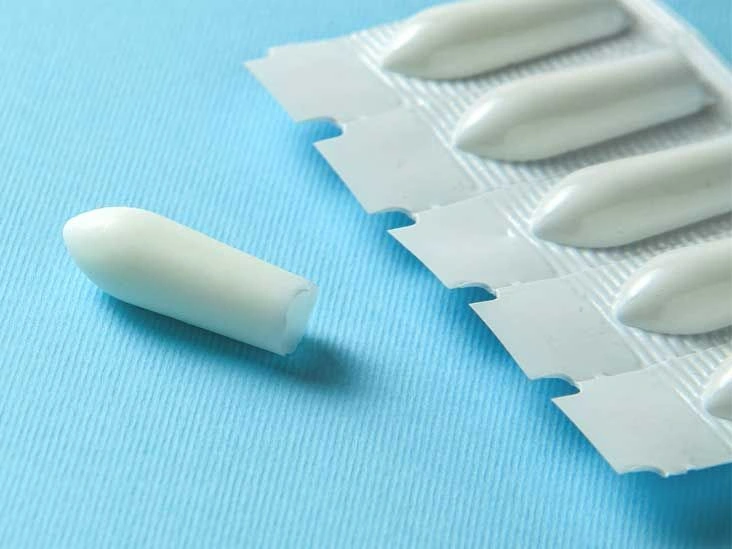
Suppositories and hemorrhoids
Hemorrhoids are enlarged, inflamed veins located in and around the anus and rectum. When these blood vessels swell, they may trigger discomfort, tenderness, itching, and pain that can interfere with daily activities and bowel movements.

Suppositories are solid doses of medication formulated for insertion into the rectum. Once placed inside, they dissolve and are absorbed through the rectal lining. Most are made with a base such as oil or cream combined with an active medication designed to target specific symptoms.
Over-the-counter (OTC) suppositories are typically most effective for mild hemorrhoid-related discomfort. Different formulations contain different active ingredients, each intended to achieve a particular effect.
Certain hemorrhoid suppositories are designed to reduce swelling and burning sensations. Others focus on relieving constipation, which can aggravate hemorrhoids and intensify symptoms. Prescription-strength alternatives to many OTC suppositories are also available when stronger treatment is necessary.
Some individuals consider homemade hemorrhoid suppositories as a natural option. Ingredients such as witch hazel and coconut oil may offer temporary soothing effects. However, these preparations do not contain active medications proven to decrease inflammation or relieve significant pain.
Suppository vs. topical
Internal hemorrhoids develop inside the rectum, whereas external hemorrhoids form beneath the skin surrounding the anus.
External hemorrhoids often lead to itching, irritation, and noticeable pain. Internal hemorrhoids can also be painful, but they may not feel as irritating because the tissue lining the internal rectum contains fewer nerve endings.
Creams, ointments, and medicated pastes are commonly used on external hemorrhoids to provide short-term symptom relief. These OTC and prescription products may ease burning, itching, and mild discomfort.
Suppositories are generally more suitable for internal hemorrhoids. Because the medication is absorbed through rectal tissue, it can address discomfort and pain originating inside the rectum. In some cases, they may also calm certain symptoms linked to external hemorrhoids.
Suppositories are usually administered two to four times daily for up to one week. For optimal results, insert them after a bowel movement so the medication remains in place longer.
External creams and ointments may be applied as needed. However, their relief is often shorter-lived compared to suppositories, which dissolve gradually and release medication over an extended period.
Both topical treatments and suppositories should be used only for a limited duration to reduce the risk of side effects or complications.
Minor bleeding can occur with hemorrhoids. Noticing a small amount of bright red blood on toilet paper or stool is generally common. In these cases, using a suppository is typically safe. However, if your stool appears black or you observe a significant amount of blood, contact your doctor promptly.
Best practice for using a suppository
You can insert a suppository самостоятельно. If you’re new to the process, you may prefer assistance from a family member until you feel comfortable.
Before starting, gather the suppository and the applicator if one is included. Have soap and access to a sink nearby. Some people use a lubricating jelly to ease insertion. If you’re unsure about safe lubrication options, you may find it helpful to read Can you use Vaseline as lube for suppository for guidance on appropriate choices.
Check that the suppository is firm before use. If it feels too soft, refrigerate it for several minutes. The cooling sensation may also provide added comfort during insertion.
If possible, empty your bowels beforehand. The longer the medication remains inside without being expelled, the more effective it can be.

Step 1
When prepared, remove your lower garments and unwrap the suppository. Apply a small amount of lubricating jelly to its tip. Avoid petroleum jelly-based products such as Vaseline, as they may interfere with proper melting.
Step 2
Stand next to a chair and raise one foot onto it. Alternatively, lie on your side with your bottom leg straight and your top leg bent toward your stomach. Many healthcare providers recommend this side-lying position; learn more about Why lay on left side for suppository to understand how positioning may support easier insertion and absorption. Relax your buttocks and take a slow, deep breath.
Step 3
Gently insert the suppository into the rectum with the narrow end first. Push it inward carefully but firmly until it passes at least one inch beyond the anal sphincter.
Step 4
Remain seated or lying down for a minimum of 15 minutes. This allows body heat to melt the suppository and begin the absorption process.
Step 5
After 15 minutes, get dressed and discard any wrappers. Wash your hands thoroughly.
Tips for use
Avoid using the bathroom for at least one hour after insertion. This gives the medication sufficient time to work before it could be eliminated by urine or a bowel movement.
If your suppository includes a gauze insert, keep the gauze in place for at least one hour. After that time, gently pull the string to remove it from the rectum.
Suppository options
Various types of suppositories contain different active ingredients. Below is a comparison of common OTC suppositories:
| Type of medicine | Active ingredient | How it helps | Brand names |
| vasoconstrictors | phenylephrine | • shrinks blood vessel • temporarily reduces swelling | Preparation H Hemorrhoidal Suppositories |
| analgesics and anesthetics | pramoxine | • numbs nerves • provides temporary relief from pain and discomfort • may be combined with other medicine | Anusol Plus (20 mg praxomine) |
| protective | zinc oxide | • forms a barrier to protect tissue from irritating contact | Calmol |
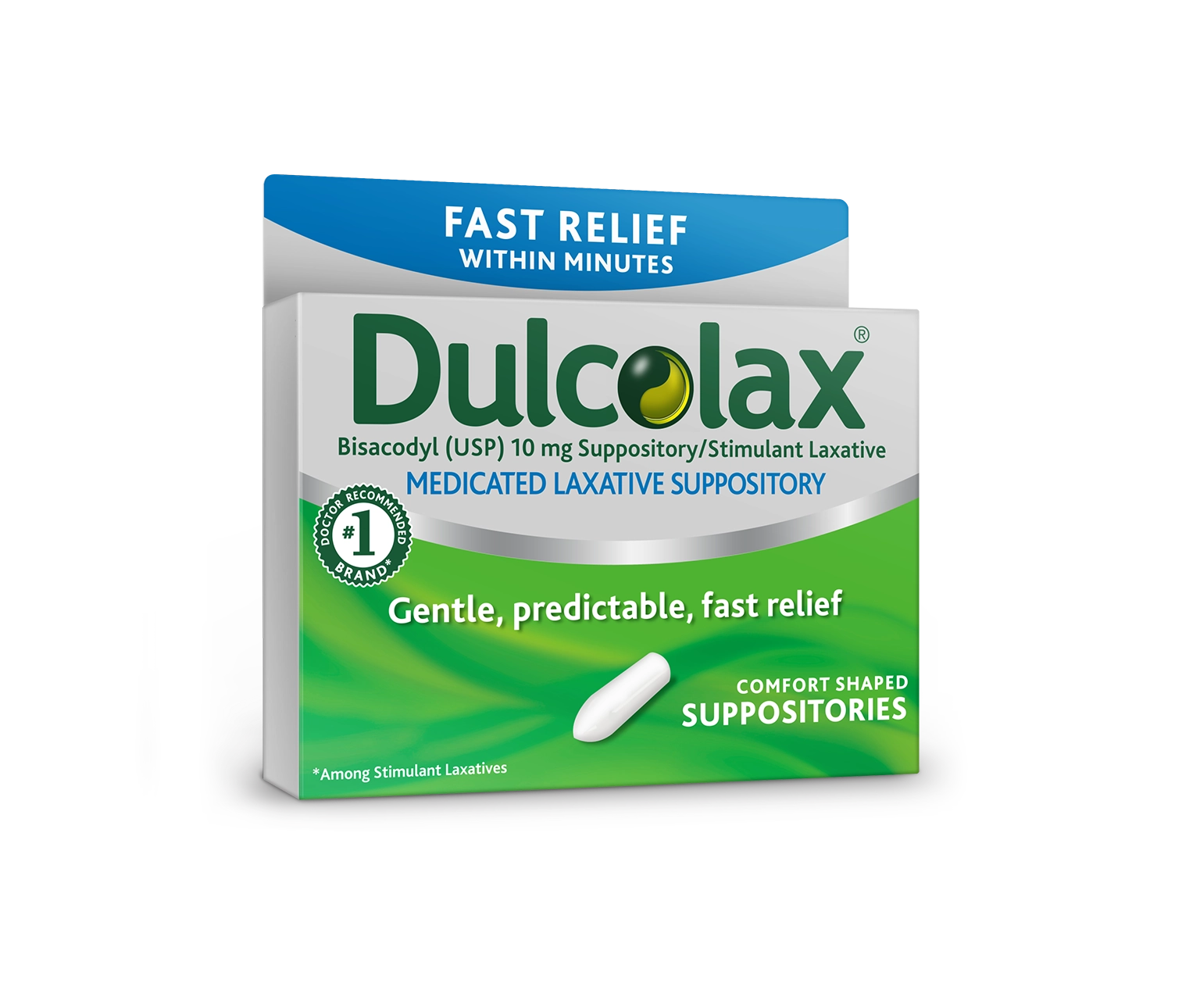
Shop for OTC suppository options online.
.webp)
Most OTC suppositories are intended for short-term use. If symptoms do not improve or resolve within one week, discontinue use and consult your doctor.
Your doctor may recommend an alternative therapy, including a prescription-strength suppository:
| Type of medicine | Active ingredient | How it helps | Brand names |
| steroid | hydrocortisone | • reduces itching and swelling | Anucort-H Anusol-HC |
Herbal and home remedies
Alongside OTC and prescription medicated suppositories, some individuals explore alternative options for comfort. These remedies aim to soothe irritation but do not contain active pharmaceutical ingredients to decrease inflammation or significantly relieve pain.
Coconut oil suppositories are sometimes used for hemorrhoid relief. They are typically made by freezing coconut oil in small cylindrical shapes. When ready for use, remove one and insert it promptly into the rectum.
The cooling effect may provide immediate soothing. Coconut oil may also offer extended comfort due to its potential anti-inflammatory properties, although evidence is limited compared to medicated treatments.
You can also create a laxative suppository by combining mineral oil with a solid oil such as coconut oil or cocoa butter. Freeze the mixture into small cylinders and insert one as needed.
Mineral oil is absorbed by the body and may help stool move more easily through the intestines, which can reduce straining—a key factor in preventing hemorrhoid flare-ups. For individuals asking, How long after suppository can I poop, timing can vary depending on the ingredients used. Laxative-based suppositories may stimulate a bowel movement relatively quickly, while soothing suppositories for hemorrhoids are meant to remain in place longer for symptom relief.
Caution
Avoid using OTC hemorrhoid medications for more than one week unless directed by a doctor. The medications in suppositories and related products can irritate delicate rectal tissues and potentially lead to inflammation, skin rash, or thinning of the skin.
Do not use prescription hemorrhoid medication more often than instructed. If the treatment does not provide adequate relief, consult your doctor to discuss other options, including procedural interventions or lifestyle adjustments.
The bottom line
Suppositories represent one treatment option for hemorrhoids, particularly internal hemorrhoids. They can be effective for reducing discomfort and pain when creams, ointments, or medicated wipes are insufficient.
OTC suppositories should be used only for a limited time. Overuse may result in side effects such as irritation or rash.
If you’re wondering, How long after suppository can I poop, it’s generally advisable to wait at least one hour to allow adequate absorption, unless the product is specifically intended to produce a bowel movement. Always follow package directions or your doctor’s guidance.
Speak with your doctor if OTC treatments fail to relieve symptoms or if you need to explore additional therapeutic approaches for hemorrhoid management.






















Leave a Reply
You must be logged in to post a comment.