
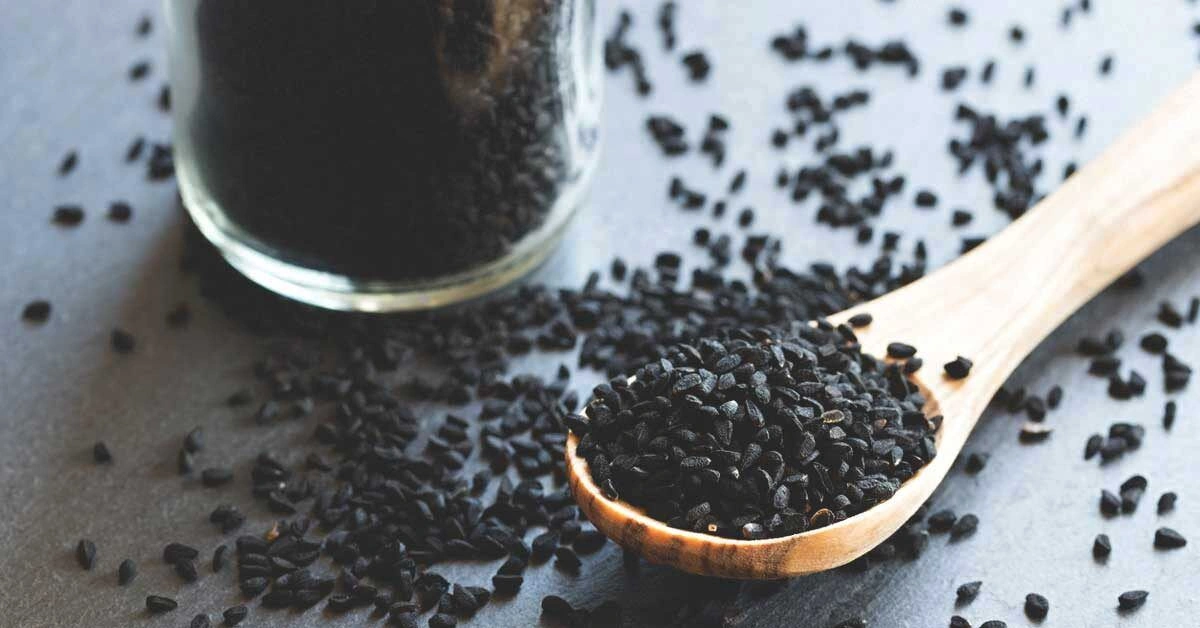
Kalonji is a fragrant spice valued not only for its bold flavor but also for its wide range of traditional medicinal uses. In recent years, interest in Black seed oil benefits has grown significantly, as more people explore natural supplements to support overall wellness. While early findings are promising, further high-quality research is still needed to fully clarify its advantages and possible risks.
Commonly referred to as black cumin, nigella, or by its botanical name Nigella sativa, kalonji belongs to the buttercup family of flowering plants.
This plant typically grows up to 12 inches (30 cm) in height and produces small black seeds that are widely used as a spice in a variety of global cuisines.
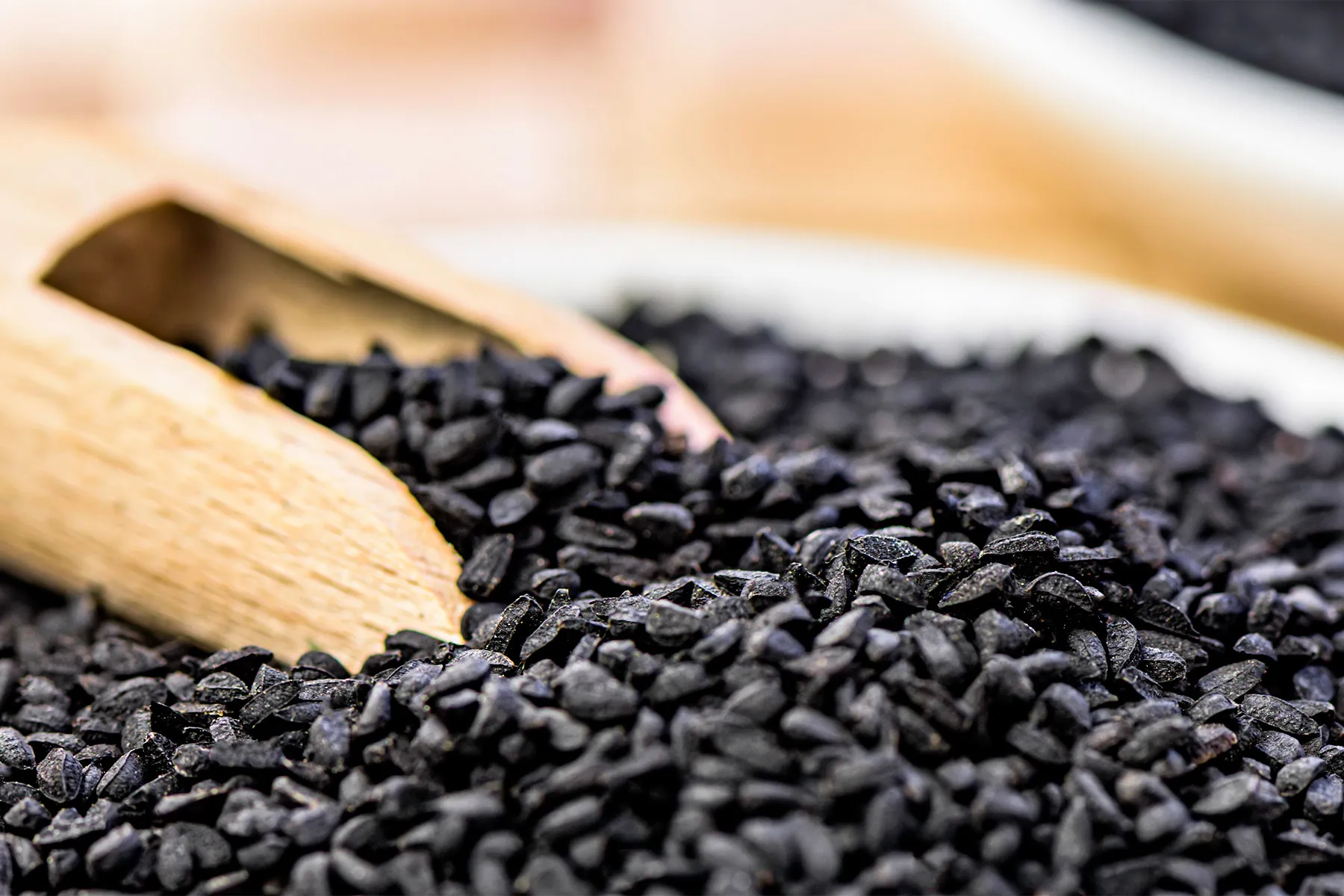
Beyond its culinary appeal, kalonji has long been recognized for its therapeutic properties.
Its traditional use dates back centuries, where it was relied upon as a natural remedy for conditions ranging from bronchitis to diarrhea.
Below, we explore nine of the most notable science-backed Black seed oil benefits and practical ways to incorporate it into your daily routine.
1. Packed with antioxidants
Antioxidants are compounds that help neutralize harmful free radicals and shield cells from oxidative stress. A growing body of research indicates that antioxidants play a critical role in protecting against chronic disease and supporting long-term health.
Some studies suggest that antioxidants may protect against several chronic conditions, including cancer, diabetes, heart disease and obesity.
Several compounds in kalonji — such as thymoquinone, carvacrol, t-anethole and 4-terpineol — contribute to its strong antioxidant activity.
Lab research from 2024 indicates that kalonji essential oil may also demonstrate antioxidant potential. However, additional human studies are necessary to determine how these antioxidant effects translate into real-world health outcomes.
2. May lower cholesterol
Cholesterol is a waxy, fat-like substance present in every cell of your body. Although some cholesterol is essential for hormone production and cell function, elevated levels in the bloodstream can increase the risk of heart disease.
Kalonji has been shown to be particularly effective in supporting healthier cholesterol levels.
A 2021 review of existing studies found that kalonji was linked to meaningful reductions in total cholesterol, “bad” LDL cholesterol and triglycerides.
Researchers note that future studies with larger sample sizes and standardized preparation methods are needed to better understand its lipid-lowering effects.
3. Could have cancer-fighting properties
Thanks to its high antioxidant content, kalonji has been studied for its potential role in neutralizing free radicals that may contribute to diseases such as cancer.
Research has revealed noteworthy findings regarding the possible anti-cancer effects of kalonji and thymoquinone, its primary bioactive compound.
For example, a 2021 study reported that thymoquinone triggered programmed cell death in blood cancer cells.
A 2018 study further demonstrated that thymoquinone in kalonji may prevent breast cancer cells from metastasizing.
Overall, preliminary findings indicate that kalonji and its constituents may show effectiveness against additional cancer types, including:
- pancreatic
- lung
- cervical
- prostate
- skin
- colon
- liver
- renal
- ovarian
Still, most research has been conducted in laboratory or animal settings. More human clinical trials are required to determine whether using kalonji as a spice or supplement offers meaningful cancer-related benefits.
4. Can help kill off bacteria
Pathogenic bacteria are responsible for numerous infections, ranging from mild ear infections to serious conditions like pneumonia.
Some test-tube research suggests that kalonji may possess antibacterial properties and may help combat specific bacterial strains.
A 2020 study noted its effectiveness in addressing staphylococcus skin infections.
Additionally, a 2019 laboratory study found that kalonji was notably effective against methicillin-resistant Staphylococcus aureus (MRSA), a strain known for antibiotic resistance.
Despite these promising findings, human data remain limited, and more clinical research is necessary to confirm these antibacterial effects in real-world settings.
5. May alleviate inflammation
Inflammation is a natural immune response designed to defend the body against injury and infection.
However, chronic inflammation has been associated with conditions such as cancer, diabetes and heart disease.
Multiple studies indicate that kalonji may exert significant anti-inflammatory effects within the body.
A 2019 study found that supplementing with 1,000 milligrams (mg) of kalonji oil daily for 8 weeks reduced markers of inflammation and oxidative stress in individuals with liver disease.
Similarly, a 2023 meta-analysis showed that kalonji helped decrease inflammatory markers in people.
While these results are encouraging, most available research focuses on individuals with specific health conditions. Broader studies are needed to determine how kalonji affects inflammation in the general population.
6. Could help protect the liver
The liver performs vital functions, including detoxifying harmful substances, metabolizing medications, processing nutrients and producing essential proteins.
Several animal studies suggest that kalonji may support liver protection against chemical-induced damage, although many of these studies are older and limited to animal models.
In a 2008 study, rats exposed to a toxic chemical experienced reduced liver and kidney damage when given kalonji.
A 2014 review attributed these protective effects to its antioxidant content and its ability to reduce inflammation and oxidative stress.
Furthermore, a 2023 meta-analysis of four randomized controlled trials in individuals with metabolic dysfunction-associated steatotic liver disease (MASLD) found that kalonji supplementation reduced:
- hepatic steatosis
- liver enzymes
- inflammatory markers
However, the authors emphasized the need for higher-quality clinical trials to confirm these findings in diverse populations.
7. May aid in blood sugar regulation
Elevated blood sugar can lead to symptoms such as excessive thirst, unexplained weight loss, fatigue and trouble concentrating.
Over time, persistently high blood sugar may contribute to nerve damage, vision changes and delayed wound healing.
Among the documented Black seed oil benefits is its potential role in promoting stable blood glucose levels and supporting metabolic health.
A 2025 meta-analysis of 16 studies involving individuals with type 2 diabetes found that kalonji supplementation significantly reduced:
- fasting blood sugar
- glycated hemoglobin (HbA1c)
- total cholesterol
- LDL cholesterol
These findings suggest potential metabolic benefits, though individualized medical guidance remains essential.
8. May prevent stomach ulcers
Stomach ulcers are painful sores that develop when stomach acid erodes the protective mucosal lining.
According to a 2023 review, animal research indicates that kalonji may help defend against ulcer formation by preserving the stomach lining, decreasing acid secretion and eliminating H. pylori, a bacteria that can damage stomach tissue.
In a 2020 study, individuals with H. pylori and functional dyspepsia received antibiotics, kalonji or both for 8 weeks. Those receiving kalonji experienced higher H. pylori eradication rates and improved quality of life compared to placebo.
Even so, more human-based studies are required to determine its effectiveness in ulcer prevention.
9. Easy to add to your diet
Incorporating kalonji into your meals is simple and versatile.
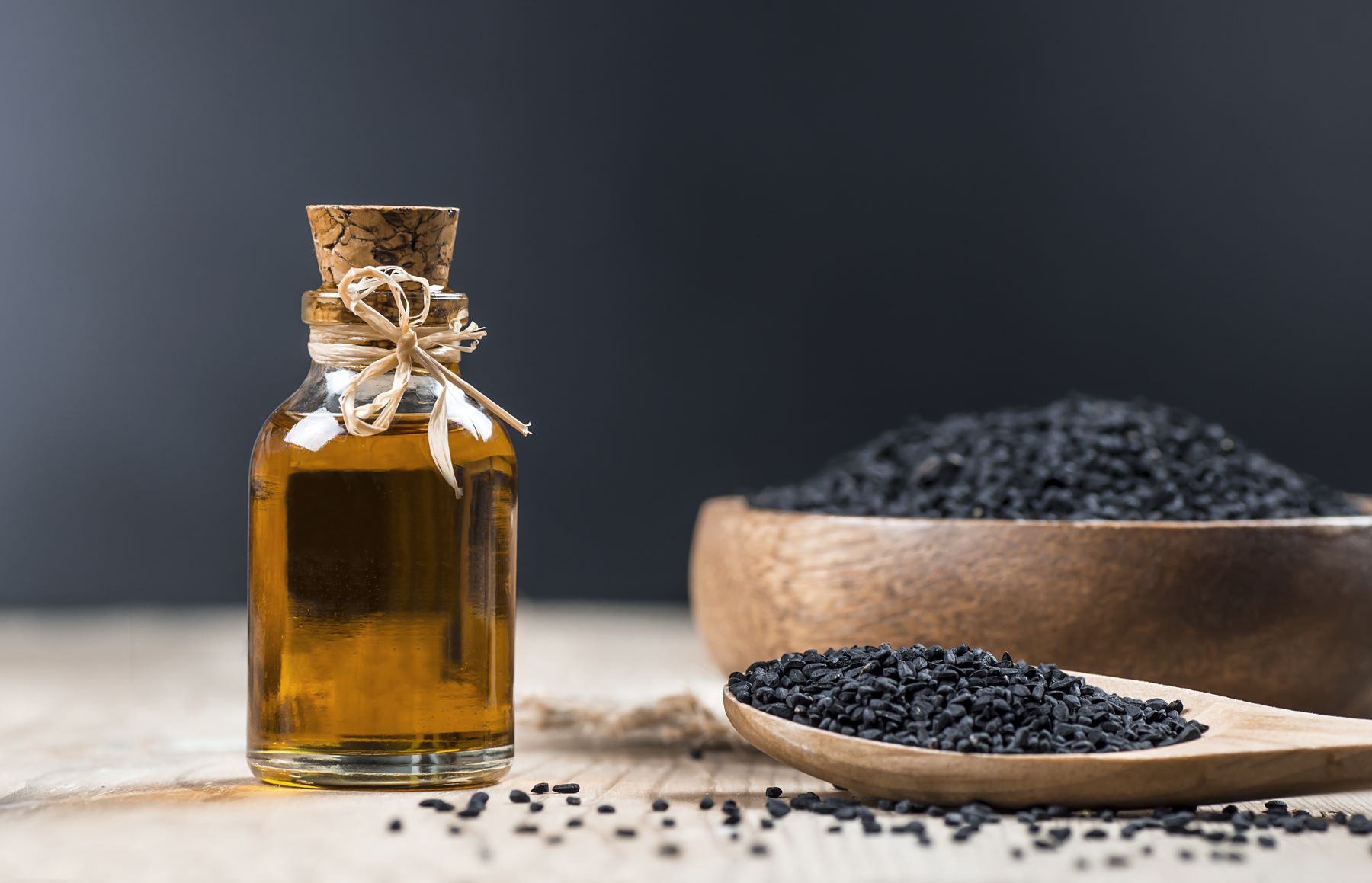
Its slightly bitter flavor, often compared to a blend of oregano and onions, makes it a popular addition to Middle Eastern and South Asian dishes.
The seeds can be lightly toasted and used whole or ground into breads, curries and savory recipes.
Some individuals consume the seeds raw or mix them with honey or water. They may also be stirred into oatmeal, smoothies or yogurt for added flavor and potential wellness support.
For those seeking a more concentrated option, Black Seed oil capsules are available in capsule or softgel form.
Kalonji may not be for everyone
Although kalonji is generally safe when used in culinary amounts, concentrated supplements or oils may pose certain risks.
There have been reports of contact dermatitis following topical application. Performing a patch test before wider use is advisable.
Some test-tube studies also suggest that kalonji and its active compounds may slow blood clotting, potentially leading to thrombocytopenia. Individuals taking anticoagulant medications should consult a healthcare professional before supplementation.
Additionally, intake beyond typical dietary amounts may be unsafe during pregnancy, and its use is not recommended at this time.
Before beginning supplementation, it is important to understand possible Black seed oil side effects and discuss any concerns with your healthcare provider.
Bottom line
Kalonji seeds are widely appreciated for both their culinary versatility and traditional medicinal applications.
Historically used to address a variety of ailments, kalonji has been linked to numerous potential health advantages, including antioxidant, anti-inflammatory and metabolic support.
However, many of these findings are based on laboratory or animal studies.
While additional high-quality human research is needed, incorporating kalonji into your diet or exploring evidence-based Black seed oil benefits under medical supervision may offer supportive health effects.






















Leave a Reply
You must be logged in to post a comment.