
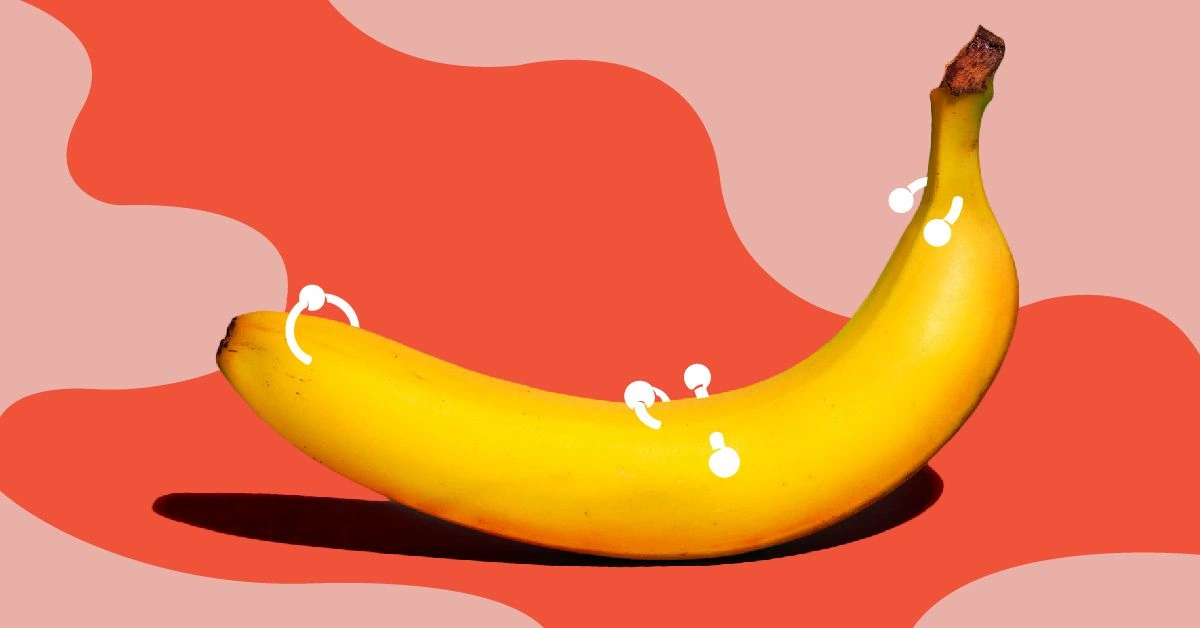
A penis piercing denotes any piercing placed in the penile shaft, glans, foreskin, or scrotum. The Prince Albert is the most commonly performed variant, though numerous styles and jewelry choices exist.
Penile piercings have been practiced for over 2,000 years. People pursue them for cultural reasons, while others choose them for sexual enhancement, self-expression, or cosmetic preference.
A penis piercing can involve jewelry inserted into the:
- glans (the tip or head of the penis)
- foreskin (the fold covering the glans if uncircumcised)
- shaft (the length of the penis)
- scrotum (the pouch containing the testicles)
There are various techniques and jewelry options used for penile piercings. While these piercings are becoming more common, they carry potential complications, some of which can be serious.
Read on to learn about the different types, possible sexual advantages, risks, and recommended aftercare for penis piercings.
Are there different types?
“Penis piercing” is a broad term covering many distinct piercings, each with its own name and placement.
The most frequently chosen penis piercing is the Prince Albert, named after Albert Francis Charles Augustus Emmanuel, consort to Queen Victoria from 1840.
This piercing is placed through the urethra (the opening for urine) and exits through the underside of the shaft just behind the glans.
Other penis piercing varieties include:
- Apadravya: a vertical piercing through the glans, usually traversing the urethra from top to bottom or the reverse
- Ampallang: a horizontal piercing through the glans, running left to right or vice versa
- Deep shaft: typically an ampallang, apadravya, or reverse Prince Albert extending down the shaft toward the base
- Dydoe/king’s crown: placed through the ridge at the base of the glans, vertically through the coronal ridge
- Foreskin: pierced through the foreskin in uncircumcised men, positioned where the foreskin covers the glans or further down the shaft
- Frenum: positioned horizontally just behind the glans beneath the shaft (the frenulum), or placed as several horizontal rows along the underside
- Guiche (perineum): runs horizontally through the perineum—the skin beneath the scrotum between the anus and the scrotal area
- Hafada (scrotal): placed anywhere on the scrotum, commonly along the scrotal raphe at the front middle
- Lorum: located horizontally or vertically where the base of the shaft meets the scrotum
- Magic cross: comprises two to three glans piercings, often forming crossing barbells with multiple beads protruding beneath the skin
- Pubic: a piece of jewelry placed through any part of the tissue at the penis base
- Reverse PA: the reverse of a Prince Albert, with jewelry entering the urethra and exiting the top of the shaft
What does it look like?
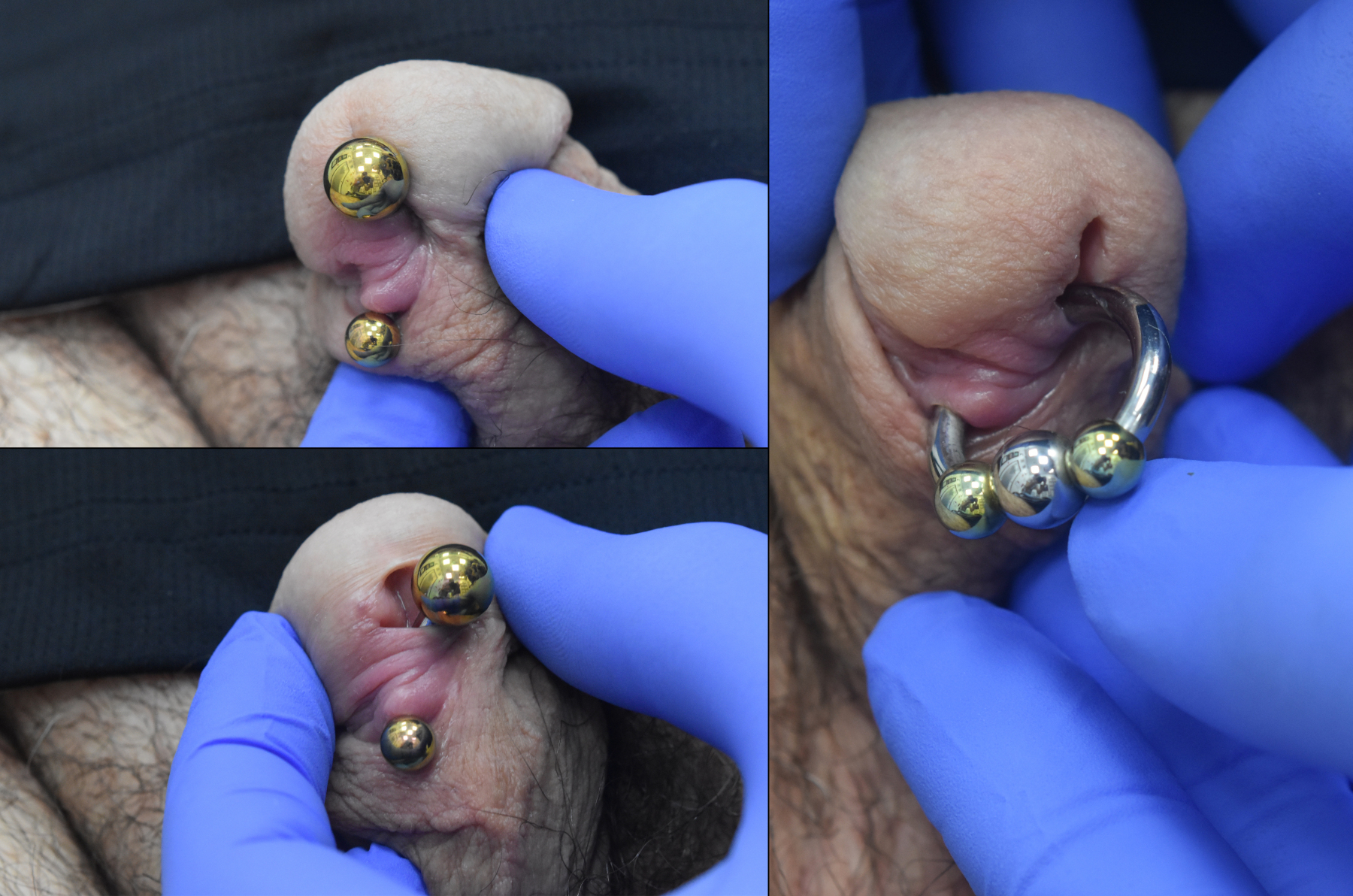
Images showing healed Prince Albert and other penile piercings can help illustrate placement and typical jewelry choices. Below is a clinical-style photo depicting a healed Prince Albert (double PA) to demonstrate placement and appearance.
Are there sexual benefits?
Certain genital piercings, including penile piercings, may offer sexual advantages for the wearer or their partner.
For your experience
Piercings placed in the glans or shaft are stimulated by movement during masturbation, oral sex, or penetrative intercourse, which can amplify sensation.
The Prince Albert is commonly noted for enhancing sexual feeling.
For your partner
Certain piercings can heighten stimulation during penetrative sex by contacting additional nerve-rich areas in the vagina, clitoris, or anus.
Examples include:
- Prince Albert
- dydoe
- ampallang
- apadravya
- frenum
- magic cross
Can anyone get a piercing?
A professional piercer can advise whether the specific piercing you want suits your anatomy. For instance, foreskin piercings aren’t possible if you’re circumcised.
A 2017 review identified several factors that raise the chance of complications after a penis piercing. These include:
- open wounds on the penis
- a tendency to bruise or bleed easily
- use of certain medications, like anticoagulants or antiplatelets
- planned surgery soon (including dental procedures)
- underlying health problems such as heart disease, valve disorders, or immune issues
A penis piercing does not impact fertility. Still, consult a healthcare provider before getting pierced so they can evaluate your individual risk of complications.
What types of jewelry are used for this piercing?
The jewelry style usually depends on where the piercing is located. A piercer may recommend one of the following:
- Circular barbell: a horseshoe-shaped ring with removable beads on each end
- Captive bead ring: a ring with a single removable bead where the ends meet
- Straight barbell: a straight rod with removable beads on both ends
Are there different jewelry material options?
Discuss material choices with your piercer from the following:
- Surgical titanium: hypoallergenic and suitable for sensitive skin
- Biocompatible polymers (plastics): flexible, durable, and safe for initial piercings
- Niobium: another hypoallergenic metal that resists corrosion better than some others
- Gold: 14-karat yellow or white gold is preferred during healing; avoid gold-plated items which can cause irritation or infection
- Platinum: very durable and stable, though pricier and less commonly available
How much does this piercing usually cost?
Expect to pay at least $50 to $60 to have a penis piercing done. A typical cost breakdown:
- Piercing service: Often $40 and up, sometimes over $100 depending on complexity and tissue sensitivity.
- Jewelry cost: Titanium or steel jewelry can start around $15; gold, diamond, or platinum pieces can cost hundreds.
- Tip for your piercer: If you received good service, consider tipping at least 20%.
How is this piercing done?
Your piercer will typically:
- Put on sterile gloves and clean and sterilize the area.
- Mark entry and exit points with a marker.
- Insert the needle through the entry and out the exit; they may ask you to breathe steadily while they do this.
- Use forceps to gently stabilize the skin while placing the jewelry.
- Clean and dress the pierced site.
Will it hurt?
Pain varies by person. What’s painful for some may be more tolerable for others.
Placement affects sensitivity. For example, the glans contains more nerve endings than the foreskin, so piercings there can be more painful.
What risks are associated with this piercing?
Genital piercings make up almost 50% of foreign-body injuries to the genital area, with the foreskin being commonly affected.
Initially, mild bleeding, soreness, and swelling are normal and expected for the first few days of healing.
However, penis piercings can lead to complications that might need medical care. The most frequent issue is infection, which can include:
- sexually transmitted infections (e.g., gonorrhea, chlamydia)
- urinary tract infections (UTIs)
- bacterial infections, such as pyelonephritis
- balanitis (inflammation of the glans)
- parasitic infestations, like myiasis
- toxic shock syndrome
- Fournier’s gangrene
Other possible complications include:
- allergic reactions to jewelry
- excessive bleeding
- trouble urinating
- urethral tears
- edema (fluid buildup)
- scar formation
- paraphimosis
- nerve or vascular damage
- erectile dysfunction
- priapism (prolonged erection)
- squamous cell carcinoma
Some piercings, particularly those through the glans or shaft, can complicate condom use. Jewelry that traverses the urethra may also puncture thin condom material.
When to seek medical care Mild swelling and irritation are common after a new piercing and usually subside within a few days. Seek medical advice if you notice signs of infection or rejection, including: intense or worsening pain; extensive swelling; unusually hot skin; greenish or yellow discharge; a foul odor; discolored, itchy bumps; jewelry shifting or falling out even after several days; or jewelry that cannot be replaced without significant effort.
How long does it take to heal?
Healing times vary by piercing type and location.
A 2017 review notes that a Prince Albert may heal in about 2 to 8 weeks, while scrotal piercings can take up to 4 months. Failure to follow aftercare instructions can extend healing time.
How to clean and care for your piercing
Proper hygiene is essential for successful healing.
During healing, do the following:
- Cover the area with a bandage and change it daily at minimum.
- Wash your hands with mild soap and warm water before touching the site.
- Rinse the piercing twice daily with distilled water and a saline solution.
- Gently remove and rinse away any crusting.
- Pat dry with a clean paper towel after rinsing.
- Avoid vigorous scrubbing in the shower; let water rinse it gently.
- Put on and remove clothing carefully.
- Use condoms or other protection (once initial pain and swelling subside) until fully healed.
Also avoid the following:
- Touching the piercing with unclean hands.
- Taking aspirin or NSAIDs for at least 7 days.
- Having sex or masturbating until initial swelling and pain decrease.
- Wearing tight underwear or clothing.
- Using alcohol-based cleansers on the site.
- Applying antiseptic rinses or harsh soaps.
- Soaking in pools or baths.
- Playing contact sports or doing activities that could jostle the penis.
- Handling or removing jewelry until fully healed (roughly 3 months).
- Allowing pubic hair to catch in the jewelry.
How long does a healed piercing last?
Like many nontraditional piercings, surrounding skin can gradually grow over and expel the jewelry, causing the piercing to close over time.
There’s no precise timeline for this; individual tissue response and care determine whether a piercing endures for months or years.
How to change the jewelry
Only change jewelry after full healing. If uncertain, consult your piercer or have them perform the change.
Safe steps to change jewelry:
- Thoroughly wash your hands with warm water and mild antibacterial soap.
- Rinse the piercing with saline solution.
- Carefully remove beads from the current jewelry.
- Gently slide the old jewelry out.
- Remove beads from the new jewelry.
- Push the new piece slowly and carefully through the hole.
- Replace beads on the new jewelry.
- Ensure the jewelry is secure and won’t come loose during movement.
- Rinse the area again with saline and pat dry.
How to retire the piercing
Avoid removing jewelry until the piercing is fully healed to reduce infection risk.
If you must remove jewelry during healing, discuss this with your piercer to confirm it’s safe.
After removing jewelry while still healing, continue cleaning the site for several weeks until tissues are healed to prevent infection or deformity.
If the piercing is fully healed, you can remove the jewelry and allow the hole to close naturally without additional measures.
The bottom line
A penis piercing encompasses any piercing of the penis, including the glans, foreskin, shaft, and scrotum. Styles and jewelry vary in appearance and may offer different sexual benefits while carrying potential risks.
Before proceeding, consult a physician about how your body might respond—particularly if you use medications or have health issues.
Choose a reputable, well-reviewed professional piercer. They can advise on optimal placement, likely risks, healing timelines, and proper aftercare.
Keep in mind that penis piercings aren’t suitable for everyone; your anatomy or skin type might not be compatible, and that’s perfectly acceptable.




















Leave a Reply
You must be logged in to post a comment.