
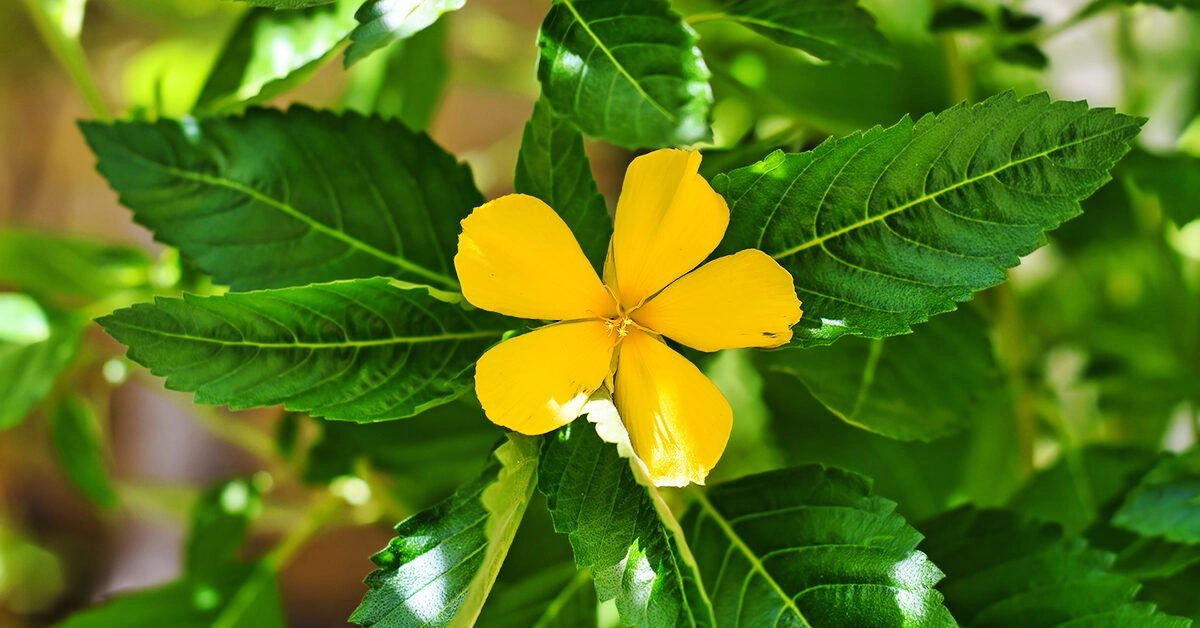
Damiana is often promoted for improving sexual wellness and addressing a wide range of complaints, from diabetes to nervousness. However, supportive evidence remains largely anecdotal rather than scientifically established.
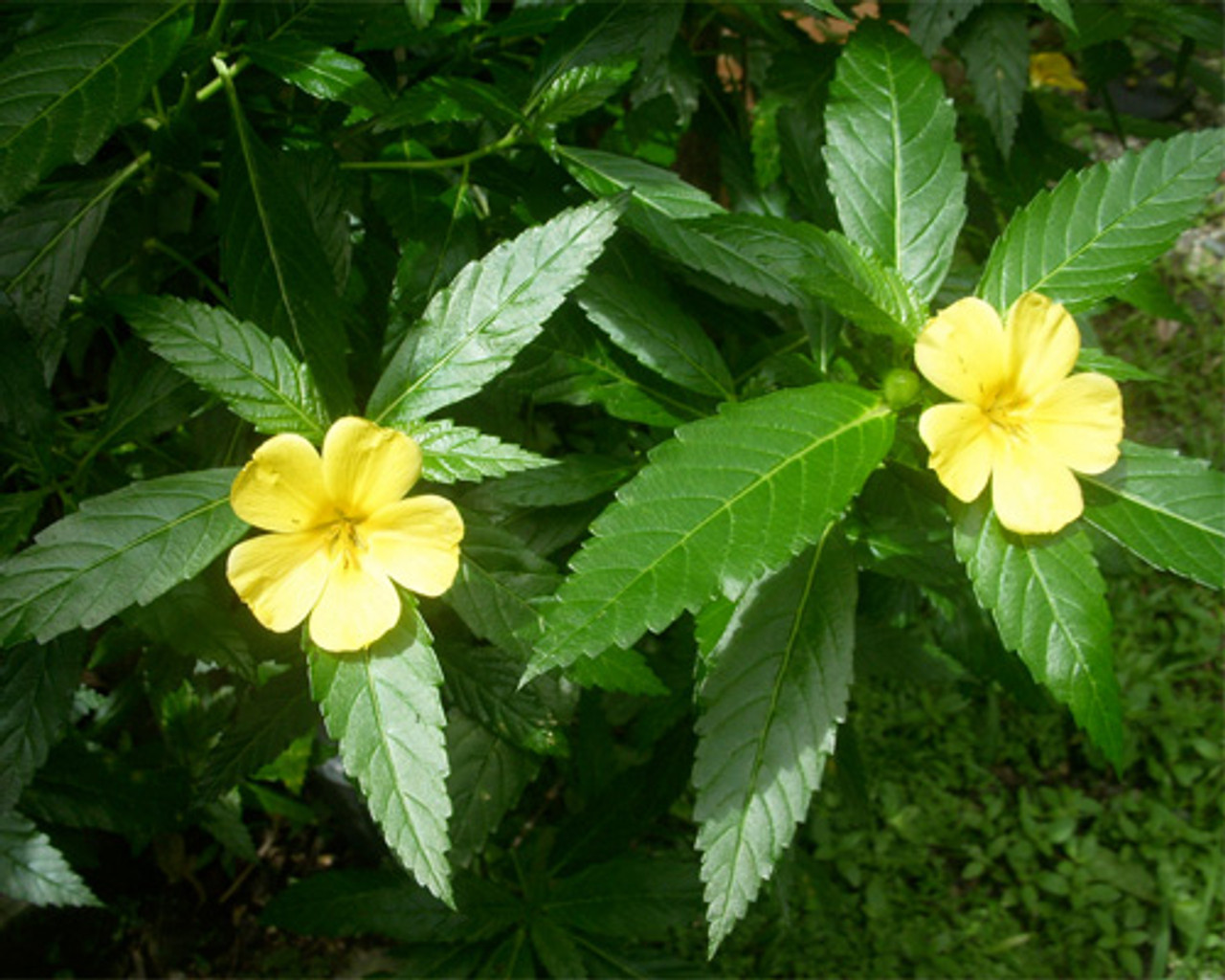
Known botanically as Turnera diffusa, damiana is a compact plant with yellow blossoms and aromatic foliage. It grows naturally in the subtropical regions of southern Texas, Mexico, Central and South America, and throughout the Caribbean. The herb’s medicinal use goes back long before written records.
When Europeans arrived in the Americas, Indigenous peoples had already relied on damiana for generations as an aphrodisiac and a remedy for bladder concerns.
Although contemporary scientific backing is limited, damiana continues to be used by many, maintaining its place in herbal traditions.
We use the terms “women” and “men” within this piece to mirror historical language typically employed when discussing sex-specific responses to illnesses. However, your gender identity may not match how your body experiences certain conditions.
What is damiana used for?
Damiana is consumed by using its leaves. The herb is often used differently by men and women: it’s believed to improve sexual desire and endurance in men, while in women it’s employed to help regulate menstrual cycles and ease menopausal complaints.
Traditionally, damiana has also been used for bladder and urinary troubles. Some individuals report beneficial sensations related to the herb’s influence on urinary function. These traditional uses, however, lack robust modern research support.
Determining whether a single herb helps with bladder symptoms can be difficult when remedies are taken orally. Drinking more fluids in general can alleviate bladder discomfort, so perceived benefit may not be attributable solely to the herb.
If you suspect a urinary tract infection, consult your healthcare provider rather than relying solely on herbal remedies.
Aphrodisiacs
Across cultures and throughout history, many items have been labeled aphrodisiacs. Foods like oysters, asparagus, and artichokes have storied reputations, and various plants or animal-derived substances (such as saw palmetto or alleged Spanish fly preparations) have also been promoted for libido-enhancing effects.
Remember that herbal products sold in the United States are not tightly regulated at the federal level. Exercise caution when evaluating herbal therapies. If you decide to try damiana for sexual purposes, review dosing recommendations below and discuss it with your clinician first.
Dosage
Dried damiana leaves are commonly available in tea bags and capsules. The herb is also marketed as tinctures (both alcoholic and nonalcoholic). Although some people smoke or inhale damiana, this practice is not recommended.
Pregnant or breastfeeding people should avoid damiana, and it is not advised for those with liver disease. At high amounts, damiana has been associated with hallucinations. If you experience hallucinations while using damiana, remain calm and seek medical attention promptly.
Follow the labeling on your damiana product for specific directions. A general guideline is up to 2 to 4 grams (g) of dried damiana in tea or capsule form taken with meals, three times daily. Individual responses differ, and hallucinations have reportedly occurred at very large doses (around 200 g).
Damiana has also appeared as a component in products marketed as “spice,” formulated to imitate cannabis-like effects. Laws governing these blends vary by state, but plain damiana itself is legal throughout the United States.
Outlook
While damiana has a long history of use as an aphrodisiac, contemporary evidence confirming its effectiveness for enhancing sexual function is limited.
Is damiana a guaranteed spark for a better sex life? Likely not. For some people, however, it may be harmless. Always talk with your healthcare provider before adding any supplements to your regimen.




















Leave a Reply
You must be logged in to post a comment.