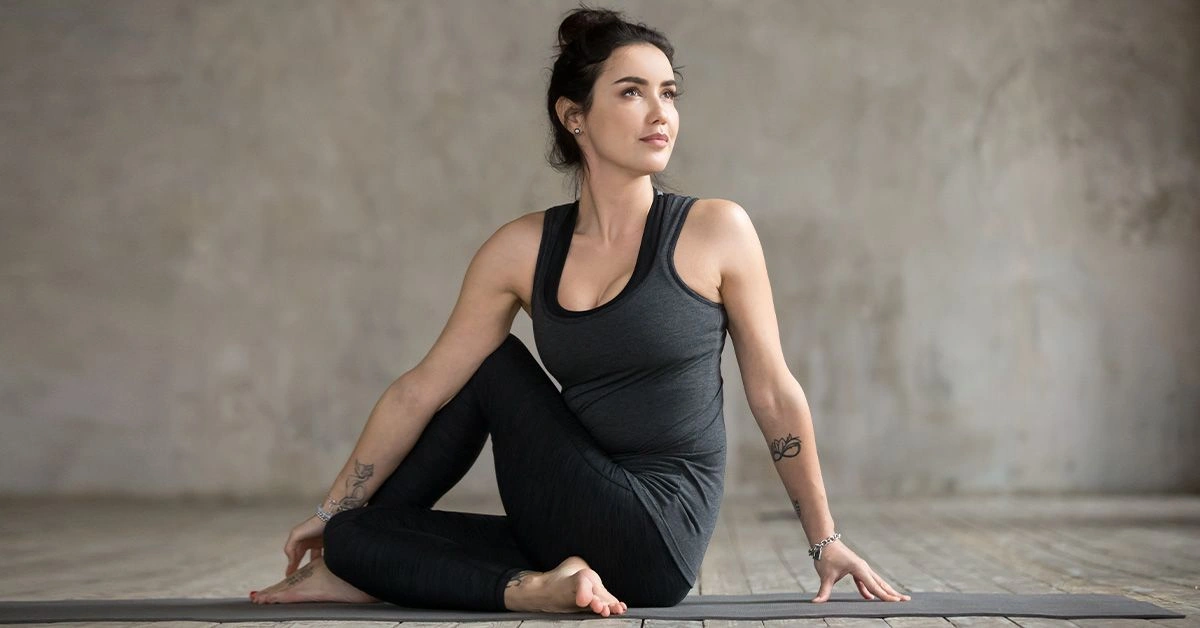
What is Gyrotonic?

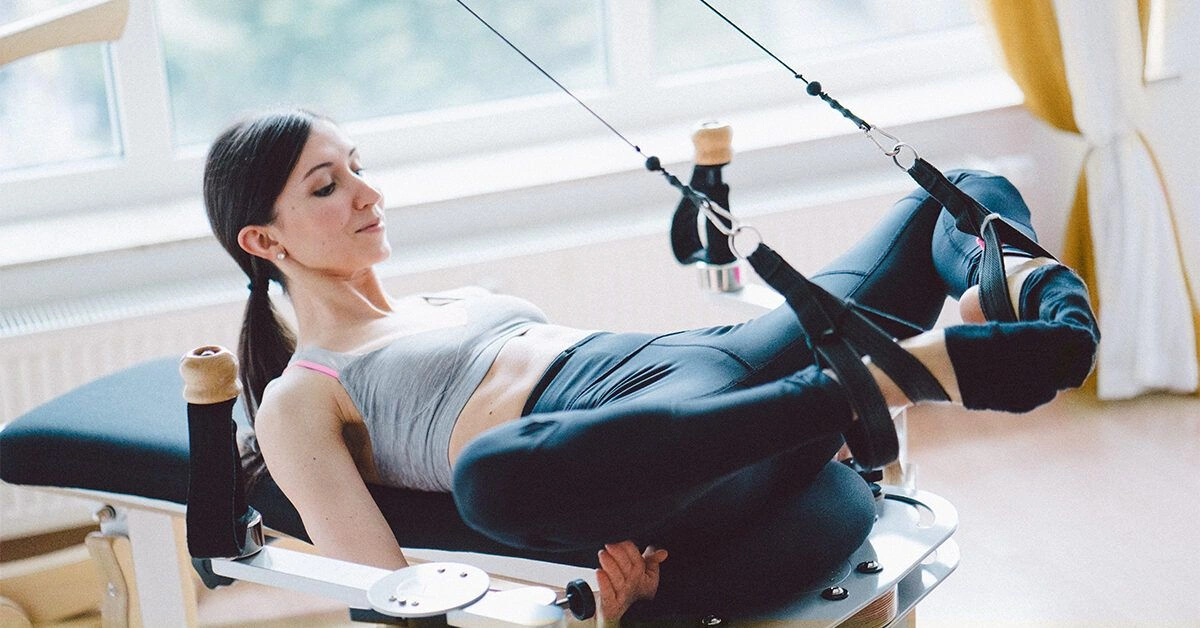
Gyrotonic is a mind-body movement system that guides the body through circular sequences and patterned motion. It’s more than a deep stretch — the practice delivers a range of additional advantages.
Gyrotonic® — not to be confused with a sandwich or beverage — is a distinctive fitness method that dates back to the early 1980s.
“Gyro” derives from the Greek for “circle” or “spiral,” and “tonic” denotes “promoting healthy muscular condition.” Given that the method emphasizes movements across multiple planes while delivering cardiovascular, strength, and mobility gains, the name suits the approach well.
Although it hasn’t reached the same mainstream recognition as yoga or Pilates, Gyrotonic attracts devoted followers from diverse backgrounds because of its profound outcomes.
It’s frequently likened to a “massage from the inside out,” or described as a blend of Tai Chi, swimming, and yoga performed on specialized apparatus.
The movements, while innate to the body, are distinctive relative to many other workout forms. They involve flowing sequences of twists, spirals, bends, and extensions performed rhythmically with the breath.

While the slogan “The Art of Exercising and Beyond®” — often shown with images of graceful, ethereal dancers — may appear lofty, the Gyrotonic system is flexible and adjustable.
Indeed, it’s gaining traction in rehabilitative contexts. Increasingly, physical therapists worldwide are becoming certified in Gyrotonic or collaborating with Gyrotonic practitioners to augment patient care.
Elite athletes like Andy Murray, Shaquille O’Neal, and Olympic runner Steven Solomon have publicly praised the method, reporting benefits for their performance. Public figures including Tracee Ellis Ross and Lady Gaga have also long championed the practice.
To explore what Gyrotonic is, the advantages it offers, and reasons to try it, read on.
What is Gyrotonic
Gyrotonic® is a singular whole-body movement method that flows in circular and spiral patterns to build strength, balance, flexibility, and more efficient movement. This exercise style prioritizes natural joint mobility, moving through complete ranges without compression or constraint.
The history of Gyrotonic
The Gyrotonic expansion system was developed by Romanian-born dancer Juliu Horvath. Following a major dance injury he immersed himself in yoga and later retreated to the mountains of St. Thomas for six years. That period marked the inception of Gyrotonic.
The initial work, known as “Yoga for Dancers,” grew from an in-depth study of yoga, meditation, and Horvath’s experiential discoveries.
Later in New York City, Juliu evolved the practice into Gyrokinesis®, refining it to make the exercises available to a wider audience. Gyrokinesis is a mat-based class that starts on a stool, moves to the floor, and concludes standing.
Gyrotonic, using dedicated equipment, was created to guide, support, and deepen the Gyrokinesis practice.
Jane Gotch, a Master Trainer and studio owner in North America, explains: “You’re not working against the apparatus. The equipment gives the nervous system, brain, and tissues a sense of support so the person can translate that support into daily life.”
The Gyrotonic equipment
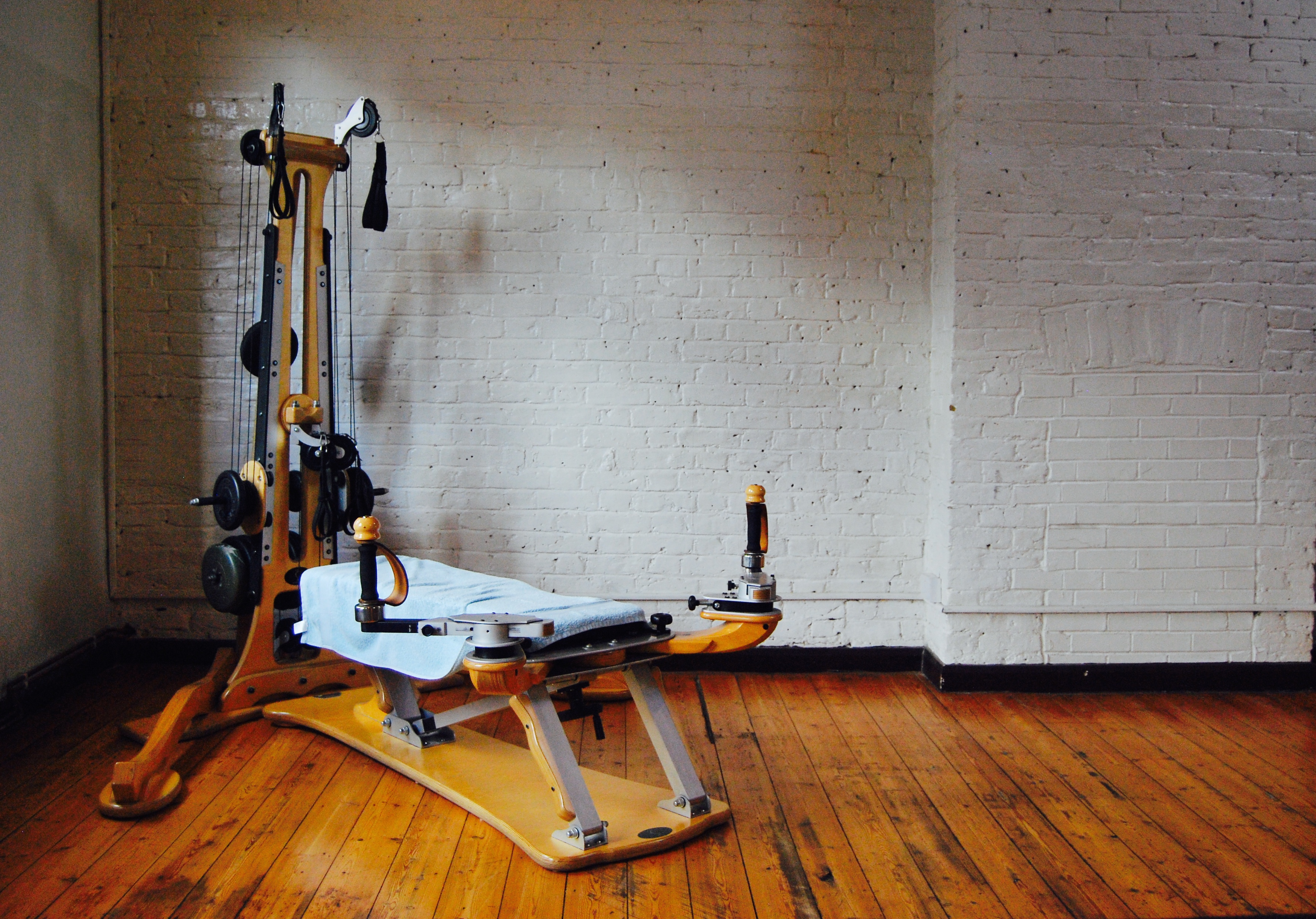
There are five pieces of specialized apparatus that enable thousands of movement variations. Many are constructed from wood, reflecting the flowing, spiral nature of the method and the human body.
The most recognizable unit is the pulley tower. It combines a bench with rotating handles at one end and a weighted cable mechanism on a tower.
Modern versions are adjustable, allowing for fully personalized sessions. Equipment settings account for movement ability and body proportions so everyone can work through their full range of motion.
The Gyrotonic movements
Gyrotonic is a multi-layered practice that can stimulate your mind, body, or both simultaneously. It’s founded on principles akin to Eastern arts like Tai Chi, highlighting the opening of the body’s energy pathways.
The method seeks to correct dysfunctional muscular and skeletal habits while improving movement efficiency. It employs slow-to-moderate repetitions and sustained tension throughout motion.
Gyrotonic mobilizes the spine through its entire range — arching, curling, and twisting — delivered in flowing sequences timed with the breath.
Crispin Redhead, Master Trainer and proprietor of Gyrotonic® Toronto, notes “it’s organic — the body wants to move this way.” Many exercises mirror the body’s natural spirals — visualize the helix of DNA as a reference.
Redhead adds, “All exercises are grounded in circular motion. We stabilize the core and then introduce sustained rotational movements, progressively warming joints and the whole body.”
Benefits of Gyrotonic
Only a limited number of clinical studies have examined Gyrotonic and Gyrokinesis, and few are recent.
Still, practitioners and teachers often report benefits such as:
- greater spinal mobility
- improved strength, flexibility, and endurance
- enhanced posture
- heightened body awareness
- better coordination
- improved respiratory capacity
- enhanced circulation
- quicker muscle recovery
- increased vitality and energy
- expanded range of motion
- healthier joint function
- reduced low back pain
- a greater sense of bodily balance
Notable research includes a 2003 clinical study showing improvements for scoliosis. More recent investigations have shown enhancements in gait patterns and reductions in chronic low back pain after implementing Gyrotonic routines.
Gyrotonic and rehabilitation
Valerie Rolf van den Baumen, PT, PTMScPT, PhD in Sport Medicine and founder of PT’Movement, reports improved outcomes since integrating Gyrotonic into her practice.
Gyrotonic is distinct in that it doesn’t segment the spine or isolate body regions. Instead, it treats the body as an integrated unit, enabling more refined movement patterns to emerge.
Rolf van den Baumen explains, “In physical therapy there are limited movements that clearly enhance motor control (how the nervous system talks to muscles).”
“When a client can perform a correct movement pattern, movement becomes pleasurable and translates into other activities effortlessly,” she says.
She points out that the Gyrotonic arch-and-curl sequence, for example, can translate into a higher-quality golf swing.
Gotch remarks, “Our primary objective is spinal function and health because everything begins there — from nerves and internal organs to how muscles and tissues activate.” With alarming rates of low back pain affecting economic and health outcomes, Gyrotonic could be a practical treatment option.
How does it compare to Yoga and Pilates?
Yoga, Pilates, and Gyrotonic are all mind-body systems that have surged in popularity. Yet, while they share similarities, they are distinctly different.
Yoga transitions through static poses to prepare the mind and body for a spiritual experience. Pilates emphasizes the core, posture, and correcting muscular imbalances. Gyrotonic centers on the fascia, nervous system, and skeletal alignment.
Pilates isn’t entirely static, but in terms of flow it cannot match the multidirectional, continuous sequences of Gyrotonic. Gyrotonic advances through repetition and rhythm. Pilates typically includes fewer repetitions, and many yoga practices involve holding postures.
Yoga predates the other two approaches, and both Joseph Pilates and Juliu Horvath drew from yoga in their training. Consequently, Pilates and Gyrotonic both offer comprehensive mat repertoires, but resistance work on equipment is what sets them apart from yoga.
Even so, feedback from a Pilates reformer and a Gyrotonic pulley tower feels different: Pilates uses springs, while Gyrotonic relies on pulleys and weights.
Gotch adds, “I appreciate the movement capacity and freedom that the Gyrotonic pulley tower affords. It creates a floating, suspended sensation that benefits the autonomic nervous system.”
What to expect from your first gyrotonic session
What should you expect in an initial session?
Because of the specialized equipment, most Gyrotonic lessons are conducted one-on-one. Some urban studios, particularly in cities like New York, have multiple machines for group sessions, and Gyrokinesis classes are available on stool and mat.
Regarding the structure of movements, both Redhead and Gotch say it’s tailored to the individual and their present condition. You may discover surprising capabilities in your body.
Redhead notes, “At first the body feels lengthened and stretched, but achieving the full benefits requires deeper work and patience.” Gotch has observed people watching and remarking, “That looks like it would feel nice.”
Who should try Gyrotonic?
Everyone — according to the experts. Gyrotonic provides options for people of any ability level, body type, or age.
An experienced Gyrotonic instructor can scale and adapt exercises to match someone’s needs.
Try Gyrotonic whether you want to enhance general wellness, are an elite athlete seeking performance gains, or are recovering from injury.
With exercises performed in standing, sitting, kneeling, supine, elevated, or even from a wheelchair, Gyrotonic offers numerous ways to mobilize the body.
The bottom line
Gyrotonic is a layered exercise method that is adaptable and accessible to a wide range of people.
Both as a mind-body practice and a rehabilitative approach, Gyrotonic’s popularity continues to expand. Hopefully, further research into its benefits will appear in the years ahead.
Meanwhile, Gyrotonic is worth considering for long-term health and vitality. As with any new fitness routine, consult your healthcare provider before beginning and seek guidance from a certified instructor.
With proper instruction, you might find benefit from Gyrotonic’s spiraling sequences, too!
Frequently Asked Questions
Gyrotonic is a whole-body movement system using circular, spiral patterns and specialized apparatus to improve mobility, strength, coordination, and spinal function.
Unlike yoga’s static poses or Pilates’ core-focused repetitions, Gyrotonic emphasizes continuous multidirectional, flowing sequences and uses pulley-based equipment to guide rotational and spiraling movements.
Gyrotonic is adaptable for most ages and abilities. Instructors scale exercises for beginners, athletes, and people undergoing rehabilitation, including seated or wheelchair-accessible options.
Reported benefits include greater spinal mobility, improved posture, increased flexibility and strength, better coordination, enhanced breathing, and reduced chronic low back pain.
Expect a one-on-one, guided session using specialized equipment set to your body. The instructor tailors movement patterns to your needs, focusing on breath, flow, and safe range of motion.

Related Posts

8 Alternatives to Leg Extension Exercises
Sep 14, 2026 • 20 min read
Resistance Band Chest Workout: 7 Exercises You Can Do Anywhere
Sep 14, 2026 • 20 min read
6 Resistance Band Exercises for Shoulders
Sep 19, 2026 • 36 min read
Try the Superman Exercise to Stand Tall and Proud
Sep 18, 2026 • 32 min read
The Best Alternatives to the Leg Press
Sep 18, 2026 • 12 min read