

The human papillomavirus (HPV) is a widespread viral infection, affecting roughly one in four individuals in the United States.
This virus spreads through skin-to-skin or close intimate contact (including direct sexual activity such as vaginal, anal, or oral sex) and often resolves without intervention. However, certain strains can lead to cervical cancer.
At present, there is no cure for HPV, although its manifestations can be managed. Some HPV types do clear spontaneously.
Vaccines are also available to help prevent infection with high-risk strains.
What are the symptoms of HPV?
What are the symptoms of HPV?
The most frequent sign of an HPV infection is warts. For many people, this means genital warts.
These may present as flat patches, small stalk-like growths, or tiny cauliflower-shaped bumps. They can itch but typically don’t produce significant pain or discomfort.
In people with vaginas, genital warts commonly appear on the vulva, but can also be found inside the vagina or on the cervix. In people with penises, they occur on the shaft and scrotum.
Individuals of any sex may develop genital warts around the anus.
Although genital warts are often what people think of first, HPV can cause other wart types, including:
- Common warts. These rough, raised nodules appear on the hands, fingers, or elbows. They may be painful and can sometimes bleed.
- Flat warts. These small, slightly elevated dark lesions can show up anywhere on the skin.
- Plantar warts. These firm, grainy growths typically form on the ball or heel of the foot and can be uncomfortable.
- Oropharyngeal warts. These lesions of varying shapes and sizes may develop on the tongue, cheek, or other oral surfaces and are usually not painful.
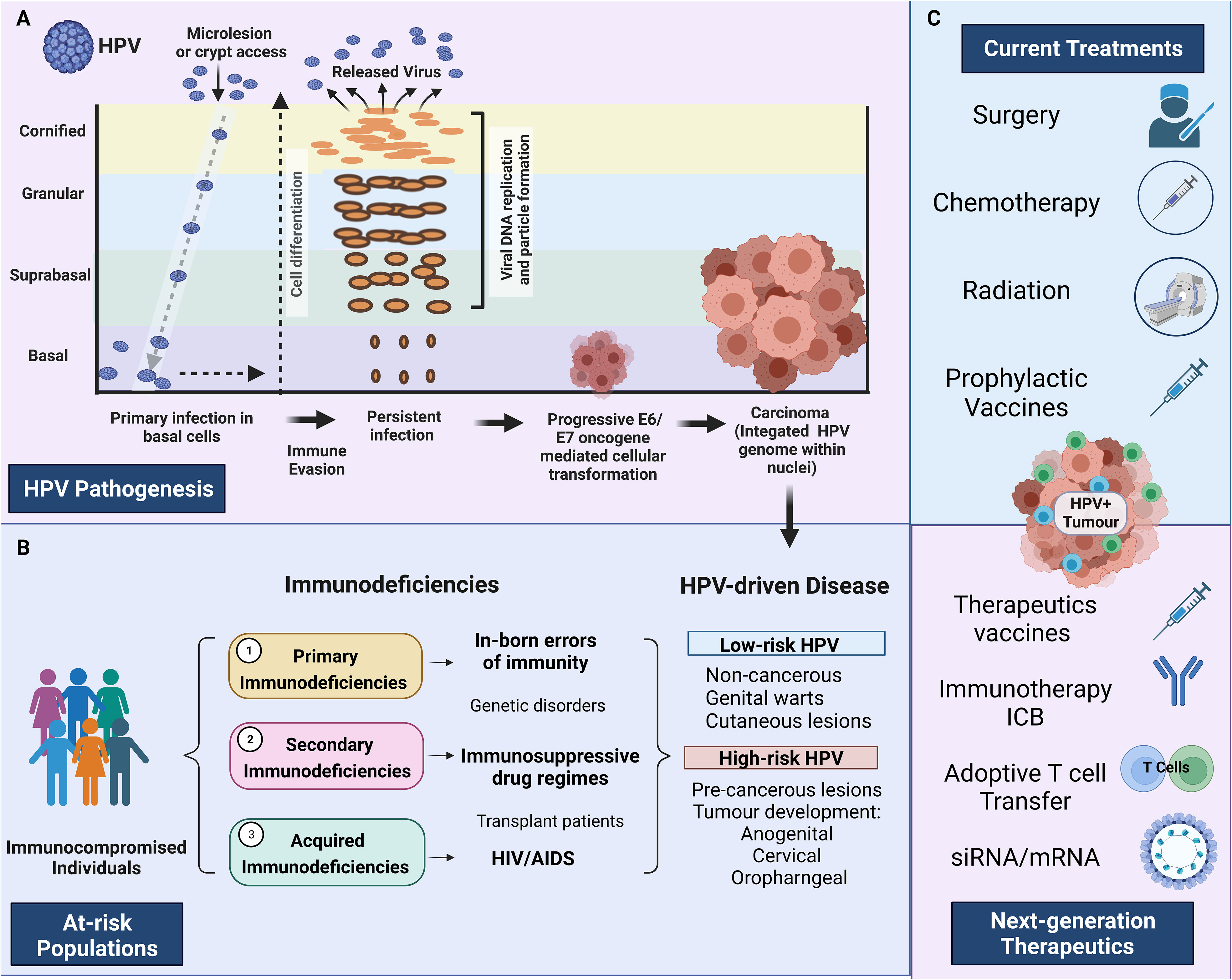
Certain HPV strains raise the chance of developing cancer, particularly in people with weakened immune systems.
Most HPV infections are asymptomatic and resolve on their own. However, two strains — HPV-16 and HPV-18 — are the primary contributors to cervical lesions and cancer, though other types can also lead to cervical cancer.
Depending on immune status, progression to cancer may take anywhere from 5 to 20 years.
Cervical cancer often has no symptoms until it has advanced. Late-stage signs of cervical cancer can include:
- irregular bleeding, spotting between periods, or abnormal bleeding after sex
- pain in the legs, back, or pelvis
- vaginal pain
- foul-smelling discharge
- weight loss
- loss of appetite
- fatigue
- swelling of a single leg
HPV can also contribute to cancers in other areas, including the:
- vulva
- vagina
- penis
- anus
- mouth
- throat
Is there a cure for HPV?
There is no cure for HPV. However, most infections resolve spontaneously. If you think you have HPV, you should still see a healthcare provider. They can manage your symptoms and may ask you to return for repeat testing after a year to determine whether the infection persists.
During follow-up testing, if cellular changes are detected, your clinician will determine whether additional evaluation or treatment is needed. HPV can be identified during a vaginal or anal pap test.
Although the virus itself is not curable, warts caused by HPV can be treated. Some warts resolve without treatment, but clinical evaluation helps identify the most appropriate approach. Wart therapies range from cryotherapy or electrosurgery to over-the-counter medications and prescription topical agents.
If precancerous or cancerous cervical cells are found, a doctor may remove them using one of these techniques:
- cryotherapy
- surgical conization, removing a cone-shaped section of tissue
- loop electrosurgical excision, which removes tissue with a heated wire loop
Similar removal methods can be used for precancerous or cancerous lesions on other body sites, such as the penis.
Natural remedies for HPV
Active hexose correlated compound (AHCC)
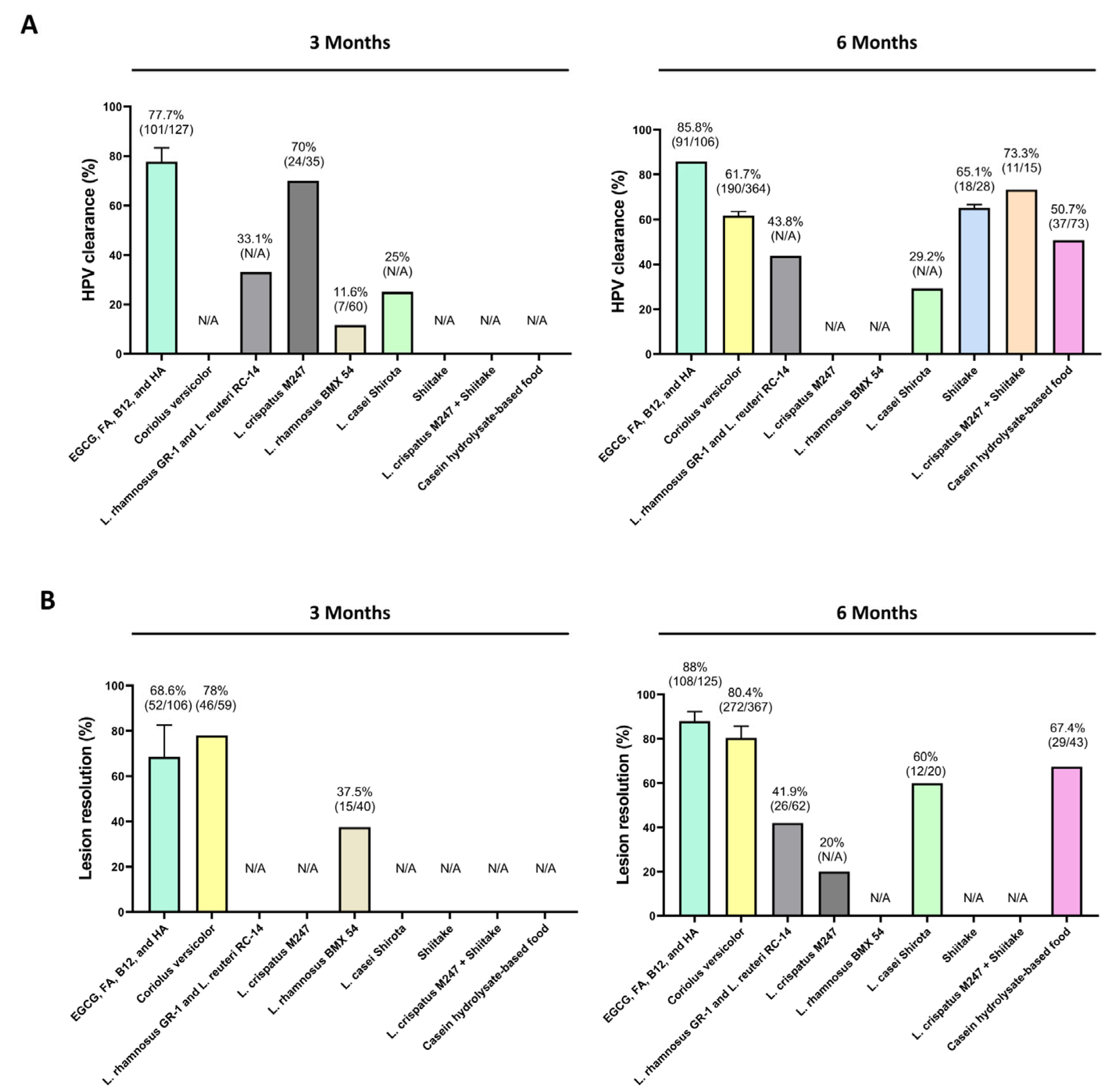
Early studies and clinical trials indicate that AHCC, an extract from shiitake mushrooms known as active hexose correlated compound, might help clear HPV. Still, more research is required to confirm the effectiveness of such natural treatments.
A 2014 pilot study examined AHCC’s impact on HPV clearance. AHCC is a dietary supplement derived from parts of the shiitake mushroom and is often combined with other ingredients to support immune function.
This trial yielded mixed outcomes: of 10 women, 3 cleared the virus, 2 showed reduced viral levels, and 5 did not clear the infection.
The research continued into a phase 2 clinical trial beginning in 2015 and finishing in 2019, which also reported mixed findings. Four of six participants demonstrated confirmed high-risk HPV clearance after 3–6 months of AHCC. Likewise, 4 of 9 patients showed confirmed HR-HPV clearance after 7 months of AHCC.
A confirmatory phase 2 trial is currently underway.
Folate (vitamin B9)
Folate is a vitamin often linked with cervical health. It plays a major role in DNA synthesis and repair and in producing red blood cells. Folate is abundant in foods like dark green leafy vegetables.
A 2021 study found that folate and vitamin B12 are important in reducing the risk of infection with HPV-16 and lowering the likelihood of an associated cervical precancer (cervical intraepithelial neoplasia, or CIN).
Vitamin C
Vitamin C contributes to many bodily functions, particularly supporting the immune system. A 2020 study assessing whether vitamins could reduce the risk of HPV and related cervical cancers suggested that vitamin C may help diminish an existing HPV infection and might slow the progression to CIN and cervical cancer.
Overall, while promising, natural approaches to HPV require further study. There are, however, established methods to treat and prevent HPV-related issues.

How to treat HPV
Although no cure exists for HPV itself, there are treatments for the medical problems it can cause.
Many warts resolve spontaneously, but if you don’t want to wait, they can be removed using various methods and products, such as:
- topical creams or solutions
- cryotherapy, which freezes and removes tissue
- luster therapy
- surgery
Wart removal isn’t one-size-fits-all. The best approach depends on factors like the wart’s size, number, and location.
Treatments for genital warts
Do not use over-the-counter wart products for genital warts. Depending on type and location, a clinician might recommend:
- cryotherapy, using liquid nitrogen to freeze warts
- electrocautery, using electrical current to destroy warts
- laser or light-based therapy to remove targeted tissue
- surgical excision under local anesthesia
Treatment for common warts
Common warts can often be treated with OTC salicylic acid preparations, but these products should not be used in the genital area. Some warts may require surgical treatment.
A clinician might prescribe one of these medications for common warts:
- imiquimod (Aldara, Zyclara)
- podofilox (Condylox)
- trichloroacetic acid
- podophyllin
Treatments for flat warts
Flat warts typically fade without intervention, though treatment can accelerate clearance.
If treatment is chosen, doctors often prescribe topical irritant creams that cause the skin to peel away, removing the wart. Examples include:
- tretinoin 0.05 percent cream (AVITA, Refissa, Retin-A, Tretin-X)
- imiquimod 5 percent cream (Aldara, Zyclara)
- topical 5-fluorouracil (Carac, Efudex, Fluoroplex, Tolak) in 1 percent or 5 percent preparations
Treatments for oropharyngeal warts
Oropharyngeal warts, such as those on the tongue, usually resolve with time, though this may take months or even years.
If you want faster removal, consult a physician, dentist, or dermatologist about managing persistent oral warts. Options may include cryotherapy or electrosurgery.
Frequently asked questions
How can I prevent HPV?
Using protection during sex and practicing safer sex can reduce HPV transmission.
The Gardasil 9 vaccine is another preventive tool that helps protect against genital warts and cancers caused by HPV. It guards against nine HPV types associated with cancer or genital warts.
The CDC advises routine HPV vaccination for preteens around 11 or 12 years old, with two doses given at least six months apart to ensure protection before likely exposure.
People aged 15 to 26 may receive vaccination on a three-dose schedule. Since 2018, individuals aged 27 to 45 who were not previously vaccinated are now eligible for Gardasil 9.
Regular medical check-ups, screening tests, and pap smears are also important preventive measures.
Who should get tested for HPV?
Clinicians typically recommend HPV testing for people with vaginas aged 21 to 29 only if they have an abnormal pap smear.
Those aged 21 to 29 should receive routine pap smears. While pap tests do not identify HPV directly, they can detect abnormal cervical cells, which may indicate HPV-related changes.
If a pap result is abnormal, your provider will decide whether an HPV test is necessary. People with a history of HPV or prior cancerous or precancerous lesions may receive HPV testing alongside a pap smear.
Vagina owners aged 30 to 65 are advised to have an HPV test every 5 years in combination with a pap smear.
There is currently no standard HPV test for people with penises, though they can carry and transmit the virus unknowingly.
Some clinicians perform anal pap testing for people with penises, typically for those who are HIV-positive and have a history of receptive anal sex.
HPV testing can be done during an anal pap smear, but it may not be sufficiently reliable for detection in all cases.
How can I get tested for HPV at home?
At-home HPV kits are available but are relatively new; they do not detect all HPV strains and are not FDA-approved.
These kits provide a more private option for testing and can be bought online for about $90 and up.
Follow the kit’s instructions to collect a sample and send it to the lab. If the result is positive, contact your healthcare provider for follow-up.
The bottom line
HPV is a common infection that usually clears on its own. Certain strains can, however, progress to more serious conditions like cervical cancer.
There are no definitive cures for the virus itself, whether medical or natural, but the symptoms and complications it causes can be treated.
If you have HPV, practicing safer sex helps reduce spread. If you haven’t had HPV, maintain routine screenings and vaccinations to protect against the virus and related cervical cancers.





















Leave a Reply
You must be logged in to post a comment.