

Pain in your anus can develop from prolonged sitting, injury, pregnancy, or various underlying health conditions. Addressing the root cause is often the most effective way to ease discomfort and understand How to stop anus pain immediately using safe, practical strategies.
Anus pain, medically referred to as proctalgia, can stem from many different triggers. The anus is the opening at the end of your large intestine, located within the buttocks at the rectum. It represents the final segment of the gastrointestinal (GI) tract.
Surrounding the anus are sphincter muscles that tighten and relax to control bowel movements. Nearby structures include your tailbone (coccyx), the last bone of the spine, along with numerous sensitive nerves. Because of this complex anatomy, even mild irritation or pressure can lead to significant discomfort.
Below, you’ll learn about common causes of anal pain, practical home care options, available medical treatments, and prevention strategies to reduce the likelihood of recurrence.
.png)
What can cause my anus pain?
Anal pain may arise from a wide range of conditions, varying from minor irritation to more serious medical concerns.
1. Sitting for a long time
Remaining seated for extended periods, especially on firm or hard surfaces, can trigger temporary anal pain due to sustained pressure on the anal muscles and nerves. In some cases, even short periods of sitting on a rigid chair may cause lingering discomfort that lasts for hours after standing.
Typically, this type of pain resolves without medical intervention.
However, if the discomfort continues for several days after prolonged sitting, consult your doctor. They may assess for injury to the anal muscles, tailbone, or surrounding tissues.
2. Diarrhea
Diarrhea occurs when you pass watery, loose stool more than three times in a single day. It can result from dietary changes (such as dehydration or insufficient fiber intake) or infections including gastroenteritis, colitis, or diverticulitis.
Frequent bowel movements can leave the anus tender and irritated. Repeated wiping may further aggravate the area, causing rawness or even minor bleeding.
Other diarrhea symptoms include:
- bloating or excess gas
- lower abdominal cramping
- nausea
- difficulty controlling bowel movements
Diarrhea often resolves on its own. Seek emergency medical care if you experience:
- diarrhea lasting more than two days
- fever
- blood in your stool
- black or discolored stool
- loss of consciousness
3. Injury
A fall onto your buttocks can injure the muscles, bones, or nerves surrounding the anus. A sudden impact on a hard surface may bruise or damage skin, muscle tissue, or nerve endings, and in severe cases, fracture bones.
These injuries commonly occur during contact sports like football or soccer, or activities such as skateboarding, rollerblading, or gymnastics.
Depending on severity, pain may radiate from the anus toward the lower back and present as a constant ache or throbbing sensation. Bruising on the buttocks may also appear.
Get immediate medical attention if:
- the pain is sharp and persistent
- you cannot walk or stand without intense pain
- you lose sensation in your lower back or one or both legs
4. Fissures
Anal fissures occur when the delicate anal lining tears, most often from passing very hard or large stool. Pain is usually sudden and sharp at first, and the area may remain sore for hours or even days until healing occurs.
Symptoms of an anal fissure include:
- sudden, unusual pain in or around the anus during bowel movements
- bleeding from the anus, especially when wiping
- pain lasting for hours after passing stool
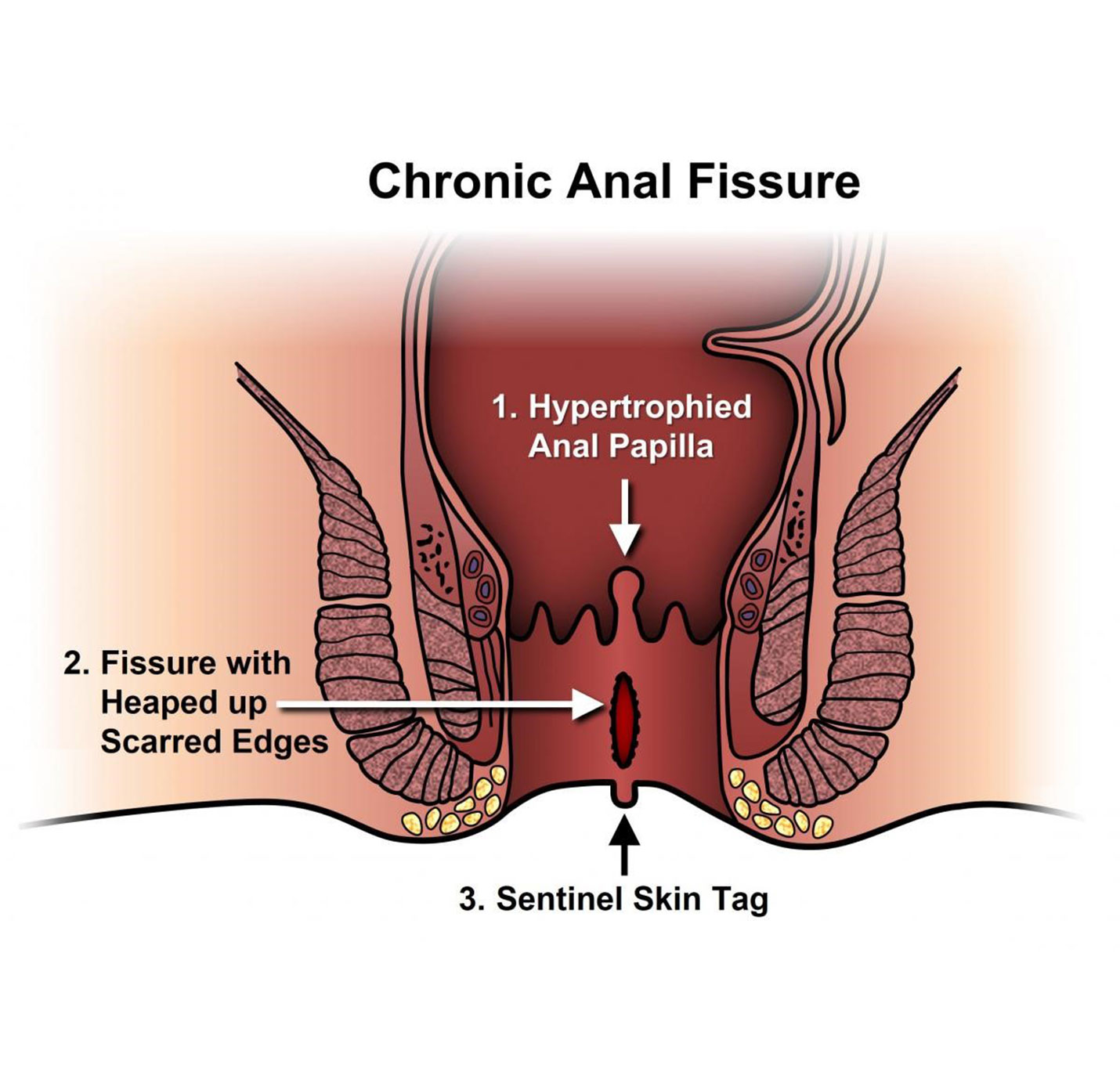
Not all fissures require urgent treatment. However, see your doctor if symptoms persist or significantly worsen when sitting, walking, or having a bowel movement.
5. Hemorrhoids
Hemorrhoids develop when anal blood vessels become swollen, often due to straining during bowel movements or constipation.
You may feel a small lump near the anus. Pain can range from dull and aching to sharp, particularly while sitting. Some people find relief only when using a cushion. In mild cases, symptoms may be minimal.
Common symptoms of hemorrhoids include:
- ongoing pain, soreness, or itching around the anus
- bleeding during bowel movements
- sharp pain if a clot forms within the hemorrhoid
While hemorrhoids may resolve without treatment, severe cases may require medical care. Contact your doctor promptly if you:
- have difficulty passing stool
- cannot sit due to severe pain
- notice blood in your stool
6. Menstruation
Menstruation can sometimes trigger anal discomfort alongside other digestive symptoms.
Your rectum and anus may be more sensitive during this phase of your cycle. As a result, the area may feel tender or sore. Period-related diarrhea and bloating can further intensify the discomfort.
These symptoms typically improve once your menstrual cycle ends.
7. Anal spasms (proctalgia fugax)
Anal spasms involve sudden, sharp anal pain caused by involuntary anal sphincter muscle contractions. This condition is relatively common. A 2013 review estimates it affects between 8 and 18 percent of people.
The exact cause remains unclear. It is more likely to occur in individuals with irritable bowel syndrome (IBS) or anxiety, and after procedures such as hemorrhoid surgery or hysterectomy.
What about pregnancy can cause anus pain?
During pregnancy, the expanding uterus places additional pressure on the anus and rectum. This can result in discomfort or pain. The added strain may also contribute to hemorrhoids.
Anal pain is especially common in the third trimester, when the baby is larger and exerts more pressure on pelvic nerves. Labor contractions can also produce temporary anal pain.
What are some home remedies for anus pain?
In many situations, at-home care is enough to relieve symptoms and support healing. If you’re searching for How to stop anus pain immediately, combining gentle care with targeted remedies can be effective. You may also explore additional guidance in Pain in anus hole home remedies for supportive options.
- Take a sitz bath. Purchase a sitz bath from a pharmacy or online and place it over your toilet bowl. Fill it with warm water and Epsom salt, then sit so the water covers your anal area. Soak for 15 to 20 minutes to soothe irritation.
- Apply over-the-counter (OTC) creams or ointments. Products containing lidocaine or cortisone can reduce discomfort and promote healing of inflamed skin.
- Use a cold compress. Wrap an ice pack or frozen vegetables in a towel and gently apply to the area for 20 minutes, three to four times daily.
- Take OTC pain medicine. Ibuprofen (Advil, Motrin) or acetaminophen (Tylenol) can temporarily ease pain while tissues recover. In some cases, your doctor may recommend an Anus pain relief tablet for more persistent discomfort.
Maintaining soft stools through proper hydration and fiber intake can also significantly reduce strain and irritation.

When to see your doctor
Seek emergency medical care if:
- anal pain prevents you from walking, sitting, standing, or passing stool
- you observe blood in your stool
- you develop a fever
- you are severely dehydrated
- you cannot eat or have a bowel movement
Medical management depends on the underlying cause and symptom severity.
Treatment for injuries
X-rays or additional imaging may be required to evaluate damage to the tailbone or spine. Significant spinal injuries might require surgery or extended rehabilitation to restore mobility.
Treatment for diarrhea
Severe dehydration may necessitate intravenous fluids (IV). If diarrhea is linked to a condition such as IBS or Crohn’s disease, your doctor may prescribe medication or a tailored treatment plan to manage symptoms.
Treatment for a fissures
Chronic anal fissures may need surgical intervention to allow bowel movements without damaging sphincter muscles. Increasing dietary fiber is often recommended to make stool easier to pass.
Treatment for hemorrhoids

Your doctor may use rubber band ligation to shrink the hemorrhoid. Surgical removal or freezing are additional options. In severe cases, a hemorrhoidectomy may be necessary to remove affected tissue and blood vessels.
How to prevent anus pain
Although prevention isn’t always possible, certain habits can lower your risk:
- Stay hydrated. Drink at least 64 ounces of water daily to support smoother bowel movements.
- Maintain proper posture. Sit upright with your back straight and knees bent at a 90-degree angle.
- Stand and move regularly. Get up at least every 30 to 50 minutes to reduce prolonged pressure on anal nerves and muscles.
- Avoid straining during bowel movements. Straining increases the risk of hemorrhoids and fissures.
- Eat a balanced, fiber-rich diet. Adequate fiber helps prevent constipation.
- Wear breathable underwear. Choose 100 percent cotton to reduce moisture and irritation.
- Use moist wipes or water instead of dry toilet paper. This can minimize skin irritation and microtears.
- Avoid unsafe food and water. Contaminated sources may cause diarrhea and subsequent anal soreness.

What’s the outlook?
Anal pain can result from many causes, ranging from minor irritation to more serious medical issues.
If discomfort is mild and subsides quickly, it’s usually not a cause for concern. However, if pain lasts more than a few days or occurs alongside other troubling symptoms, consult your doctor promptly for proper evaluation and treatment.




















Leave a Reply
You must be logged in to post a comment.