

Key takeaways
• Eczema symptoms may linger for several weeks. Acute episodes can improve with appropriate treatment, while chronic eczema often involves repeated flare-ups over a lifetime.
• Taking preventive steps—such as identifying and avoiding triggers, maintaining skin hydration with moisturizers, and managing indoor heat and humidity—can lower the risk of flare-ups.
• Treatment for eczema depends on individual triggers and may include antihistamines, allergy shots, biologic therapy, phototherapy, and supportive home remedies like oatmeal baths.
For some individuals, eczema is a chronic (lifelong) skin condition, and flare-ups may take a few weeks to calm down even with treatment. Others—particularly children—may notice that symptoms gradually lessen as they grow older.
Although a specific eczema rash may not remain continuously, you may have a greater chance of experiencing flare-ups when exposed to triggers (substances that provoke symptoms).
How long do eczema flare-ups last?
Eczema flare-ups can persist anywhere from a few days to a few weeks. The exact recovery time depends largely on the underlying trigger and how promptly and effectively it’s treated.
For instance, symptoms caused by an irritant may settle relatively quickly once the irritant is eliminated. In contrast, allergic triggers can lead to longer-lasting inflammation and more stubborn rashes.
A healthcare professional can help you develop strategies to manage flares and potentially shorten healing time. Keeping track of how long your symptoms last is important, as consistently prolonged episodes may indicate that your current eczema treatment plan needs to be adjusted.
Does eczema ever go away?
There is currently no known cure for eczema, and rashes typically do not resolve on their own without intervention. For many people, eczema is a long-term condition that requires careful trigger avoidance and consistent skin care to reduce flare frequency.
Age can influence symptom patterns. About 60% of individuals with eczema develop it during infancy. Children who experience eczema may find that symptoms become milder or less frequent as they age.
Eczema stages
Eczema generally progresses through three stages, each associated with different changes in the skin barrier:
- Acute: This short-term phase often follows contact with an irritating substance. Acute eczema typically lasts several weeks while the skin repairs itself.
- Subacute: Considered part of the healing process, this stage may still involve redness and mild itching. Without proper care, it can revert to a more intense rash.
- Chronic: The most common stage, frequently developing before age 12 months old. Chronic eczema can persist throughout life, with intermittent flare-ups. Childhood cases, however, may improve over time.
How to prevent eczema flare-ups
Although eczema cannot be cured, you can decrease the likelihood of flare-ups by following preventive strategies that support skin health and minimize exposure to triggers.
Avoid your triggers
The most effective way to reduce flare-ups is to steer clear of known triggers whenever possible. These may include allergens, certain chemicals, fragranced products, or specific fabrics.
Emotional stress and hormonal changes can also contribute to flare-ups or intensify symptoms.
If you’re unsure about your triggers, reflect on recent exposures—such as new skincare products, detergents, foods, or environments—prior to the onset of a rash. Identifying patterns can help you and your healthcare provider tailor a prevention plan.
Protect your skin
Maintaining a healthy skin barrier is essential. Apply a fragrance-free, preservative-free moisturizer regularly, especially after bathing, to lock in moisture and reduce dryness.
If you have open or cracked areas, cover them with appropriate bandages to protect against irritation and infection.
It’s also important to resist scratching. Scratching eczema lesions triggers the release of inflammatory mediators, which can worsen redness, dryness, and itching. This cycle—often called the itch-scratch cycle—can prolong flare-ups and delay healing.
Control the heat and humidity
Eczema-prone skin may react to environmental conditions. Although rashes can feel dry, symptoms often intensify in hot and humid settings. Keeping indoor spaces cooler and moderately dry may help prevent flare-ups.
Conversely, some individuals experience worsening symptoms during cold, dry winter months. In such cases, using a humidifier can help maintain balanced indoor moisture levels and reduce skin dryness.
Body heat can also aggravate eczema. Wearing breathable fabrics like cotton and showering with cool or lukewarm water after exercise can help regulate temperature and soothe irritated skin.
What causes eczema?
The precise cause of eczema remains unclear, but it is generally linked to a combination of allergic inflammation, genetic predisposition, and environmental influences.
Common triggers include allergic reactions to pollen, pet dander, and certain foods. Direct skin contact with chemicals, dyes, or fabrics can also provoke symptoms.
The resulting rash, known as contact dermatitis, may occur due to exposure to:
- perfumes
- soaps or detergents with preservatives and dyes
- nickel
- wool
- plants, such as poison ivy
- rubbing alcohol
- pesticides
Eczema is not contagious, but it often runs in families. A family history of allergies, asthma, or eczema increases the likelihood of developing the condition.
Some research suggests digestive concerns and food sensitivities may contribute, though the relationship between these factors and eczema is not yet fully understood.
How is eczema treated?
Eczema management varies depending on your underlying triggers. A doctor or dermatologist may recommend one or more of the following treatments:

- Antihistamines: Over-the-counter (OTC) antihistamines may help decrease itching and reduce the urge to scratch, particularly in children.
- Allergy shots: For severe allergies that do not respond adequately to medications, allergen immunotherapy—commonly known as “allergy shots”—may be advised. These contain small amounts of allergens to gradually reduce sensitivity.
- Biologic therapy: These targeted therapies work by modifying the immune response associated with eczema triggers. Biologic therapies are injectable medications typically used in moderate to severe cases.
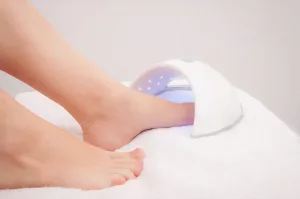
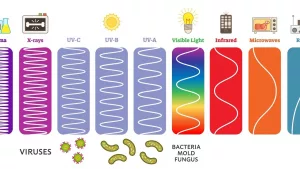
- Phototherapy: Phototherapy involves controlled exposure to specific wavelengths of ultraviolet light. It may be directed at localized areas like the hands or applied more broadly if eczema is widespread.
Because ultraviolet light is also used in dermatology to manage certain fungal skin infections, some people researching related topics—such as How fast does uv light kill fungus or How fast does uv light kill fungus on wood—may wonder whether similar light-based approaches apply to eczema. While phototherapy can help control eczema inflammation under medical supervision, it is not a cure and differs from UV applications used for fungal concerns.
Home treatments
In addition to daily moisturizing, certain home remedies may provide symptom relief and support skin healing, potentially influencing how long flare-ups last.
Oatmeal baths are a popular option for easing itchiness and irritation. Use lukewarm water rather than hot water, and apply moisturizer immediately afterward to seal in hydration.
There is some evidence that probiotics and prebiotics may help balance the microbiome and reduce inflammation. However, further research is necessary to confirm their effectiveness in eczema treatment.
Takeaway
For many individuals, eczema is a long-term condition marked by periodic flare-ups. Without treatment, these episodes can persist for extended periods. With appropriate management, however, rashes typically improve within several weeks.
Eczema is more commonly diagnosed in children, though adult-onset eczema may present with more persistent or severe symptoms. Flare-ups in adults can sometimes last longer or respond less predictably to treatment. Encouragingly, childhood eczema often becomes less severe with age, offering hope for gradual improvement over time.
















Leave a Reply
You must be logged in to post a comment.