
Seeds such as flaxseeds and hemp seeds deliver essential nutrients and offer a wide range of health advantages. They contain natural compounds that may help lower the risk of certain chronic health conditions when included in a balanced eating plan.
Because seeds hold all the components required to grow into fully developed plants, they are highly concentrated sources of nutrition. This dense nutrient profile explains why they are often recommended in heart-healthy and plant-forward diets.
In addition to their benefits, some people also search for Sunflower seeds side effects for male to better understand how regular consumption may affect men’s health. While sunflower seeds are generally safe and beneficial, it’s important to evaluate both their advantages and any potential concerns within the context of overall dietary habits.
Most edible seeds are excellent providers of fiber. They also supply beneficial monounsaturated fats, polyunsaturated fats, and a variety of vital vitamins, minerals, and antioxidants that support cellular health.
When eaten as part of a nutritious diet, seeds may contribute to improved blood sugar regulation, healthier cholesterol levels, and better blood pressure control.
This article explores the nutritional profile and scientifically supported health benefits of six of the healthiest seeds you can include in your diet, while also touching on considerations such as Sunflower seeds side effects for male where relevant.
Flaxseeds
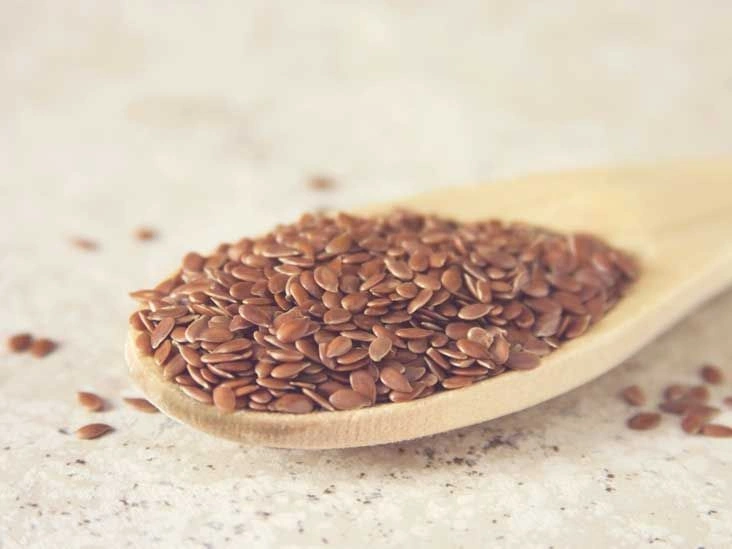
Flaxseeds, sometimes referred to as linseeds, are an outstanding source of fiber and omega-3 fats, particularly alpha-linolenic acid (ALA).
However, these omega-3 fats are stored within the seed’s tough outer shell, which the human digestive system does not easily break down. For this reason, ground flaxseeds are typically recommended if your goal is to increase omega-3 intake.
A 100 gram portion of whole flaxseeds provides a broad spectrum of nutrients:
- Calories: 534
- Fiber: 27 grams
- Protein: 18 grams
- Monounsaturated fat: 2.1 grams
- Omega-3 fats: 6.5 grams
- Omega-6 fats: 1.7 grams
- Thiamine (vitamin B1): 1.64 milligrams
- Magnesium: 392 milligrams
- Manganese: 2.48 milligrams
Flaxseeds also contain several polyphenols, particularly lignans, which function as powerful antioxidants in the body.
Lignans, combined with the fiber and omega-3 fats found in flaxseeds, may help reduce cholesterol and other cardiovascular risk factors. The optimum of intake to obtain health benefits is not known. One to two tablespoons of ground flaxseed daily is commonly suggested.
Although there is no official recommended intake, many experts advise consuming two tablespoons of ground flaxseed each day to maximize potential benefits.
2. Chia Seeds
Chia seeds resemble flaxseeds in their nutritional composition, as they are also rich in fiber and omega-3 fats, along with various other essential nutrients.
A 100 gram serving of chia seeds contains:
- Energy: 517 calories
- Protein: 17 grams
- Thiamine (vitamin B1): 0.5 milligrams
- Magnesium: 326 milligrams
- Manganese: 7.3 milligrams
Similar to flaxseeds, chia seeds provide valuable antioxidant polyphenols that help combat oxidative stress.
Summary: Chia seeds supply omega-3 fats, fiber, and antioxidants that contribute to overall health.
Due to their high fiber content, individuals who suddenly increase intake may experience bloating or digestive discomfort. If you’re concerned about seed-related digestive issues, you can read more about Can sunflower seeds cause digestive problems and how portion control plays a key role.
3. Hemp Seeds
According to a 2024 review, hemp seeds are an excellent source of high quality proteins. They also contain beneficial fats such as omega-6 and omega-3 fatty acids, along with vitamins E, D, and A.
Hemp seeds include naturally occurring compounds known as polyphenols and terpenoids, which offer antioxidant, anti-inflammatory, and antimicrobial properties. They also provide essential amino acids necessary for muscle repair and overall metabolic health.
Ongoing research is examining how hemp seeds can be incorporated into functional foods to enhance nutritional value and support a sustainable, well-balanced diet.
Summary: Hemp seeds provide high quality protein and essential amino acids along with beneficial fats.
4. Sesame Seeds
Sesame seeds are among the oldest cultivated oil crops and are loaded with nutrients. They are often used to produce sesame oil, tahini (sesame paste), and sesame milk.
These small seeds contain healthy fats, proteins, essential amino acids, vitamins, and antioxidants that promote overall wellness.
Key compounds in sesame seeds, including sesamin and sesamol, have demonstrated a variety of health-promoting properties. Research indicates they may:
- Decrease inflammation and oxidative stress
- Support heart, liver, and kidney function
- Promote skin and hearing health
- Help lower cholesterol
- Slow visible signs of aging
- Combat cancer cells in preliminary studies
Although findings are encouraging, more research is required to understand how these nutrients are absorbed and utilized in the body. Nonetheless, sesame seeds are a flavorful and nutrient-rich addition to a balanced diet.
Summary: Sesame seeds may reduce inflammation, support organ health, and help manage cholesterol levels.
5. Pumpkin Seeds
Pumpkin seeds are widely recognized for their impressive health benefits. They are rich in fiber, healthy fats, amino acids, and antioxidants such as tocopherols and carotenoids, which contribute to overall health protection.
Research suggests that pumpkin and its seeds may help:
- Support diabetes management
- Protect liver function
- Enhance heart health
- Reduce inflammation and infections
- Improve mood and ease symptoms of depression
- Support male fertility after chemotherapy
- Promote digestive health and protect against ulcers
Their zinc and antioxidant content may be particularly important for immune support and reproductive health in men.
Summary: Pumpkin seeds are nutrient-dense and may benefit heart health, mood, and inflammation control.
6. Sunflower Seeds
A 100 grams serving of sunflower seeds provides:
- Protein: 18.9 grams
- Iron:4.37 milligrams
- Manganese: 2.65 milligrams
- Magnesium: 302 milligrams
Sunflower seeds are high in valuable nutrients, including protein, unsaturated fats, fiber, vitamin E, selenium, copper, zinc, folate, and iron.
They are particularly rich in oil, primarily composed of linoleic acid, an omega-6 fatty acid associated with cardiovascular benefits when consumed in moderation.
Studies indicate that sunflower oil may help lower total cholesterol and “bad” LDL cholesterol, partly due to its antioxidant properties.
Sunflower oil and seeds also contain oleic acid, a monounsaturated fat that can decrease triglycerides and LDL cholesterol while raising “good” HDL cholesterol. This balance may support long-term heart health.
Oleic acid may also offer protective effects against breast cancer, particularly in dietary patterns common in southern Europe. Some research suggests it may suppress the gene Her-2/neu, which is linked to breast cancer development.
When discussing Sunflower seeds side effects for male, it is important to note that they are generally safe for most men when consumed in appropriate portions. However, excessive intake may contribute to high calorie consumption, elevated sodium levels (if salted), or digestive discomfort due to fiber and fat content. Men with specific medical conditions, such as kidney disorders requiring potassium restriction, should consult a healthcare provider before significantly increasing intake.
Additionally, because sunflower seeds are calorie-dense, overconsumption could potentially impact weight management goals, which in turn may influence cardiovascular and metabolic health in men. Moderation and mindful portion sizes are key to minimizing any potential sunflower seeds side effects for male health.
Summary: Sunflower seeds provide monounsaturated and omega-6 fats and may promote heart health when eaten in moderation.
The Bottom Line
Seeds are excellent sources of healthy fats, plant-based protein, fiber, and antioxidant polyphenols.
They may also help lower the risk of certain chronic diseases. In particular, lignans present in some seeds are associated with reduced cholesterol levels and a lower risk of cancer.
Incorporating seeds into salads, yogurt, oatmeal, and smoothies is a simple and effective way to boost your intake of essential nutrients while supporting overall health. For most individuals—including men concerned about Sunflower seeds side effects for male—moderate consumption as part of a varied diet offers far more benefits than risks.






















Leave a Reply
You must be logged in to post a comment.