


Small bulging sacs, called diverticula, can develop in the lining of your large intestine (colon). The presence of these pouches is referred to as diverticulosis.
Many individuals live with diverticulosis and may never experience noticeable symptoms or complications.
Did you know?
In Western populations:
- Diverticulosis occurs in about 10 percent of people over age 40.
- Diverticulosis occurs in approximately 50 percent of people over age 60.
- The risk of developing diverticulosis increases with age and affects roughly two-thirds of people over the age of 80.
What is diverticulitis?
At times, however, these small pouches in the colon can become inflamed or infected. When this happens, it leads to a flare-up known as diverticulitis.
Until appropriate treatment is started or the inflammation subsides, diverticulitis may trigger intense abdominal discomfort along with other digestive symptoms. Many people searching for answers about What does a diverticulitis attack feel like are often surprised by how sudden and persistent the pain can be.
Keep reading to understand the hallmark signs of diverticulitis, potential risk factors, how it’s diagnosed, available treatment options, and practical steps you can take to lower the risk of another episode.
When to see a doctor
Any sudden or severe abdominal pain warrants medical attention.
In addition to abrupt pain, other warning signs that should prompt you to contact a healthcare professional include:
- fever and chills
- nausea
- constipation or diarrhea
Symptoms of diverticulitis can resemble other gastrointestinal disorders, such as irritable bowel syndrome or appendicitis. A doctor can perform the necessary evaluations to rule out other causes and confirm the diagnosis.
What are the symptoms and causes of a diverticulitis attack?
Diverticulosis often produces no obvious symptoms. Many people only learn they have it during a colonoscopy or imaging study that reveals the protruding pouches in the colon wall.
If these pouches become inflamed and infected, the condition progresses to diverticulitis. Some individuals describe this as a diverticulitis flare-up or attack. For those wondering, What does a diverticulitis attack feel like, the experience is typically marked by significant abdominal pain and digestive upset.
The most frequently reported symptom is sharp, cramping pain in the lower abdomen. This discomfort can appear suddenly and may last for several days without improvement.
In most cases, the pain is located on the lower left side of the abdomen. However, some people may notice pain on the lower right side, depending on the area of the colon affected.
Additional symptoms of diverticulitis may include:
- nausea
- vomiting
- chills
- fever
- constipation or diarrhea
- bloating
- tenderness over the affected area of your abdomen
The diverticula typically form in weakened sections of the colon wall. Increased pressure from gas, fluid, or stool can contribute to their development.
If these pouches become obstructed with waste, bacteria may accumulate, leading to swelling and infection. This inflammatory process is what defines diverticulitis. Some individuals also notice changes in bowel movements during an attack; you can learn more about What does poop look like with diverticulitis to better understand these changes.
Diagnosis and treatment of diverticulitis
Providing your doctor with a full description of your symptoms is essential. This information helps narrow down possible causes and guide testing.
Initially, your doctor will review your medical history and perform a physical examination, focusing on areas of abdominal tenderness.
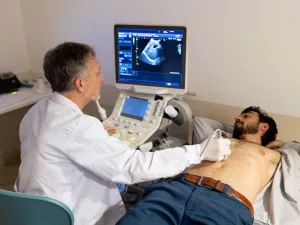
If diverticulitis is suspected, a CT scan is often ordered. This imaging test allows the physician to visualize the colon, detect diverticula, and assess the extent and severity of inflammation.
Additional tests may include:
- blood and urine tests to look for infection
- a liver enzyme test to check for liver disease
- a stool test to check for infection in people with diarrhea
- a pregnancy test to eliminate pregnancy as a cause
Treatment depends largely on how severe your symptoms are and whether complications are present.
Medical treatments
If your symptoms are mild, your doctor may recommend:
- antibiotics to treat the infection
- an over-the-counter (OTC) pain reliever such as acetaminophen (Tylenol)
- a liquid-only diet for a few days to allow your colon to rest and recover
If symptoms are more serious or you have underlying health concerns, hospitalization may be necessary. In a hospital, treatment typically includes:
- antibiotics that are given intravenously
- a needle inserted into the affected area if an abscess has formed and needs to be drained
In more advanced or complicated cases, surgery may be required, especially if:
- antibiotics don’t help to clear up the infection
- an abscess is too large to be drained with a needle
- diverticulitis has caused an obstruction in your colon
- the colon wall has been perforated by an abscess or obstruction
Your doctor may also discuss medications that could aggravate your condition. Reviewing Drugs to avoid with diverticulitis can help reduce the risk of worsening inflammation or triggering another episode.
At-home treatments
For mild cases, a clear liquid diet may be advised for a short period to give the digestive tract time to heal. Do not continue a liquid-only diet longer than your doctor recommends.
A clear liquid diet may include:
- tea or coffee without milk or cream
- broths
- water, seltzer water, or flavored carbonated water
- ice popsicles without chunks of fruit
- fruit juice without pulp
- gelatin
As symptoms begin to improve, low fiber foods are typically reintroduced gradually, such as:
- yogurt, milk, and cheese
- cooked or canned fruits without the skin
- eggs
- fish
- white rice and pasta
- refined white bread
Always consult your doctor before making significant dietary adjustments, particularly during recovery from a diverticulitis attack.
Prevent a diverticulitis flare-up
Genetics may contribute to your overall risk, meaning a family history of diverticulitis can increase your likelihood of developing it. However, lifestyle factors also play a meaningful role.
Common risk factors include:
- Age: Risk increases as you grow older.
- Smoking: Nicotine and other chemicals in tobacco may weaken the colon lining.
- Not drinking enough water: Dehydration can make digestion more difficult and slow stool passage.
- Medications: Some drugs such as nonsteroidal anti-inflammatory drugs (NSAIDs), opioids, and steroids may irritate or weaken the colon wall.
- Lack of exercise: Regular physical activity appears to lower the risk of diverticulitis.
- Having overweight: Excess body weight may increase pressure within the colon.
- Straining during a bowel movement: Straining adds stress to the colon wall.
Although certain risk factors cannot be changed, several preventive strategies may help reduce your chances of experiencing another flare-up:
- Eating a high fiber diet: Limit red meat, full fat dairy, fried foods, and refined grains. Emphasize whole grains, fresh fruits, vegetables, legumes, nuts, and seeds to promote healthy bowel movements.
- Drinking plenty of water: Aim for at least eight glasses of fluids daily to support digestion and prevent constipation.
- Exercising regularly: Routine physical activity helps maintain normal bowel function and reduces pressure inside the colon.
- Keeping your weight in a moderate range: Maintaining a healthy weight can lessen strain on your digestive tract.
- Avoiding smoking: Smoking negatively affects multiple body systems, including digestive health.
- Limiting alcohol use: Excessive alcohol may disturb the balance of beneficial bacteria in the colon.
- Using a stool softener: If you frequently strain during bowel movements, an OTC stool softener may help reduce colon pressure after discussing with your doctor.
The bottom line
With age, the wall of the colon can weaken, allowing small pouches to form. If these pouches become infected or inflamed, a diverticulitis attack can occur.
For those asking, What does a diverticulitis attack feel like, the most common description is a sharp, cramp-like pain—usually on the lower left side of the abdomen—accompanied by fever, chills, nausea, and changes in bowel habits such as constipation or diarrhea.
If you suspect you’re experiencing symptoms of diverticulitis, seek medical care promptly to prevent complications.
Although diverticulitis can be painful and disruptive, appropriate medical care, dietary adjustments, and preventive lifestyle measures can help you manage the condition effectively and reduce the likelihood of future flare-ups.














Leave a Reply
You must be logged in to post a comment.