

Key takeaways
- Techniques like biofeedback and edging can increase awareness of arousal levels, helping you gain better control and delay ejaculation.
- Regularly strengthening the pelvic floor muscles with Kegel exercises may enhance control over ejaculation.
- Healthy lifestyle habits, such as keeping a moderate weight and improving your diet, can support sexual performance and contribute to delaying ejaculation.
Concerns about sexual performance are common, especially during partner intimacy. One topic that frequently comes up for people with penises is how long they’re able to last in bed and How to avoid quick discharge of sperm in a safe, effective way.
You might simply want to extend the duration of your sexual experiences. Or you may be dealing with premature ejaculation, a condition that leads to climax happening sooner than you or your partner would prefer.
Whatever your situation, understanding How to avoid quick discharge of sperm involves a combination of physical awareness, behavioral techniques, and sometimes medical support. The evidence-based strategies below can help you build endurance and enjoy more satisfying sexual encounters.
1. Biofeedback
Biofeedback is a therapeutic method designed to retrain the brain and body. It has applications in several areas of healthcare. In the context of premature ejaculation, biofeedback involves monitoring electrical brain signals during masturbation or other forms of sexual stimulation.
If you’re interested in trying biofeedback as a solution for How to avoid quick discharge of sperm, you’ll need to see a trained physical therapist or physician experienced in this approach. Using specialized equipment, they measure your physiological responses and guide you through visualizations and structured exercises to help you regulate arousal and delay climax.

Dr. Philip Werthman, urologist and director of the Center for Male Reproductive Medicine and Vasectomy Reversal in Los Angeles, CA, notes that biofeedback can be an effective option for certain individuals seeking better ejaculatory control.
2. Edging
Edging is essentially a self-directed, non-clinical version of biofeedback. During edging, you stimulate yourself through masturbation until you’re close to ejaculation (the “edge”), then pause all stimulation.
The goal is to become more familiar with the sensations that precede orgasm. By recognizing these signals early, you can better manage your arousal and prevent unintended ejaculation during partner sex.
Practicing edging regularly may not only help with How to avoid quick discharge of sperm, but can also intensify pleasure when you do allow yourself to climax.
3. Pelvic floor exercises
The pelvic floor muscles support both bladder control and ejaculation. Exercises that strengthen this group may help improve your ability to delay ejaculation and enhance erectile stability.
According to Dr. Christopher Asandra, chief medical officer at NuMale Medical Center, Kegel exercises can benefit people with penises just as they do people with vulvas. Consistency is key, as these movements strengthen the pubococcygeus muscle.
“To do Kegel exercises, flex the same muscle you would use to stop the flow of urine,” he explains. “Hold the contraction for 10 seconds, then relax, aiming for at least three sets of 10 repetitions per day.” Over time, this may significantly improve control during intercourse.
4. Desensitizers
Desensitizing creams, sprays, and gels are designed to reduce penile sensitivity, which can help delay ejaculation.
Keep in mind that these products can also affect your partner if not used properly. Be sure to wipe or wash off any excess before engaging in stimulation.
Asandra recommends Promescent, noting that it absorbs effectively and minimizes transfer to a partner.
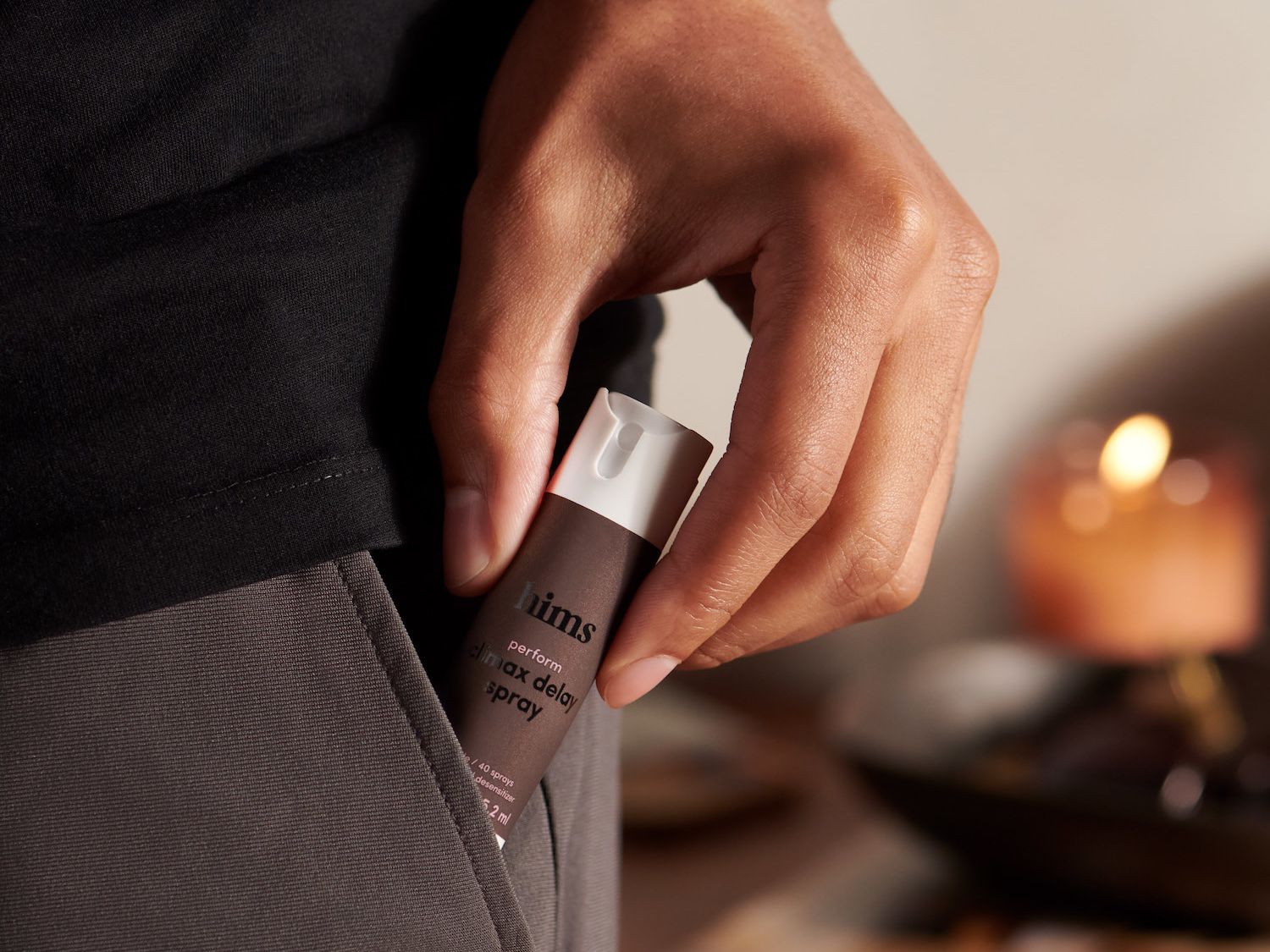
Most desensitizers contain local anesthetics. Overuse or incorrect application may pose risks, so always follow product instructions carefully or consult a healthcare professional before use.
5. Adult circumcision
Adult circumcision, the surgical removal of the foreskin, is another option some consider.
A 2015 study reported encouraging outcomes, with many participants experiencing improved control over orgasm and positive effects on premature ejaculation following circumcision.
Speaking with a doctor experienced in performing circumcisions can help determine whether this approach aligns with your health needs and goals.
6. Masturbation
Masturbating before partner sex may reduce sensitivity and delay ejaculation during intercourse. This can be a practical short-term method for How to avoid quick discharge of sperm.
Additionally, masturbation can serve as a therapeutic technique. A small 2019 study found that penis-root masturbation may help extend the time to ejaculation.
Researchers observed that stimulating the base of the penis until nearing climax, then pausing, increased ejaculatory latency during penetrative sex.
To try penis-root masturbation, place both thumbs at the base of your penis and massage in circular or vertical motions. Continue until close to ejaculation, then stop to allow arousal to decrease.
7. Find your optimal weight
Maintaining a moderate weight may positively affect sexual stamina and erectile health.
A 2017 study found that individuals with three or more of the following conditions had a higher likelihood of premature ejaculation:
- high blood pressure
- low levels of “good” cholesterol
- waist circumference of 40 or more inches
- elevated blood sugar levels
- elevated blood triglycerides
“We know that obesity, high blood pressure, and diabetes are major causes of erectile dysfunction, so treating the underlying problem may be beneficial,” said Werthman.
Improving cardiovascular health can also influence What causes a man to erect fast and help regulate arousal more effectively.
8. Change up your diet
Nutritional choices may play a role in sexual performance and hormone balance.
Werthman explains that certain foods can increase free testosterone levels, which are essential for healthy erectile function. “Certain foods, like fenugreek (an herb), can increase free testosterone,” he says. “Fenugreek is the source of the compounds called Testofen, found in many over-the-counter supplements.”
Note: Higher free testosterone does not automatically mean longer ejaculatory latency. Results vary, and dietary changes alone may not fully address premature ejaculation.
Before adding herbs or supplements, consult your doctor to avoid possible interactions with medications.
9. Wait longer before penetration or skip it altogether
Many couples view penetrative sex as the ultimate goal. However, rushing into penetration can increase arousal too quickly.
If premature ejaculation tends to occur during penetration, focusing on oral sex, sensual massage, or other intimate activities may reduce performance pressure while enhancing mutual satisfaction.
A 2017 study found that only about 18% of women experience orgasm from penetration alone, highlighting the importance of diverse stimulation methods.
Understanding How long can the average man stay erect can also help set realistic expectations and reduce anxiety around timing.
10. Squeeze technique
The squeeze technique is useful when simply pausing stimulation is not enough to prevent ejaculation.
To use this method:
- stop manual stimulation or withdraw your penis
- apply firm pressure with your hand to the tip of your penis
- resume sexual activity once the urge to ejaculate subsides
This can be repeated as needed during sexual activity. If practicing with a partner, communicate clearly so you both remain comfortable and engaged.
11. Stay in the moment
Some people suggest thinking about non-sexual topics to delay orgasm, but this can disconnect you from your body.
Amanda Holmberg, LMFT, clinic director at the Sexual Wellness Institute, advises staying present. “This will help you decide what you need,” she says. “Maybe you need to slow down; maybe you need to pause completely.”
Mindfulness allows you to adjust your pace and breathing, both of which are valuable tools for managing premature ejaculation.
12. Watch your arousal level going into partner sex
Being aware of your arousal level before penetration is crucial.
“If you are trying to last longer during penetrative sex, don’t penetrate at a higher arousal level,” Holmberg says. “Penetrate at a medium arousal level to give yourself room to grow and enjoy the pleasure.”
Starting intercourse when overly aroused significantly increases the likelihood of ejaculating sooner than desired.
13. Use condoms
Condoms can reduce penile sensitivity, which may help delay ejaculation. If standard condoms aren’t effective, consider varieties specifically designed with desensitizing features.
Some contain thicker material or mild numbing agents similar to those in topical desensitizers.
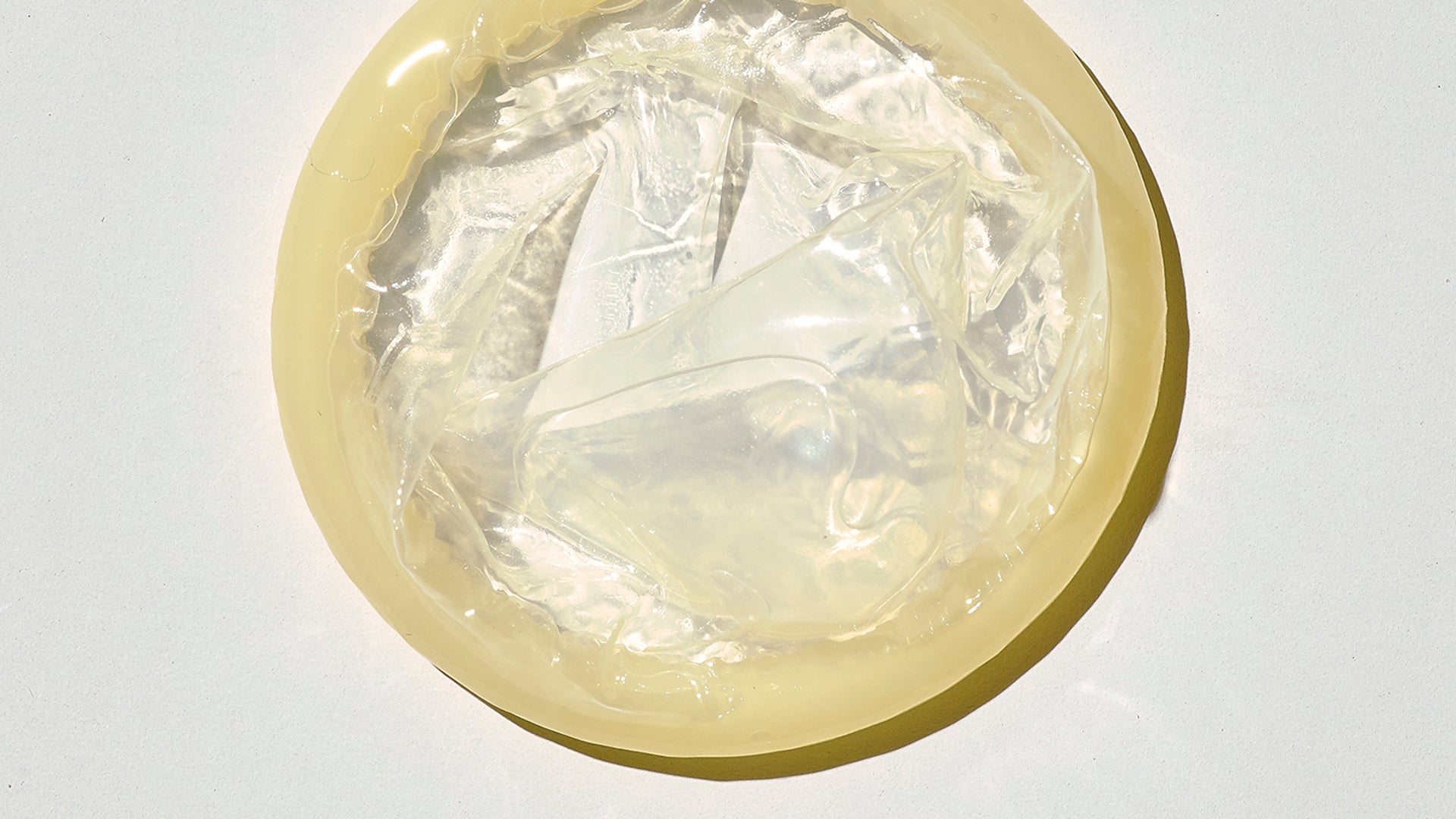
Beyond performance benefits, condoms remain one of the most reliable ways to lower the risk of sexually transmitted infections and unintended pregnancy.
14. Reevaluate your medications
Selective serotonin reuptake inhibitors (SSRIs) are sometimes prescribed off-label for premature ejaculation, according to Asandra.
“Medications like SSRIs, such as Prozac, Paxil, and Zoloft, can delay orgasm in men, but they can also cause problems,” he explains. “They may lead to dizziness, drowsiness, erectile dysfunction, and decreased libido.”
A 2016 study found limited or insufficient evidence for many antidepressants, though a 2019 review showed that Paroxetine performed better than placebo with relatively mild side effects.
Because research findings are mixed and side effects are possible, medication is often considered after behavioral and lifestyle approaches have been tried.
15. Switch up your position
If other strategies aren’t enough, experimenting with different sexual positions may help regulate stimulation levels.
For instance, some individuals find that having their partner on top decreases intensity and extends time to climax. Exploring new positions can also improve communication, confidence, and shared pleasure.
Frequently asked questions
There is no universal standard for how long sex “should” last. What matters most is mutual satisfaction, comfort, and open communication between partners.
Focusing on intimacy and connection rather than a strict timeframe can create a more fulfilling experience.
Does drinking water make you last longer in bed?
Hydration supports overall health, including sexual health. However, there is no direct scientific evidence that drinking water alone will delay ejaculation or significantly increase endurance.
Does ibuprofen make you last longer in bed?
Ibuprofen is a pain reliever and anti-inflammatory drug. While it may reduce discomfort, it is not known to meaningfully affect sexual performance or duration.
The bottom line
Premature ejaculation is common, affecting approximately 30–75% of people with male anatomy.
If you’re concerned about How to avoid quick discharge of sperm, remember that effective solutions range from behavioral techniques and pelvic floor strengthening to medical evaluation. Seeking guidance from a qualified healthcare professional can help identify any underlying issues, such as hormonal imbalance or other sexual dysfunction, and guide you toward the most appropriate treatment.





















Leave a Reply
You must be logged in to post a comment.