

Multivitamins rank among the most frequently used dietary supplements in the United States — roughly one-third of adults report taking them (1).
Individuals use multivitamins for various reasons: to support overall wellness, help prevent nutrient deficiencies, or fill occasional gaps in their diet (1).
Because these supplements are available without a prescription, many people assume they are completely harmless. However, that’s not always the case. If you’ve ever wondered, Can a man take women’s 50 vitamins, it’s important to understand how multivitamins work, how formulations differ by gender and age, and what potential side effects may occur.
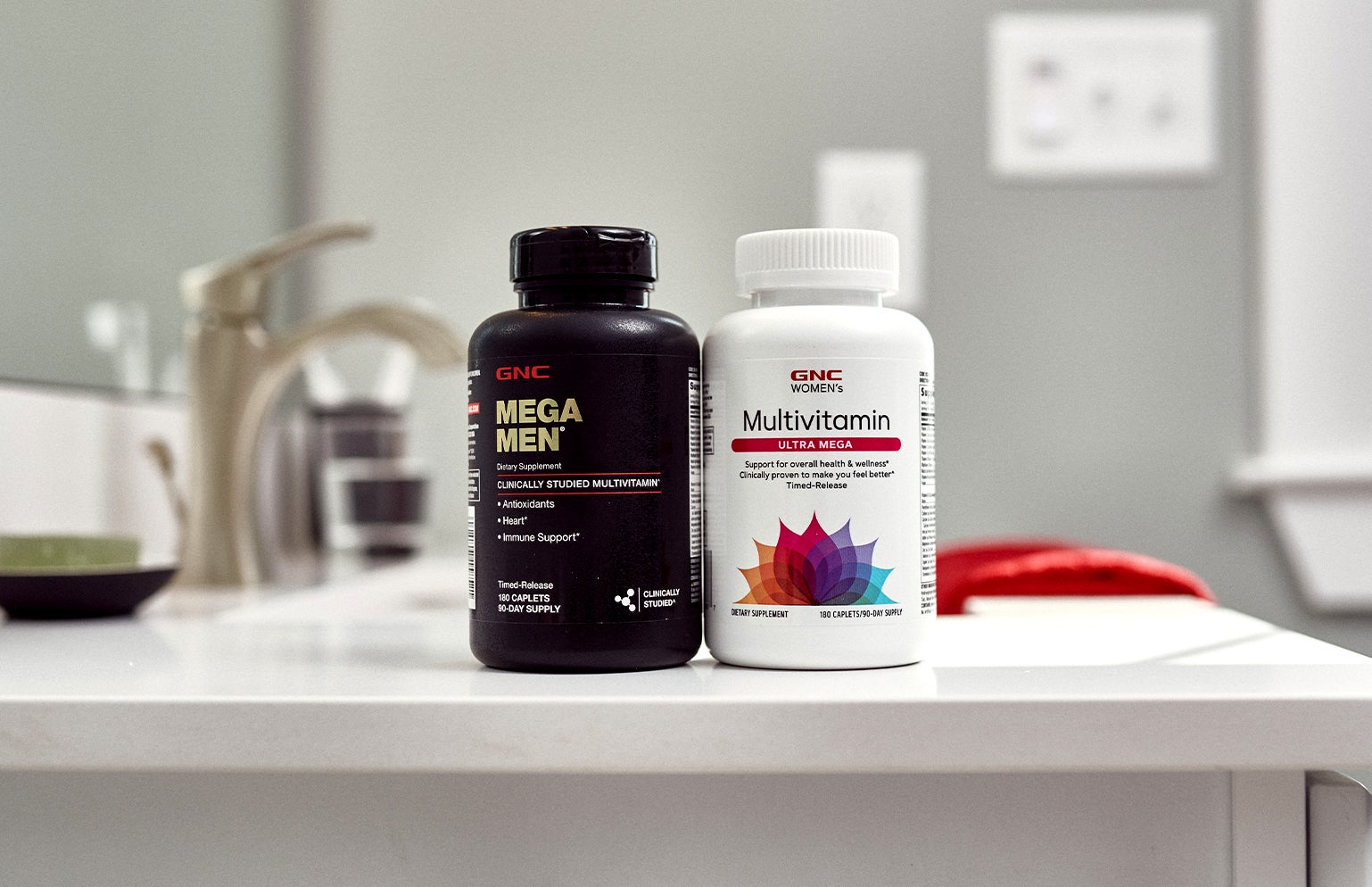
This article explores whether multivitamins are truly risk-free, outlines possible side effects, and highlights specific ingredients that may cause problems. It also provides practical guidance for men considering women’s formulas, including insights from What happens if you take women’s vitamins as a man and Can a man take women’s Centrum vitamins.

Possible side effects of multivitamins
Your body requires at least 13 vitamins and 16 minerals on a consistent basis to maintain normal physiological function.
An overall balanced eating pattern remains the optimal way to meet these requirements. Still, multivitamins can serve as a convenient backup for people who struggle to obtain adequate nutrients through food alone.
Multivitamins that supply up to 100% of the daily Dietary Reference Intakes (DRIs) are typically regarded as safe and often do not produce side effects when used as directed.
Even so, some individuals may notice adverse effects after starting a multivitamin. Certain reactions occur more frequently than others (2, 3).
Common side effects
Some side effects are more common than others when taking multivitamins. These include (2, 3):
- constipation
- diarrhea
- upset stomach
- nausea
These digestive symptoms are usually mild and short-lived. They often subside as your body adapts to the supplement.
If symptoms continue, it’s advisable to consult your healthcare provider for personalized guidance.
Rare side effects
Less common side effects of multivitamins include (2, 3):
- headaches
- nosebleeds
- insomnia
- gout
These reactions are uncommon, particularly when the supplement does not exceed the daily safe upper limit (UL).
However, combining multivitamins with additional supplements or consuming large amounts of fortified foods may push certain nutrients beyond their UL. This increases the likelihood of adverse effects (4).
Fortified foods are products enhanced with added nutrients during manufacturing.
Severe allergic reactions to multivitamins are extremely rare but possible. If you develop hives, difficulty breathing, or swelling of the face, tongue, lips, or throat after taking a supplement, seek emergency medical attention immediately.
Side effects in infants and children
Children may experience similar side effects to adults, though often at significantly lower doses.
Because children require smaller amounts of nutrients, they are more vulnerable to overdosing if they consume high-potency products. In severe situations, nutrient overdoses can be life-threatening.
Many multivitamins are marketed specifically for infants and children. Yet one recent study found that up to 65% contained nutrient levels above the safe upper limits (UL) for children (5).
This may help explain why experts note that children who take multivitamins face an increased risk of exceeding the UL, particularly for vitamin A, folic acid, and zinc (4).
Providing an iron-containing multivitamin to a child who does not need extra iron may also result in iron overdose. Researchers identify iron as a leading cause of poisoning in children aged 6 years and under (4).
To lower the risk of toxicity or side effects, always speak with a healthcare professional before giving a child a multivitamin.
SummaryMultivitamins are typically safe when they provide nutrient amounts within DRI recommendations. Some individuals experience mild digestive symptoms initially, but these usually resolve quickly. Other side effects are uncommon.

Dosage
The National Institutes of Health states that multivitamins delivering nutrient levels close to the DRI should not cause serious side effects. Still, unlike medications, supplements are not regulated by the government to the same degree (4).
This means some products may contain higher amounts of nutrients than indicated on the label. In certain cases, levels may approach or even exceed the daily UL.
Other formulations intentionally provide megadoses of specific nutrients, based on the belief that higher intake automatically leads to better health outcomes.
While megadoses of some nutrients may not be especially harmful, extremely high amounts of others can seriously damage your health (4).
Nutrients to watch out for
Multivitamins usually contain three main categories of nutrients:
- Water-soluble vitamins. These dissolve in water and are typically excreted in urine, making severe toxicity less likely (e.g., B vitamins, vitamin C).
- Fat-soluble vitamins. These dissolve in fat and can accumulate in body tissues, potentially reaching toxic levels (e.g., vitamins A, D, E, and K).
- Minerals. These inorganic elements can build up in the body and cause harm if consumed excessively (e.g., iron, iodine, zinc, copper, and selenium).
Some nutrients pose greater risks at high doses than others. The following sections emphasize those most likely to cause harm when intake exceeds recommended limits.
Water-soluble vitamins
High intakes of water-soluble vitamins generally do not trigger severe reactions, even near the UL, because excess amounts are typically eliminated in urine.
However, doses several times above the UL may lead to complications.
For example, vitamin C intakes three times higher than the UL may cause cramps, diarrhea, nausea, vomiting, or migraines (6, 7).
Excess vitamin B3 (niacin), beginning at intakes three times above the UL, may result in stomach pain, high blood pressure, vision problems, and liver damage (8).
Long-term intake of vitamin B6 at 10 times the UL has been associated with skin lesions, light sensitivity, heartburn, and neurological problems (9).
Too much vitamin B9 (folic acid) may weaken immune function, contribute to neurological problems, and mask a serious vitamin B12 deficiency (10).
Fat-soluble vitamins
Because fat-soluble vitamins accumulate in body tissues, high-dose multivitamins containing these nutrients may be particularly concerning.
Excess vitamin A can cause headaches, liver damage, weaker bones, and birth defects (11).
Smokers and former smokers may want to avoid multivitamins high in vitamin A or beta carotene, as excessive intake may increase lung cancer risk (1, 4, 11).
Too much vitamin D — whether due to formulation errors or inappropriate dosing — can cause nausea, vomiting, muscle weakness, cognitive problems, heart problems, kidney failure, and even death in extreme cases (12).
High vitamin E intake may result in bleeding, diarrhea, weakness, blurred vision, and fertility problems (1, 13).
Although vitamin K toxicity is rare, it can interact with antibiotics and blood thinners. Anyone taking medications should inform their healthcare provider if their multivitamin contains vitamin K (14).
Minerals
Similar to fat-soluble vitamins, minerals can accumulate in the body and cause adverse effects when consumed in excess.
Very high intakes of iron, copper, magnesium, and zinc may trigger stomach upset, constipation, diarrhea, nausea, vomiting, abdominal pain, and headaches (4, 15, 16, 17, 18).
Excess iron is particularly concerning because it may also damage the liver.
For this reason, experts recommend that adult men and postmenopausal women avoid multivitamins containing 18 mg of iron or more unless advised by a healthcare provider (19).
High levels of iron, copper, and zinc may also interfere with the absorption of other nutrients (15, 16, 17).
Too much iodine may lead to thyroid dysfunction, while excessive selenium can cause garlic-like breath, hair loss, brittle nails, or a metallic taste (20, 21).
Selenium intake above the UL may also result in severe neurological symptoms, kidney failure, and heart complications (21).
Short- versus long-term side effects
How quickly side effects appear depends on the specific nutrient and dose consumed (11).
Very high doses of one or more nutrients may cause digestive symptoms soon after ingestion (15, 16, 17).
In contrast, more serious complications can develop gradually as excess nutrients or contaminants accumulate in the body. Long-term consequences may include birth defects, liver problems, heart issues, and cognitive impairment (11, 20, 21).
If you suspect side effects from any supplement — including when evaluating whether Can a man take women’s 50 vitamins safely applies to your situation — contact your healthcare provider promptly.
The bottom line
Multivitamins can benefit people who cannot consistently meet their daily nutrient requirements through food alone.
That said, they are not a substitute for a nutrient-dense, balanced diet. Taking them in excessive amounts may lead to side effects ranging from mild digestive discomfort to serious liver and heart complications.
If you’re asking, Can a man take women’s 50 vitamins, the answer depends largely on the nutrient profile — particularly iron content and dosage relative to male DRIs and ULs. Choosing a formula tailored to your age and sex is generally the safest approach.
To reduce risk, select multivitamins that provide nutrient amounts close to current DRIs and have undergone independent third-party testing. Most importantly, consult your healthcare provider to determine whether supplementation is necessary for your individual health needs.























Leave a Reply
You must be logged in to post a comment.