
Key Takeaways:
- Global economic instability is a primary driver of food insecurity affecting children, leading to “Hidden Hunger.”
- Nutrient deficiencies during the first 1,000 days of life can have irreversible lifelong health and cognitive consequences.
- Effective interventions require a mix of policy changes, community support, and smart household dietary strategies using low-cost superfoods.
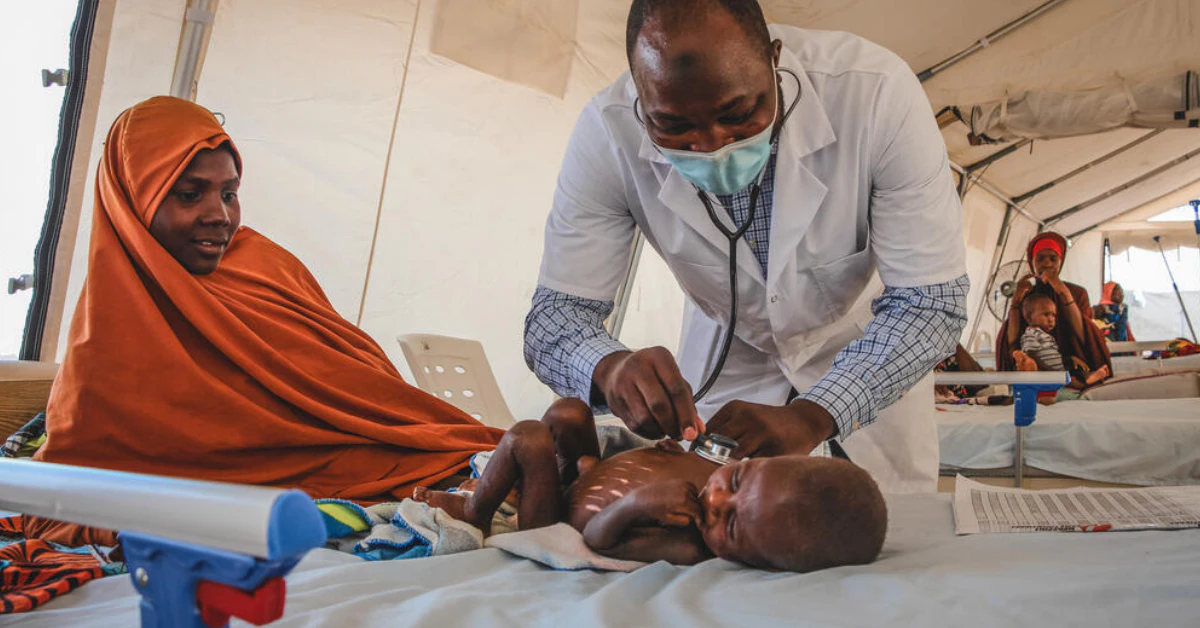
In an era of fluctuating markets and rising inflation, the most silent victims are often the youngest. Economic instability does not just affect stock portfolios or real estate values; it has a ripple effect that crashing onto dining tables around the world. Recent data indicates a strong, disturbing correlation between economic downturns and a significant rise in childhood malnutrition rates.
This is not just a problem for developing nations. In wealthier countries, inflation forces families to trade nutrient-dense fresh foods for calorie-dense, nutrient-poor processed staples. This article explores the mechanisms behind this crisis, the physiological impact on a growing child, and what can be done to mitigate the damage.
The Mechanism: How Economy Shapes a Child’s Plate
When household incomes decline or stagnate while food prices rise, families are forced to make difficult compromises. This economic pressure leads to a phenomenon known as the “Nutrition Transition.”
One of the first areas to suffer is dietary quality. Parents may switch from whole grains, lean proteins, and fresh produce to cheaper alternatives that are high in sugar, sodium, and saturated fats. These foods act as cheap fuel—preventing the feeling of hunger—but they fail to provide the building blocks necessary for growth.
The “Hidden Hunger” Epidemic
This shift leads to “hidden hunger,” a condition where a child may appear to be of normal weight or even overweight, yet suffers from chronic deficiencies in essential micronutrients like iron, Vitamin A, zinc, and iodine. Unlike acute starvation, hidden hunger is invisible to the naked eye until the long-term health consequences manifest.
The Physiological Impact: Why the First 1,000 Days Matter
The period from conception to a child’s second birthday—roughly 1,000 days—is the most critical window for brain development and immune system calibration. Malnutrition during this period is often irreversible.
1. Cognitive Development and Education
The brain consumes 20% of the body’s energy. Without adequate iron and essential fatty acids, neural connections fail to form efficiently. Studies from the World Health Organization (WHO) emphasize that nutritional deficits in early childhood are linked to:
- Lower IQ scores.
- Delayed language development.
- Reduced attention span and memory in school-aged children.
This creates a cycle of poverty: malnourished children struggle in school, leading to lower economic productivity in adulthood.
2. Physical Stunting and Immune Function
Zinc and protein are vital for physical growth. Chronic deficiency results in stunting (being too short for one’s age). Beyond height, these children have weakened immune systems. They are more susceptible to common infections like diarrhea and pneumonia, and their recovery times are significantly longer.
Global Statistics: The Scale of the Crisis
The numbers are staggering. According to recent UNICEF data:
- Malnutrition contributes to nearly 45% of deaths in children under five.
- Over 149 million children under five are estimated to be stunted.
- In times of economic recession, food insecurity measures spike by 10-20% in vulnerable households.
Practical Solutions for Families on a Budget
While systemic change is needed, parents can take immediate steps to optimize nutrition even when finances are tight. The goal is to prioritize Nutrient Density per Dollar.
1. The Power of Plant-Based Proteins
Animal proteins can be expensive. Legumes, lentils, and beans are incredibly affordable and pack a punch of protein, fiber, and iron. Combining rice and beans creates a “complete protein” containing all nine essential amino acids.
2. Utilizing Low-Cost Superfoods
Certain natural extracts and local produce can offer outsized benefits. For example, Papaya Leaf has been studied for its potential in boosting platelet counts and aiding digestion. It is an affordable supplement in many tropical regions. You can read more about its benefits in our guide on 7 Emerging Benefits of Papaya Leaf.
3. Strategic Supplementation
For children who are picky eaters or visibly falling behind on growth charts, liquid nutrition can be a safety net. Products like Ensure and Boost are popular, but they differ significantly in sugar and protein content. Understanding these differences is key to not just feeding your child “sugar water.” Our comparison article, Ensure vs. Boost: Actual Patient Strategies, helps parents choose the formulation that best targets their child’s specific deficiencies.
Signs of Malnutrition to Watch For
Early detection allows for faster intervention. Parents and teachers should look for:
- Physical Appearance: Thinning hair, brittle nails, or dry, flaky skin.
- Energy Levels: Chronic fatigue (lethargy), lack of interest in play.
- Mood: Increased irritability, anxiety, or apathy.
- Wound Healing: Small cuts or bruises that take weeks to heal.
Conclusion
Childhood malnutrition is a complex issue driven by the simple math of economics. While we wait for global economic stabilization, the battle is fought in the kitchen. By focusing on nutrient-dense, low-cost foods, understanding the signs of hidden hunger, and utilizing community resources, we can protect the developmental potential of the next generation.
References & Further Reading
About the Author: Linda Ava
Senior Health Researcher & Patient Advocate
Linda Ava has spent over a decade writing about public health trends, pediatric nutrition, and the socio-economic factors affecting family health. Her work focuses on bridging the gap between medical research and practical, affordable parenting strategies. She believes that every child deserves a healthy start, regardless of the economic climate.
Review Policy: All medical content on HealthEH is reviewed by our clinical advisory board for accuracy and alignment with current WHO and CDC guidelines.





















Leave a Reply
You must be logged in to post a comment.