8 Exercises to Ease Heel Spur Pain


Heel spurs develop when calcium accumulates on the underside of the heel bone. These calcium buildups form a bony protrusion that starts at the front of the heel bone and extends toward the arch or toes.
Heel spurs can be painful for some people, though many individuals have them without any discomfort.
As noted by Cleveland Clinic , heel spurs are painful about half the time. You might have a spur without pain, and sometimes heel pain stems from other causes.
Connection to plantar fasciitis
Often, people with heel spurs also have plantar fasciitis, which can add to the pain. Plantar fasciitis happens when the connective tissue called the plantar fascia becomes inflamed and sore. The plantar fascia runs from the heel to the toes and supports the foot’s arch.
Although severe cases of heel spurs may require surgery, stretching can frequently help reduce pain and discomfort. These stretches also target inflammation and soreness from plantar fasciitis. They further ease tightness in the calf muscles, which can pull on the plantar fascia and worsen heel pain.
Exercises
Below are eight straightforward exercises to help relieve symptoms. You can perform them all together or spread them throughout the day.

1. Foot flex
This easy stretch is particularly useful first thing in the morning while sitting up in bed. It stretches the plantar fascia that tightens overnight.
- Use your hand to pull your toes back toward your shin.
- Hold for about 30 seconds.
- Repeat two to three times on each foot.

2. Calf stretch on a step
This move gives a deep stretch to the calf muscles, which reduces foot tension and improves flexibility.
- Stand with the ball of your right foot on the edge of a step, letting your heel hang off.
- Slowly lower your heel as far down as you can.
- Hold for 15 to 30 seconds.
- Switch to the left foot and repeat. Do two to four sets per side.

3. Toe towel grab
This exercise strengthens and stretches the foot arches while enhancing mobility.
- Place a small towel under your foot.
- Curl your toes to grasp the towel.
- Lift the front of your foot off the floor.
- Hold for a few seconds.
- Release and then lift your toes, spreading them as wide as you can.

4. Wall calf stretch
This stretch targets the calves and heels deeply, helping to ease tightness and boost mobility in your legs and feet.
- Stand a few feet from a wall with your left foot forward and right foot back.
- Lean toward the wall and bend your left knee slightly.
- Shift your weight into the left foot.
- Keep the right knee straight and lift the right heel so you feel a stretch along the back of your calf.
- Hold for 15 to 30 seconds.
- Repeat two to five times per side.

5. Wall squat calf stretch
This movement focuses on the calves to increase flexibility and build strength.
- Lean your back against a wall and come into a squat. Your hips should align with your knees and your ankles beneath them.
- Slowly lift both heels off the floor.
- Hold briefly, then lower back to the start.
- Perform 2 to 3 sets of 8 to 12 reps.
For the following three exercises, you can follow a helpful video we found or use the instructions below:
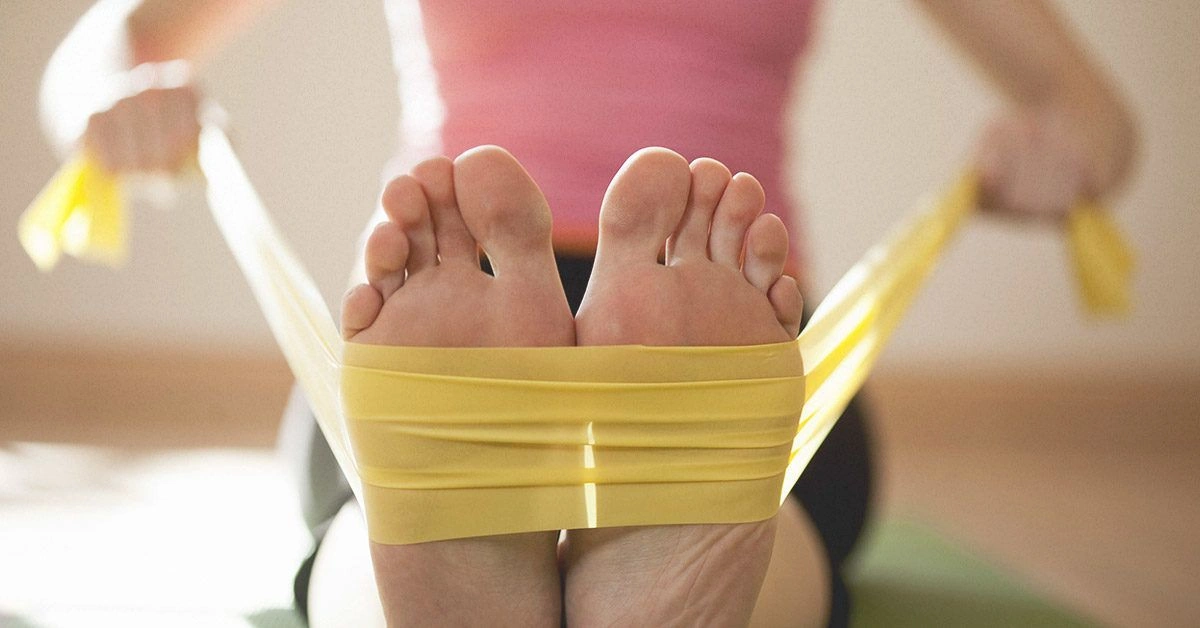
6. Calf stretch with band
Use a yoga strap or exercise band (or a folded towel) for this stretch. It loosens the calves and helps prevent the muscle from tugging on the plantar fascia.
- Sit in a chair or lie on your back.
- Loop the strap under the arch of your right foot and hold both ends.
- Gently pull the top of your foot toward you, flexing toward your shin.
- Hold for 15 to 30 seconds.
- Repeat three to five times each side.
7. Golf ball roll
Rolling a golf ball under the foot relaxes the fascia beneath the foot and can ease heel pain.
- Roll a golf ball under your right foot.
- Continue for up to one minute.
- Repeat two to three times per foot.
8. Walking the dog
This pose stretches your calves and Achilles tendon deeply, relieving tension in your legs and spine.
- Begin in Downward-Facing Dog with your heels lifted.
- Press one heel toward the floor while bending the other knee.
- Alternate every few seconds, then hold each side for about 30 seconds.
Other treatments
There are several conservative and home-based approaches to manage pain and inflammation. Over-the-counter pain relievers like ibuprofen or aspirin can help. Some people also try supplements aimed at reducing inflammation.
Options for treating heel spurs include:
- Ice. Apply an ice pack or cold compress for 10 to 15 minutes at a time, especially after a long day of standing. You can also roll a frozen water bottle under your foot for combined cold therapy and massage, which eases plantar tightness.
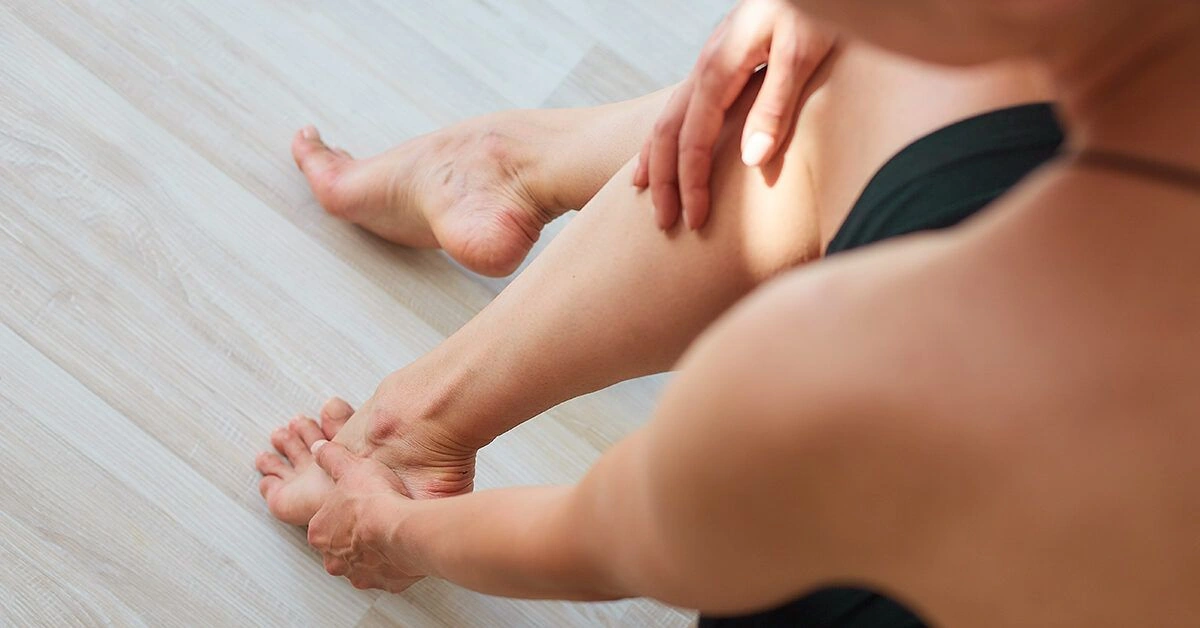
- Massage. Massaging the arch reduces pain and improves mobility. Use fingers and knuckles to massage for 1 to 5 minutes. One approach is placing both thumbs along the center of the arch and working outward to the edges.
- Inserts. Cushioning inserts add support and comfort. Affordable over-the-counter options are available. Wear shoes with thicker soles and extra padding to decrease plantar fascia strain. Kinesiology tape may also help support the arch and heel.
- Night splints. Night splints can be very effective; worn during sleep, they keep the plantar fascia stretched and prevent the foot from pointing downward.
- Injections. Cortisone injections into the plantar fascia may be used to lower pain and inflammation.
- Extracorporeal shockwave therapy (ESWT). A noninvasive treatment that delivers high-energy shockwaves to help heal plantar fascia tissue. Results vary, but it’s sometimes used to avoid surgery.
- Cryoultrasound therapy. This treatment combines cold therapy and electromagnetic energy and may relieve pain in people with both plantar fasciitis and heel spurs.
- Surgery. Surgery is typically a last resort, considered only after at least a year of conservative care.
When to consult a doctor
See a physician if your pain is severe or doesn’t improve after several weeks of treatment. Heel pain could be due to arthritis, tendonitis, or a stress fracture. Your doctor might recommend physical therapy, chiropractic care, or massage therapy.
Even with mild symptoms, a medical visit can help evaluate your condition and ensure you’re using appropriate treatments. This is especially important if you’re taking medications or have medical conditions that could be affected by these stretches or therapies.
The bottom line
Regularly performing stretches and exercises can reduce pain and inflammation from heel spurs and plantar fasciitis. Continue these routines even after symptoms improve to help prevent recurrence. If your pain doesn’t get better or worsens, seek medical care. Consult your doctor if pain persists, intensifies, or becomes severe.
Frequently Asked Questions
Begin with gentle moves: foot flex, towel toe grabs, and golf ball rolls. These target the plantar fascia and arch without heavy strain, easing morning stiffness.
Do the exercises daily, splitting them across the day if needed. Aim for short sessions (5–15 minutes) several times daily, and increase gradually as pain decreases.
Exercises can reduce pain and improve function but aren’t always a replacement for medical care. See a doctor if pain is severe, persistent, or worsening despite conservative care.
If performed incorrectly or pushed too hard, stretches can increase pain. Stop if sharp pain occurs and consult a clinician. Modify intensity if you have other foot or ankle conditions.
Some people notice relief in days to weeks; others need several weeks of consistent stretching and strengthening. If symptoms don’t improve after a month or worsen, seek medical advice.




Related Posts
Who Should Consider Getting Peroneal Tendon Surgery?
Aug 9, 2026 • 33 min read
7 Ways to Remove Dead Skin from Your Feet
Sep 10, 2026 • 3 min read
What to Do When Your Shoes Are Too Tight
Aug 12, 2026 • 24 min read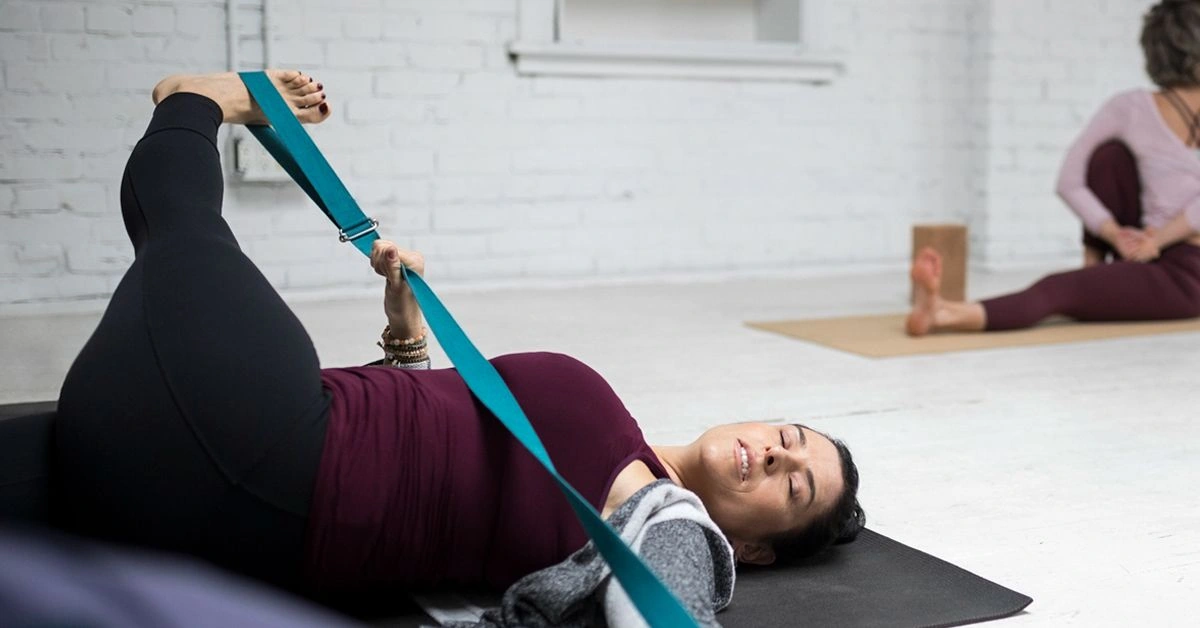
7 Stretches for Shin Splints
Sep 15, 2026 • 21 min read
Why Are Blisters Forming Between My Toes and How Do I Treat Them?
Jul 31, 2026 • 12 min read