The No BS Guide to Building Lean Muscle

- Muscle-building basics
- 1. Think outside of the gym
- 2. Toss out rules about reps
- Examples of Isotonic Exercises
- Examples of Isometric Exercises
- 3. Incorporate compound exercises
- 4. Modify movements to suit your needs
- The loss that comes with the gains
- 1. Look leaner
- 2. Burn more energy
- 3. Keep burning
- 4. Prevent accidents
- 5. Better posture
- 6. Ward off issues as we get older
- 3 Yoga Poses to Build Strength
- Get stronger with these courses and apps
- Takeaway
Developing muscle brings a host of advantages, from giving your physique a more toned look to lowering your chances of heart disease. Keep reading to discover additional perks and sample exercises to begin your journey.

Whether you call it resistance, strength, or weight training, virtually anyone can gain from increasing muscle mass. A more powerful core and limbs can reduce the risk of falls and make everyday tasks — like carrying groceries upstairs — easier.
Building muscle can also help you achieve a leaner body composition and support weight-loss goals, if that’s your aim.
According to researchers, resistance training:
- reduces blood pressure
- lowers cholesterol
- enhances balance
- boosts flexibility
- safeguards bone health
- assists with weight management
- alleviates pain
- helps prevent injury
- decreases cardiovascular disease risk
- slows age-related muscle decline
Studies indicate that muscle mass tends to decline with age, but resistance work can help counteract that loss.
Continue reading to understand why muscle matters and how to weave strength training into your routine to meet your objectives.
Muscle-building basics
Your body is one of the best tools for building muscle, and you don’t need a strict regimen to get results. Even 20 minutes of circuit-style resistance training can notably raise your total energy expenditure after exercise.
Pick movements or disciplines you enjoy and make strength work part of your lifestyle.
Try for two to three strength-focused sessions a week, such as:
- lifting weights
- completing a HIIT circuit
- performing bodyweight workouts
1. Think outside of the gym
The gym isn’t the only place to train. If you’re watching expenses or prefer privacy, bodyweight routines at home can still sculpt a leaner physique.
A recent study found that using lighter loads with higher repetitions can be just as effective for muscle growth as heavy weights with fewer reps. The key is to work until your muscles need a rest.
So, unweighted squats performed to failure can yield similar benefits to weighted squats — push until you genuinely can’t do another rep.
Aim for three sets, increasing repetitions as your strength improves.
2. Toss out rules about reps
If you favor holding lunges in a yoga class rather than pacing through walking lunges, you’ll still gain strength.
Strength movements generally fall into two categories: isotonic and isometric.
Isotonic moves maintain muscle tension while the muscle length changes during movement — walking lunges are an isotonic example.
Isometric moves hold the body in one position, keeping muscle length constant — a held lunge is isometric.
Include both isotonic and isometric exercises in your program. If joint pain is an issue, emphasize isometrics. Start by holding for 30 seconds and gradually increase duration.
Examples of Isotonic Exercises
- push-ups
- squats
- crunches
- donkey kicks
- triceps dips
Examples of Isometric Exercises
- plank
- Warrior Pose(s)
- wall sit
- boat pose
- glute bridge
For both categories, target three sets.
3. Incorporate compound exercises
Compound movements — those that engage multiple muscles or muscle groups — make your workouts more efficient, whether you’re doing reps or holding positions.
Think burpees, side-plank rotations, and mountain climbers. These not only work several muscles at once but also elevate heart rate and add cardio benefit, especially in HIIT formats.
4. Modify movements to suit your needs
Adjusting exercises is about meeting your current capabilities.
If traditional push-ups are too challenging, start with wall or bench push-ups at an incline. Over time you can progress toward floor push-ups.
Most moves have multiple regressions or “sister” exercises that achieve comparable outcomes. For instance, step-ups can replace box jumps if you lack equipment or want to be gentler on your pelvic floor.
| Exercise | Modification or “sister move” |
| Box jumps | Step ups |
| Pushups | Incline pushup (wall or bench) |
| Squats | Chair squats |
| Crunches | Standing bicycle crunches |
Before starting, consider doing research or booking time with a personal trainer who can show you appropriate movements for your needs.
The loss that comes with the gains
Whether your aim is a more sculpted look or fat loss, adding muscle helps on both fronts. Muscle also shields the body from injury and can reduce discomfort by correcting posture or imbalances.
1. Look leaner
A pound of muscle occupies less volume than a pound of fat, which explains why adding muscle can make you appear slimmer even if the scale doesn’t change. The notion that “muscle weighs more than fat” is misleading — a pound is a pound.
Building muscle can give you a firmer, more toned appearance without necessarily increasing weight dramatically.
And no matter your sex, you won’t unintentionally develop a bodybuilder’s physique without a specific, intensive diet and training plan. If that fear is holding you back, let it go.
2. Burn more energy
Muscle tissue expends more calories than fat tissue, both during activity and at rest, though the difference isn’t massive. If increasing calorie expenditure is a priority, build muscle mass.
3. Keep burning
After a workout your body works to recover and return to baseline, which produces extra calorie burn lasting hours to more than a day.
This phenomenon is called excess post-exercise oxygen consumption (EPOC). The harder your workout, the longer EPOC persists.
Research indicates strength training — particularly as part of HIIT — can increase and prolong EPOC.
4. Prevent accidents
Many day-to-day movements rely on the transverse abdominis, a muscle that acts like a corset around the spine.
Strengthening the transverse abdominis with resistance work helps protect against falls and other mishaps, and improves form for activities you enjoy.
5. Better posture
Muscles support our posture, whether we’re standing in line or sitting at a desk. Weak muscles and fatigue can lead to slumping, aches, and stiffness.
According to researchers, resistance exercise can promote healthier posture.
Strength training can also address muscular imbalances, such as excessive lordosis, which may reduce discomfort.
6. Ward off issues as we get older
Researchers estimate that after age 60 you may lose roughly 1 percent of muscle mass per year. This decline can contribute to fatigue, weight gain, and higher fracture risk.
Combining cardio with resistance training can help prevent age-related muscle loss — known as sarcopenia.
If your goal is weight loss, building muscle can make you look leaner, increase energy expenditure during and after workouts, and prevent future muscle decline.
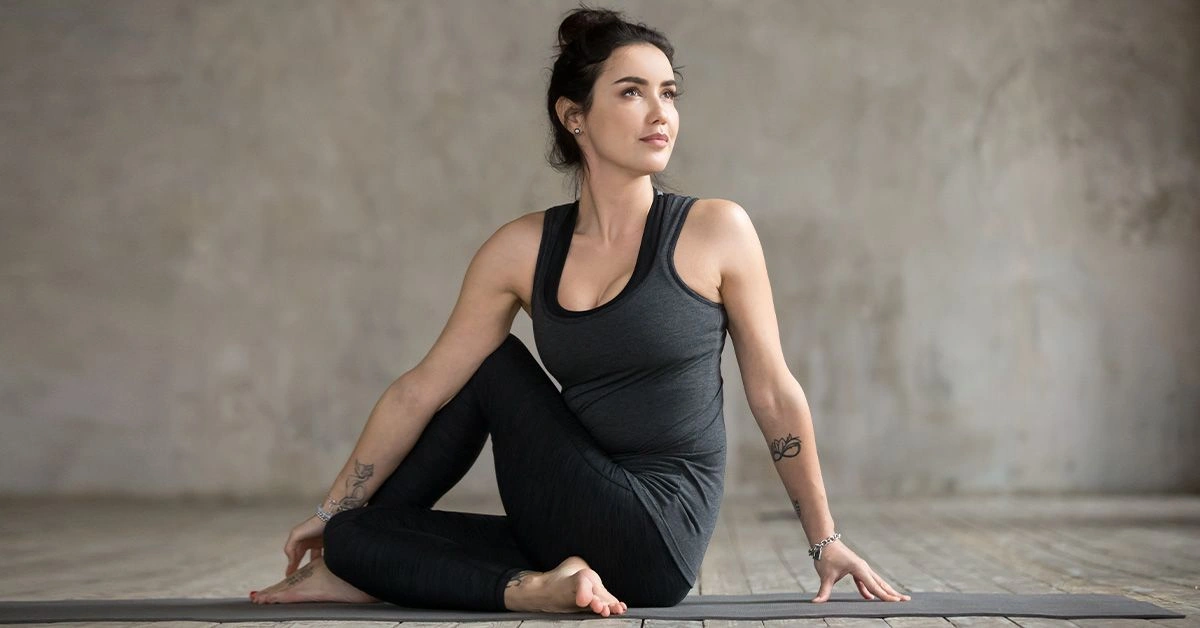
3 Yoga Poses to Build Strength
Get stronger with these courses and apps
You can design your own strength routine, but if you’d like guidance, inspiration, or structure, follow a program that matches your tastes, schedule, and budget.
- DailyOM offers 3-week courses with instructor-led videos delivered to your inbox. Courses are “pay what you want,” and after purchase you have ongoing access. DailyOM is great for yogis and those seeking joint-friendly HIIT workouts.
- Freeletics provides portable, equipment-free sessions tailored to your goals, fitness level, and age. This subscription app uses bodyweight plans that adapt to your feedback.
- BodyBoss offers a 12-week progressive HIIT program with a one-time fee — often more affordable than a gym membership. It includes a pre-training phase to prepare you, a supportive Facebook community, and modifications. Although aimed primarily at women, people of all genders can benefit.
- Bodyweight Training features over 200 exercises using bodyweight and household items. Choose among 10-week programs that suit your level or goals; the app costs $5 to download with optional in-app purchases.
Takeaway
Building muscle offers many advantages, including reducing blood pressure and cholesterol and contributing to a leaner appearance.
Incorporating resistance work like push-ups and planks into your routine can improve health, preserve mobility, and help you stay active and capable as you age.
Frequently Asked Questions
Aim for 2–4 strength-focused sessions per week, allowing rest days between sessions for recovery while targeting major muscle groups with compound and isolation movements.
No. You can build lean muscle with lighter loads and higher reps if you work near muscle fatigue. Progressive overload and consistency matter more than absolute weight.
Nutrition is essential—consume adequate protein to support muscle repair, maintain a slight calorie surplus for growth, and prioritize whole foods for recovery and energy.
Yes. Bodyweight exercises, resistance bands, and household items can effectively build muscle when you progressively increase intensity or volume.
Visible changes vary, but many people notice strength gains within weeks and physical changes within 6–12 weeks with consistent training and proper nutrition.
Read Next

Related Posts
Which Is Better — Using Free Weights or Machines?
Sep 15, 2026 • 21 min read
Try These Squats for Glutes for a Well-Rounded Workout
Sep 18, 2026 • 27 min read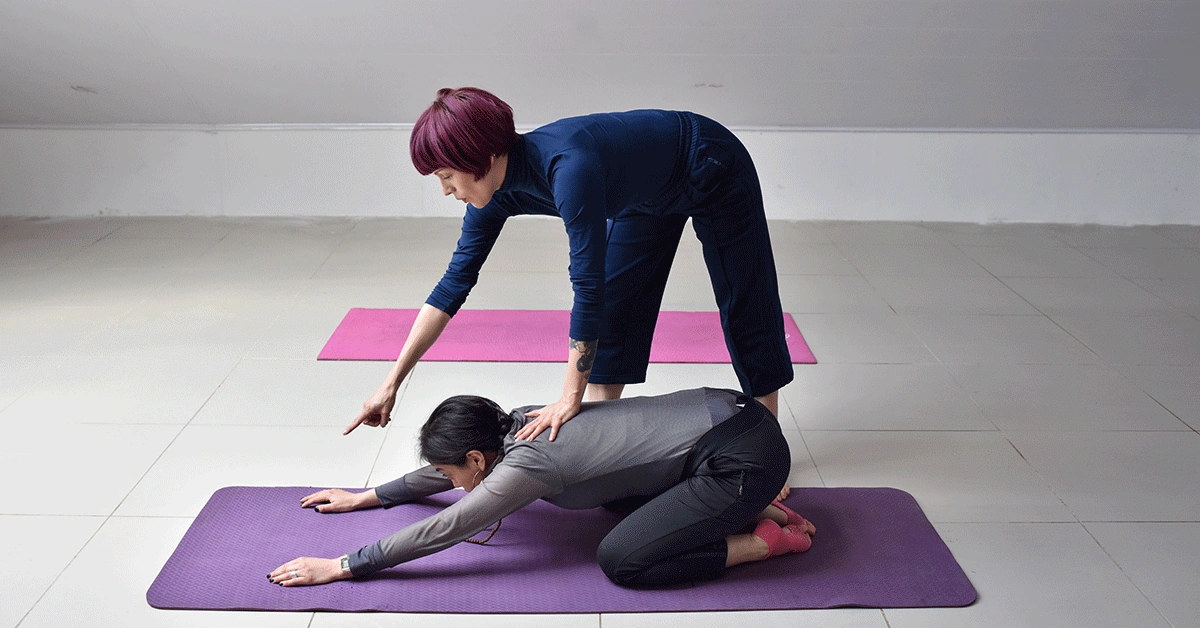
10 Ways to Stretch and Strengthen Your Lats
Sep 15, 2026 • 35 min read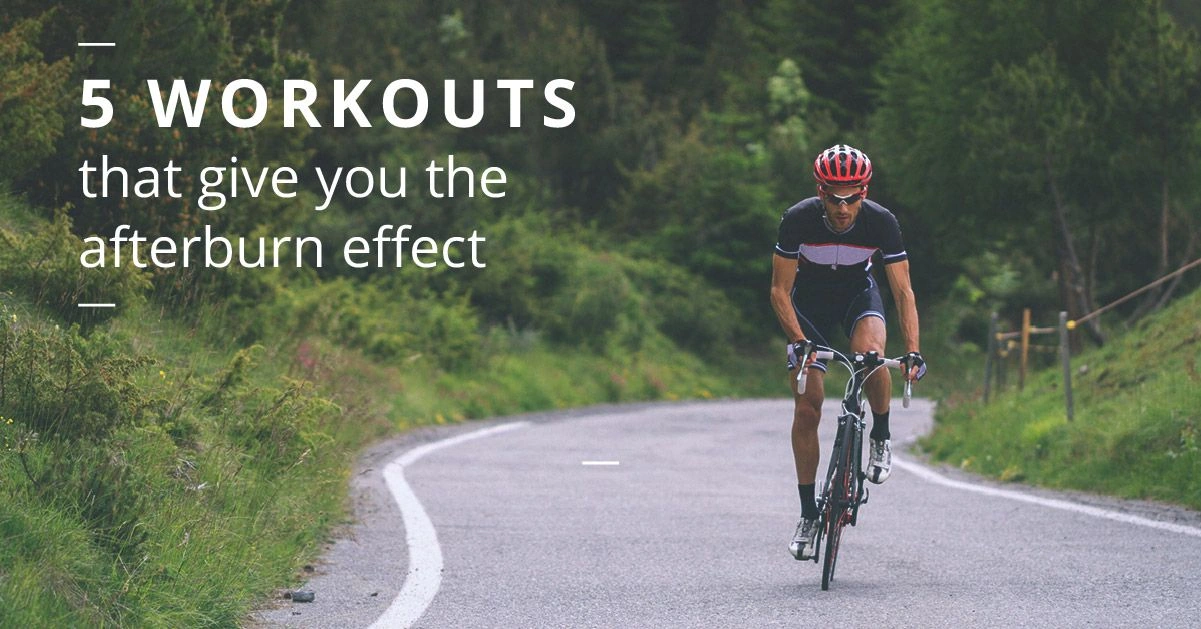
5 Workouts That Give You the Afterburn Effect
Aug 4, 2026 • 18 min read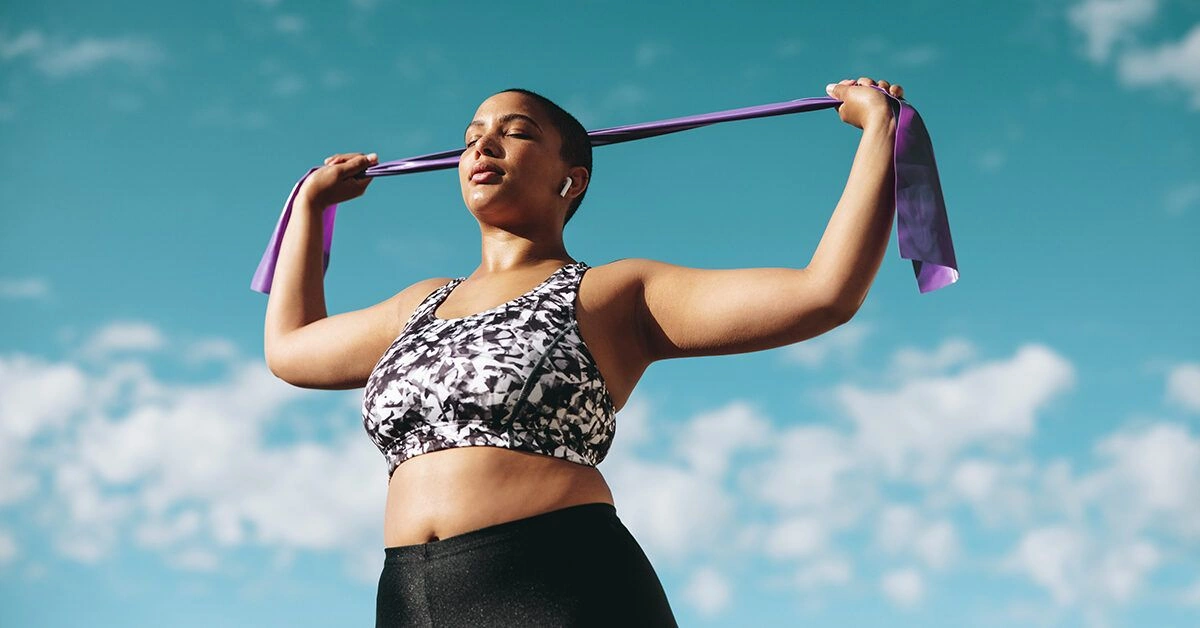
6 Resistance Band Exercises for Shoulders
Sep 19, 2026 • 4 min read