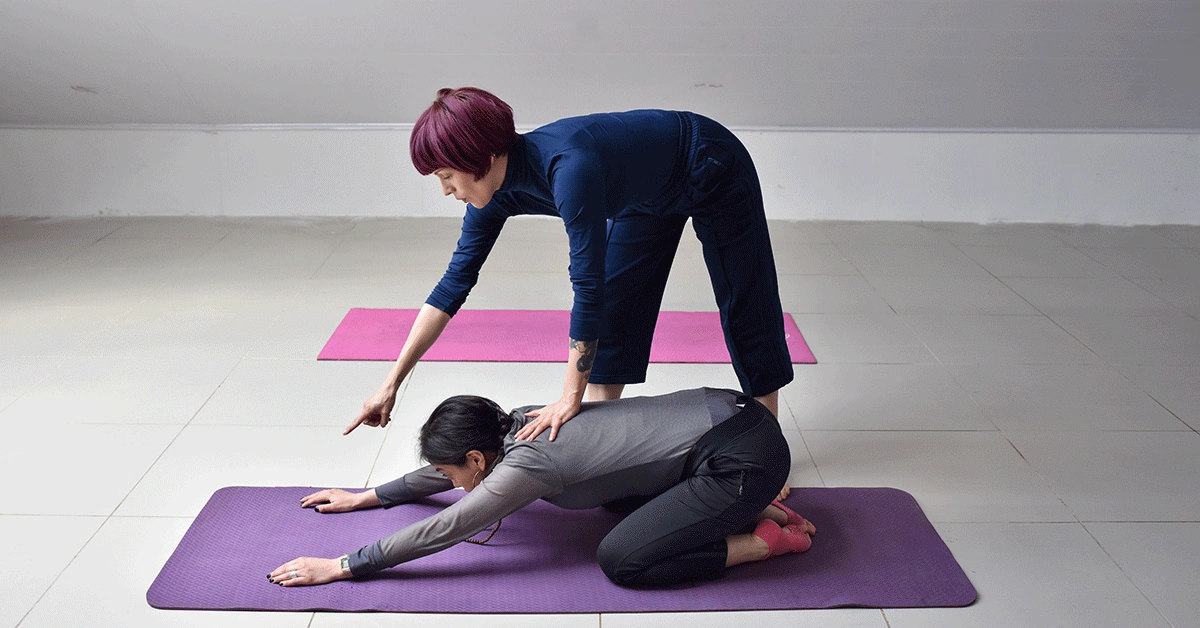
Pilates vs. Yoga: The Differences and What's Right for You


Yoga and Pilates are both forms of low-impact exercise that rely on using your own body weight for resistance. Each offers distinct advantages. Below is a side-by-side look to help you decide which might better support your fitness objectives.
Pilates, yoga, Yogilates, PiYo — they all sound similar and promise comparable workouts, so how do you pick? Both Pilates and yoga have changed considerably over time. With numerous styles available at studios and gyms worldwide, there’s likely an option that fits nearly everyone.
Both practices emphasize low-impact movements and bodyweight resistance, providing a wide range of benefits. Regular participation can boost overall well-being and contribute to a higher quality of life.
As with any physical activity, maintaining correct technique is essential. Adaptations are necessary for people with existing physical constraints.
Pilates
Pilates was created by Joseph Pilates toward the end of World War I and was originally used for rehabilitating injured soldiers. He introduced his method to the United States in 1923 and continued to refine it over the years.
Pilates may:
- build muscular strength and endurance
- enhance flexibility and alignment
- improve balance
- reduce joint discomfort
The practice centers on precise, small-range movements that engage key stabilizing muscles in the core and back. Emphasis is placed on beginning each movement with a controlled breath that activates the core muscles. Pilates can be practiced on a mat or on specialized apparatus. The machines are distinctive because they use springs, levers, and your body weight to create resistance.
Research indicates Pilates can be helpful for people with conditions such as:
- arthritis
- urinary incontinence
- respiratory disorders
- joint injuries
- lower back pain
Yoga

Yoga has its roots in India more than five thousand years ago and is first referenced in ancient Hindu texts known as the Vedas. It revolves around five core principles: See also: Happy Baby Pose.
- adequate relaxation
- physical exercise
- breath control
- nutritious eating
- positive thinking and meditation
Meditation and mindful breathing are central to yoga. While many styles exist, most classes involve holding poses and moving through sequences. Yoga is often described as a mind-body discipline that merges physical movement with mindful attention, heightening breath awareness and internal energy.
Extensive study shows yoga provides both physical and mental advantages and may also benefit various medical issues, including:
- anxiety
- depression
- multiple sclerosis
- arthritis
- respiratory illnesses
- high blood pressure
- chronic pain
- type 2 diabetes
Yoga vs. Pilates: Which Is Right?
Both yoga and Pilates are excellent forms of exercise. If you have medical concerns, consider consulting an instructor to determine the most appropriate practice for you.
Many yoga styles demand considerable joint flexibility and mobility, notably in the spine, hips, and wrists. Although most poses can be adjusted, individuals with pronounced limitations or pain might struggle in more advanced sessions.
There are numerous yoga varieties, such as restorative, acro, and chair yoga. Discovering the style that suits your body is important.
Pilates can be particularly suitable for older adults or people recovering from injuries because of its gentle movements and low-impact nature. Various forms of Pilates exist; they mainly differ by the equipment employed.
Equipment-based Pilates often mirrors mat movements but adds resistance. Mat-based Pilates is accessible for many, yet it can be tougher for those with limited mobility or weak core muscles.
Some Pilates formats can be costly and require access to specialized apparatus. Like yoga, Pilates should be adapted when necessary, but correct instruction and execution are vital to prevent harm.
Warnings
Adjust exercises if you have neck or back pain or breathing difficulties. Speak with your physician before beginning Pilates or yoga if you are pregnant or have other physical limitations.
Always check with your doctor and a qualified instructor prior to starting any exercise routine. Consider private sessions before joining a group class or following an online video. Poor technique or pushing beyond your limits can lead to injury.
Next steps
Both yoga and Pilates make valuable additions to a weekly fitness plan. They can help you achieve goals such as:
- developing long, toned muscles
- enhancing flexibility
- gaining mental clarity
- strengthening core stability
Yoga is excellent for deepening meditation, increasing flexibility, and improving balance. Pilates may be preferable for rehabilitation after injury and for enhancing posture and core strength.
Frequently Asked Questions
Pilates emphasizes precise core-driven movements and alignment, often using equipment; yoga combines poses, breath work, and meditation for flexibility, balance, and mental calm.
Pilates is typically better for targeted core strengthening and postural alignment, though many yoga styles also build core stability through sustained poses and flows.
Both can aid rehabilitation, but Pilates is frequently recommended for injury recovery and physical therapy due to controlled, low-impact movements and equipment options.
Yoga places more emphasis on meditation, breath control, and mindfulness, making it especially effective for reducing stress and improving mental well-being.
Consider your goals: choose Pilates for core, posture, and rehab; choose yoga for flexibility and mindfulness. Start with beginner or restorative classes and consult an instructor if you have health concerns.
Read Next
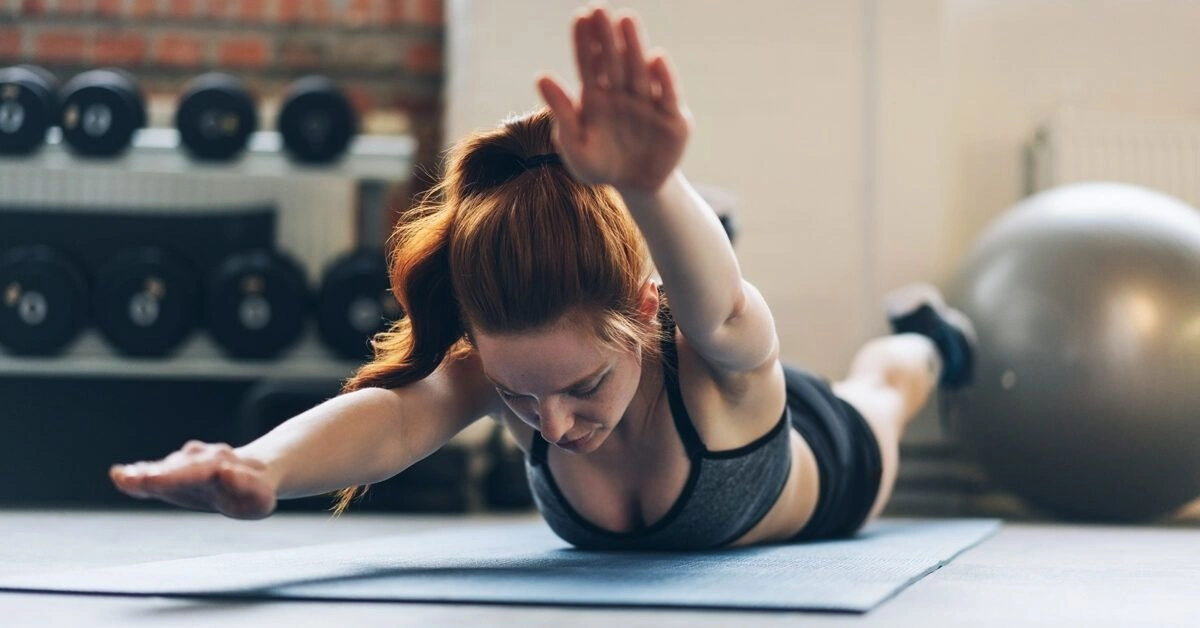
Try the Superman Exercise to Stand Tall and Proud
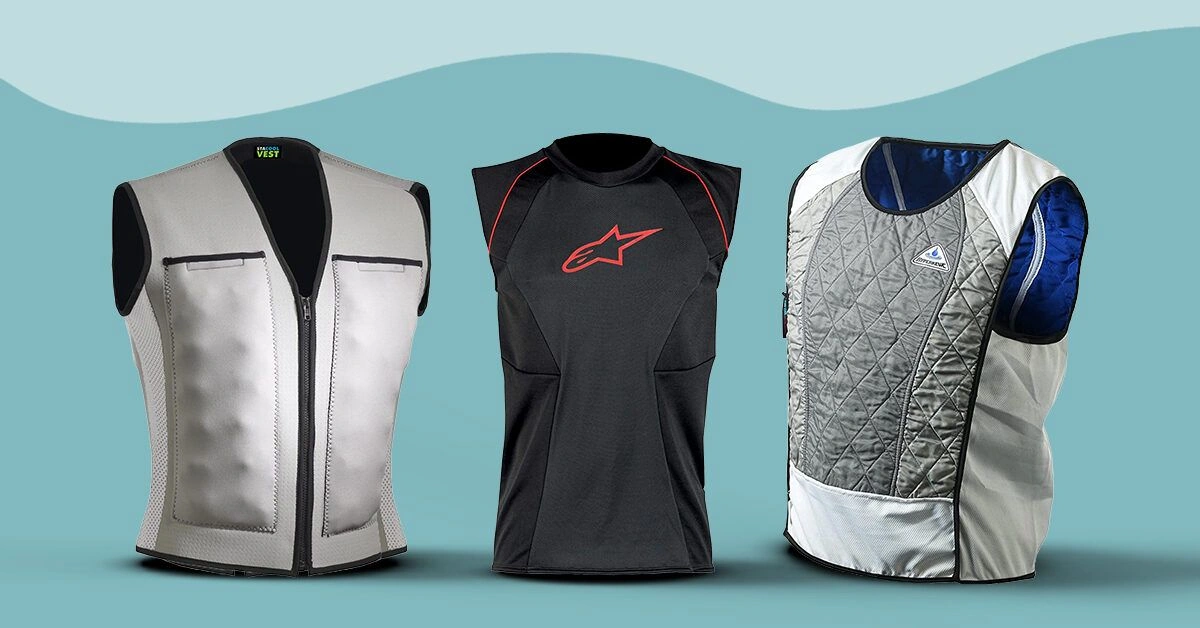
The 10 Best Cooling Vests for Multiple Sclerosis (MS)

Try These Squats for Glutes for a Well-Rounded Workout
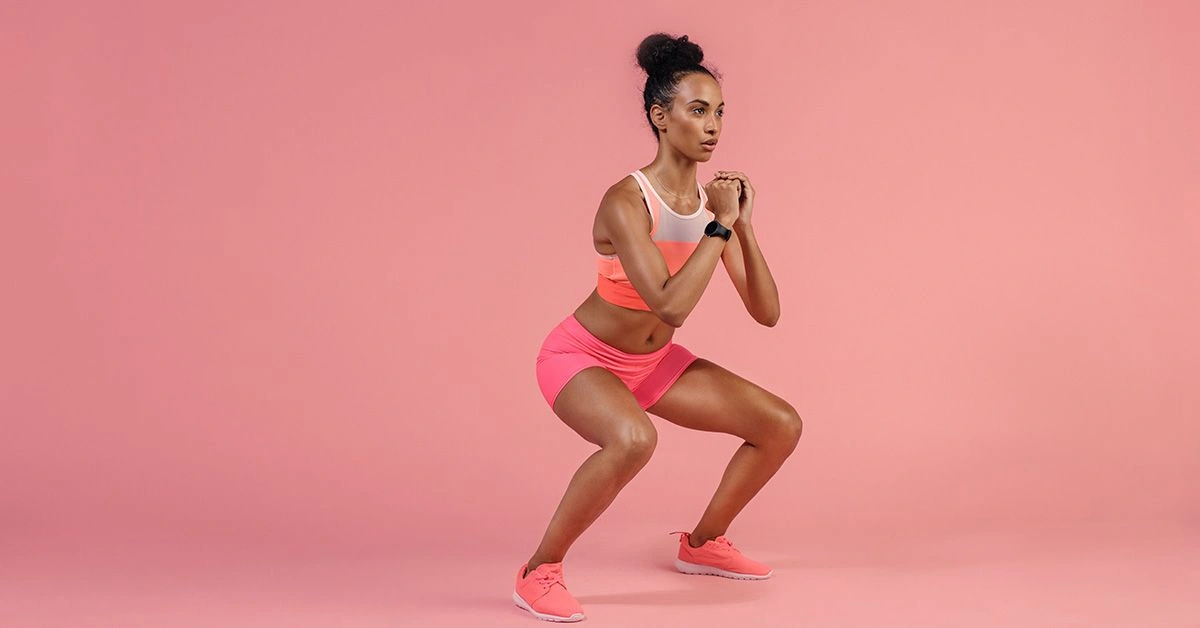
8 Alternatives to Leg Extension Exercises
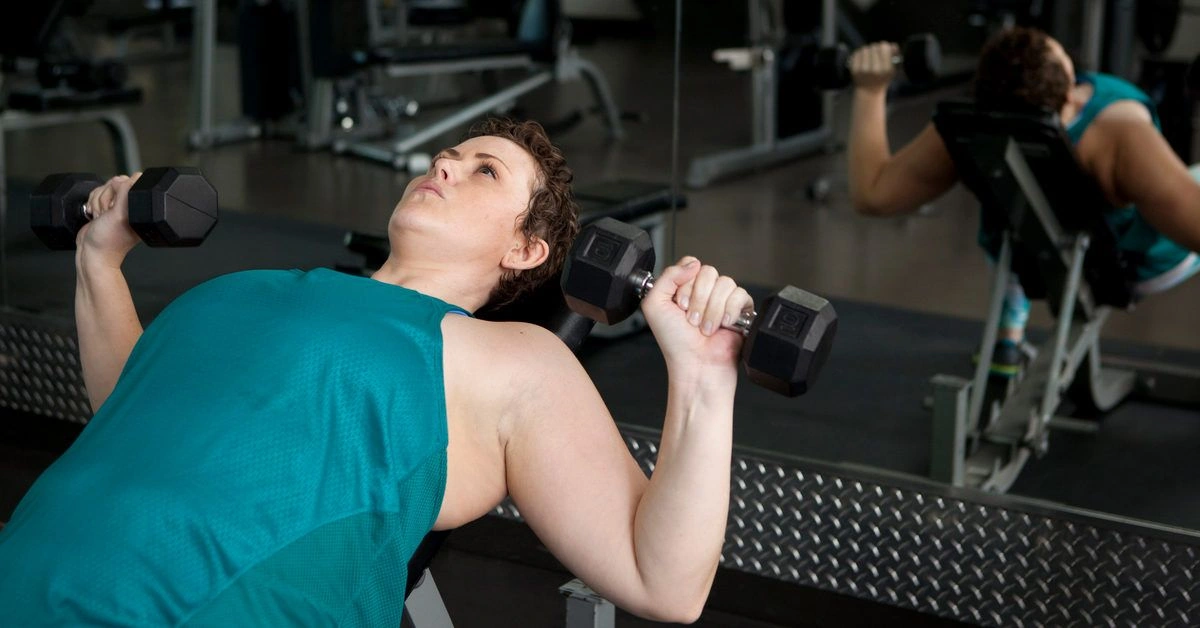
12 Bench Press Alternatives to Build Size and Strength
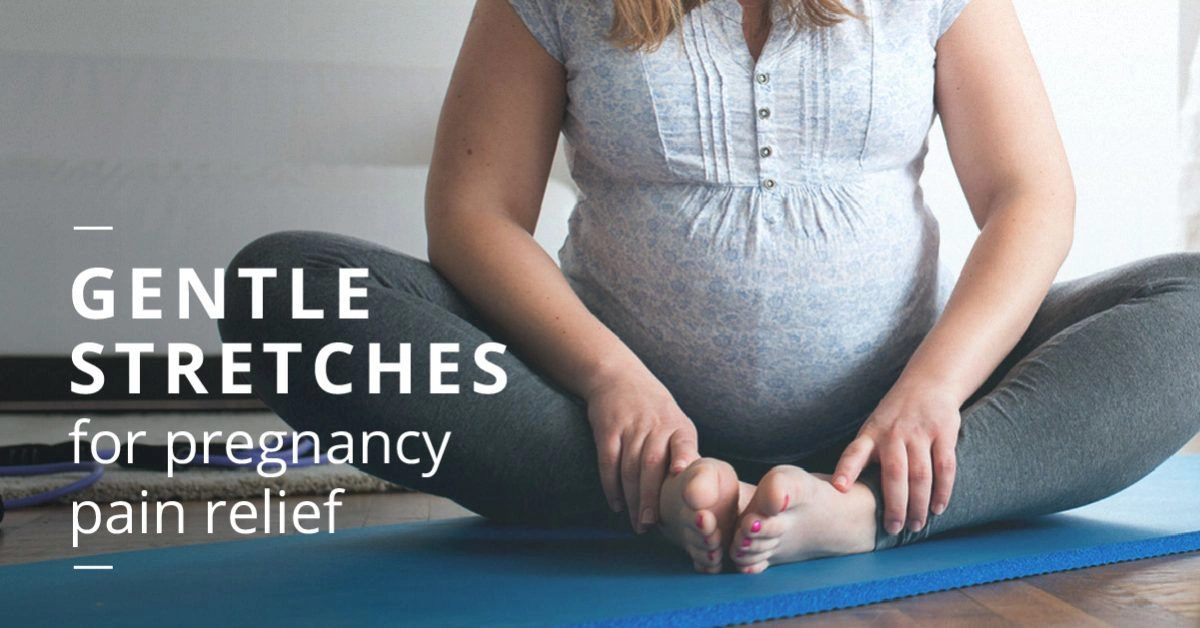
Pregnancy Yoga Stretches for Back, Hips, and Legs
Related Posts
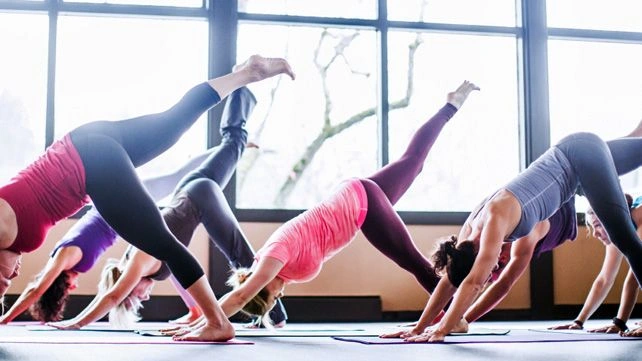
Ballistic Stretching: Is It Safe?
Oct 3, 2026 • 34 min read
How to Get Toned Arms: 7 Exercises
Sep 29, 2026 • 9 min read
How to Use a Sled Push to Build Power, Speed, and Endurance
Sep 28, 2026 • 30 min read
How Rear Lateral Raises Can Benefit Your Workout Routine
Sep 17, 2026 • 11 min read
8 Alternatives to Leg Curls
Sep 14, 2026 • 19 min read