What to Know About Acorn Squash


Acorn squash, a starchy vegetable, supplies carbohydrates and vitamin C. It may deliver several health advantages, including antioxidant support, aiding digestion, and more.

Acorn squash is a variety of winter squash in the Cucurbitaceae family — the gourd group that also contains pumpkin, butternut squash, and zucchini.
It resembles an acorn with ribbed skin that ranges in color from deep green to pale white. The most commonly cultivated types are dark green and often display a patch of vivid orange near the top.
The flesh of acorn squash is sweet and yellow-orange with a mildly nutty taste. It is grown across many regions worldwide and is particularly popular in North America.
Continue reading to discover more about acorn squash, including its nutrient makeup and potential health perks.
Acorn squash nutrition
Like other winter squashes, acorn squash is nutrient-dense, offering a solid supply of vitamins, minerals, and fiber.
One cup (see 205 grams ) of cubed, cooked acorn squash contains:
- Calories: 115 kcal
- Carbs: 29.9 g
- Protein: 2.3 g
- Fiber: 9 g
- Vitamin C: 22.1 milligrams (mg)
- Vitamin B6: 0.39 mg
- Folate: 39 micrograms (µg)
- Iron: 1.91 mg
- Magnesium: 88.2 mg
- Potassium: 896 mg
- Manganese: 0.49 mg
Health benefits of acorn squash
Thanks to its nutrient content, acorn squash offers several potential health benefits.
Packed with essential nutrients
Acorn squash is a nutritious carbohydrate option. It supplies a variety of vitamins and minerals that support health in multiple ways.
The bright orange interior of the squash is abundant in B vitamins, potassium, magnesium, iron, and manganese — all vital for good health.
Acorn squash provides a notable amount of vitamin C, a water-soluble nutrient that can help maintain strong bones and blood vessels.
A good source of antioxidants
Acorn squash contains many antioxidants, compounds that guard cells from damage.
Diets rich in antioxidants have been associated with a lower risk of chronic diseases such as heart disease and certain cancers.
This squash is particularly high in carotenoids, plant pigments with potent antioxidant activity.
Consuming foods containing carotenoids found in acorn squash, like zeaxanthin, may offer protection against:
- type 2 diabetes
- cardiovascular disease
- neurological disorders
- some cancers
Supports digestive health
Acorn squash provides dietary fiber, which supports healthy digestion.
Eating the skin of acorn squash adds extra fiber.
Following a high-fiber eating pattern may help lower the risk of conditions such as heart disease.
How to add acorn squash to your diet
Beyond its health benefits, acorn squash is tasty and extremely adaptable in the kitchen.
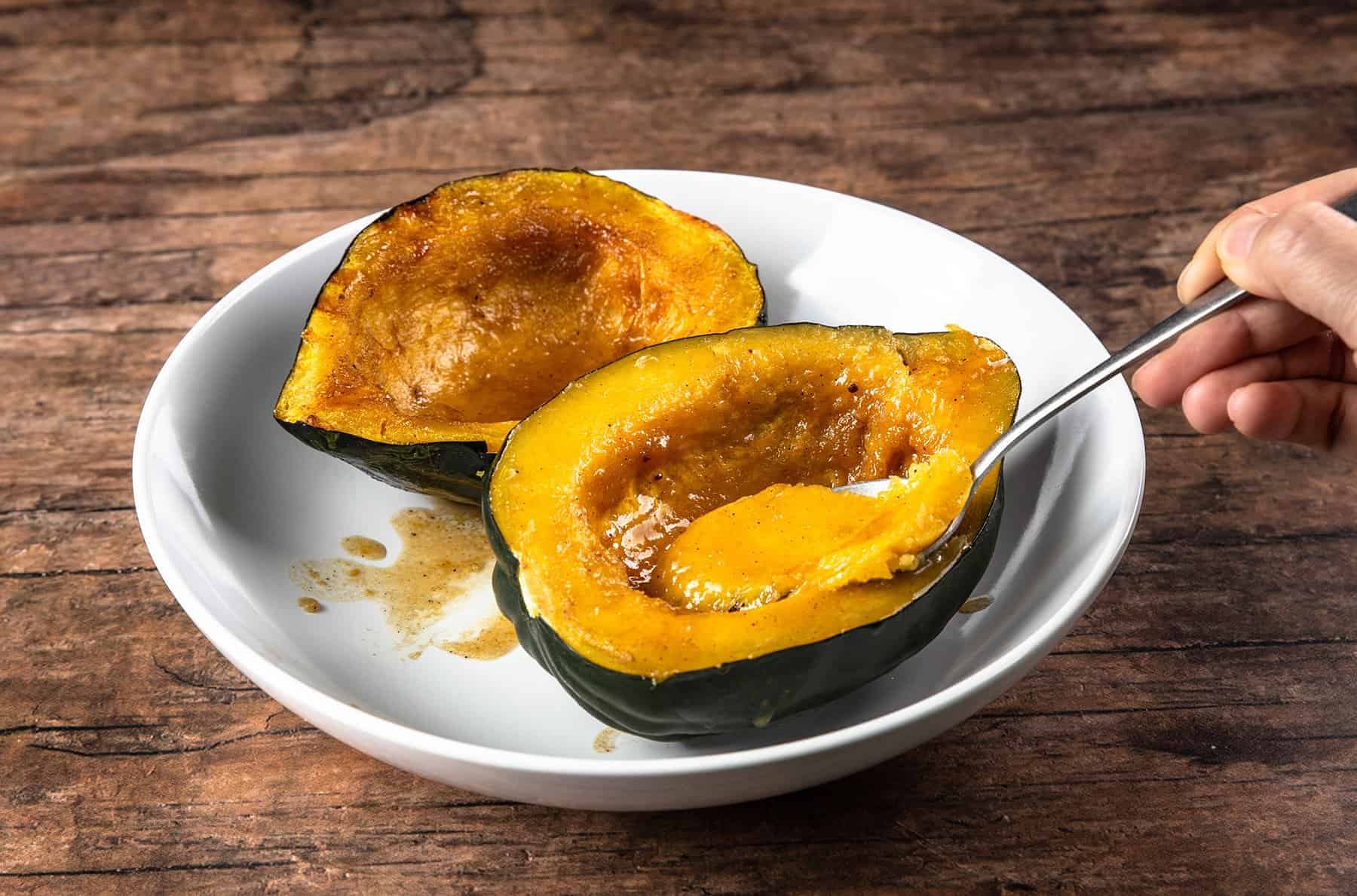
It’s a wholesome carbohydrate swap for other starchy vegetables like potatoes, sweet potatoes, butternut squash, and pumpkin.
With its slightly nutty profile, acorn squash works well in both sweet and savory recipes.
You can bake or roast it, or use the microwave for a speedy side.
Slicing and roasting acorn squash softens the rind, making it edible. Eating the skin increases the vegetable’s nutrient content, as the skin contributes fiber.
Here are some simple, delicious ways to include acorn squash in meals:
- Toss roasted cubes of acorn squash into salads for added color.
- Substitute pureed acorn squash for sweet potato or pumpkin in pies, breads, and muffins.
- Fill acorn squash halves with cooked quinoa, pumpkin seeds, dried cranberries, and goat cheese for a flavorful vegetarian entrée.
- Pair caramelized roasted acorn squash slices with pomegranate seeds, avocado slices, and arugula for an interesting salad.
- Mash baked acorn squash with olive oil, salt, and pepper as a tasty alternative to mashed potatoes.
- Blend cooked acorn squash with coconut milk, vanilla protein powder, cinnamon, almond butter, and frozen banana for a satisfying smoothie.
There are many ways to enjoy acorn squash. Use this flavorful winter squash instead of your usual starchy choices to bring variety to your dishes.
The bottom line
Acorn squash is rich in nutrients such as fiber, vitamin C, potassium, and magnesium.
It also contains beneficial plant compounds, including carotenoid antioxidants.
Because of these qualities, acorn squash may support overall health, aid digestion, and help protect against conditions like type 2 diabetes and heart disease.
This vibrantly colored winter squash is a versatile ingredient that enhances both sweet and savory preparations.
Frequently Asked Questions
Acorn squash supplies carbohydrates, fiber, vitamin C, B6, folate, iron, magnesium, potassium, and manganese, along with carotenoid antioxidants.
Yes. When roasted or baked until tender, the rind becomes edible and adds extra fiber and nutrients.
Common methods include roasting, baking, steaming, microwaving, and stuffing halves with grains or fillings; it also works pureed in soups and baked goods.
Yes. Its dietary fiber supports healthy digestion and can promote regularity and beneficial gut function.
Acorn squash contains carotenoids and other antioxidants that may help protect cells from damage and support reduced risk of chronic diseases like heart disease and diabetes.



Related Posts

What Is the Budwig Diet, and Does It Prevent Cancer?
Aug 6, 2026 • 18 min read
10 Tasty Wild Berries to Try (and 8 Poisonous Ones to Avoid)
Aug 16, 2026 • 17 min read
What's the Difference Between Kosher and Halal Diets?
Aug 22, 2026 • 35 min read
All About the Chinese Body Clock
Sep 1, 2026 • 22 min read
8 Surprising Health Benefits of Cloves
Jul 30, 2026 • 6 min read