

It’s normal to experience an occasional bruise after a minor bump or injury. Still, bruising can sometimes signal an underlying medical concern, such as varicose veins or leukemia. Understanding the Age of bruising and how bruises develop can help you determine whether a mark on your skin is part of routine healing or something that requires medical evaluation.
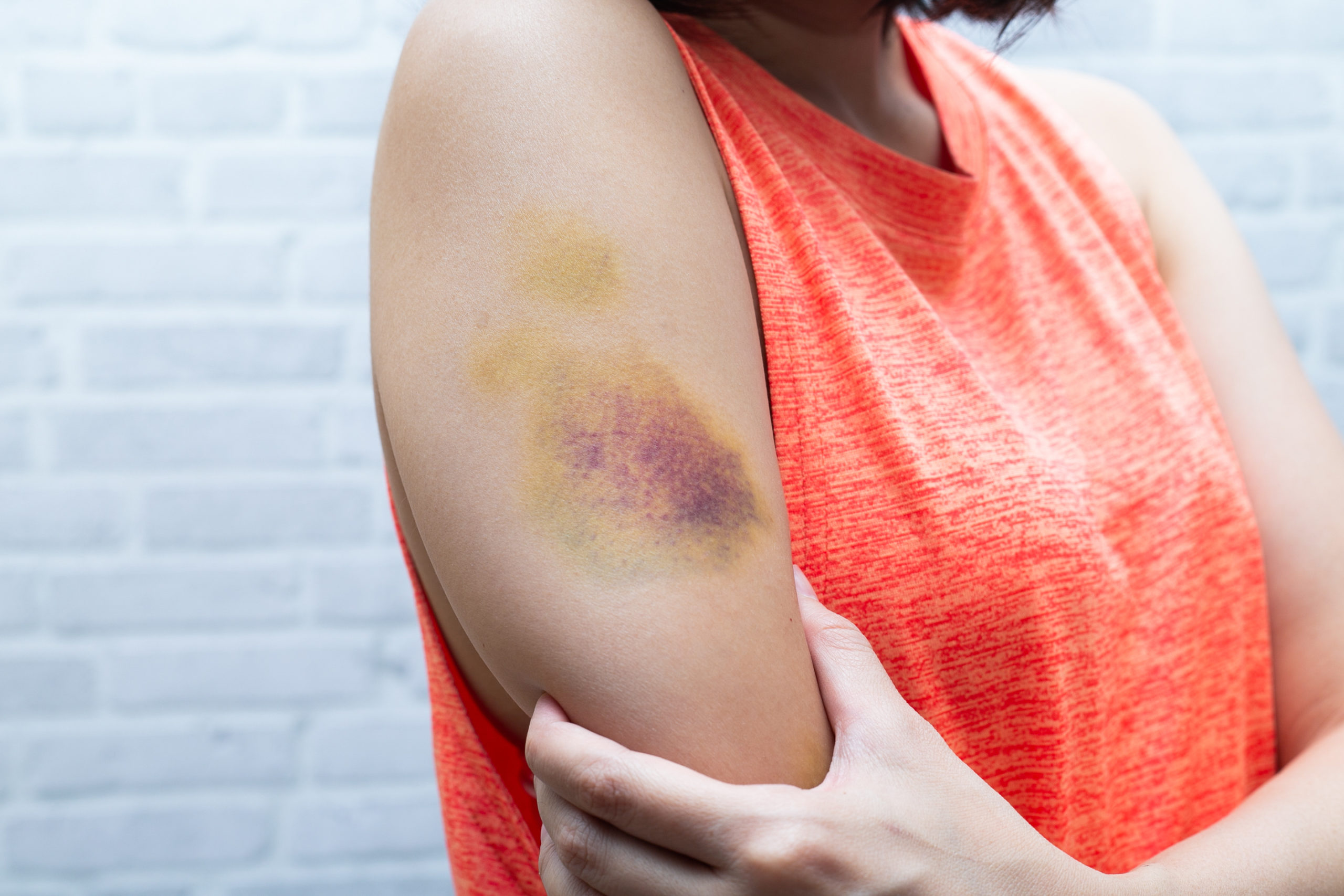
Bruises—often called black and blue marks—are medically known as contusions. Their color and appearance may vary depending on your skin tone and the stage of healing. A bruise forms when trauma, such as a cut or a direct blow to the body, damages tiny blood vessels called capillaries. When these capillaries rupture, blood leaks and becomes trapped beneath the skin’s surface, leading to visible discoloration.
Bruising can happen at any stage of life. Some contusions cause little discomfort and may go unnoticed. Although most bruises are harmless and resolve on their own, knowing how to assess the Age of bruising, manage symptoms, and recognize warning signs that require emergency medical attention is essential for overall health and safety.
What different types of bruises are there?
Bruises are categorized into three types based on where they occur in the body:
- Subcutaneous bruises: These develop just under the skin’s surface and are the most common type.
- Intramuscular bruises: These occur within the underlying muscle tissue and may cause more swelling and discomfort.
- Periosteal bruises: These form on the bones and are often more painful due to the sensitivity of the periosteum.
The location of the bruise can influence both the severity of symptoms and the healing timeline.
Causes of bruising
Frequent causes of bruising include:
- minor accidents, such as bumping into furniture or a doorframe
- sports-related injuries
- motor vehicle accidents
- head injury
- ankle sprain
- muscle strain
- direct blows from an object
- medications that thin blood, such as aspirin or warfarin (Coumadin)
When evaluating the Age of bruising, it is helpful to consider the event that caused it. In many cases, the color changes of a bruise can provide clues about how long it has been present. You can explore more about this process in Age of bruise based on color, which explains how bruises typically progress during healing.
Health conditions that can cause bruising
While most bruises result from physical trauma, certain medical conditions may make you more susceptible to bruising.
These include:
- thrombocytopenia
- leukemia
- varicose veins
- deep vein thrombosis (DVT)
Deep vein thrombosis is a serious condition that occurs when a blood clot forms in a vein located deep inside the body. It is considered a medical emergency. Urgent care may be required. If bruising is accompanied by swelling, warmth, or pain in a limb, immediate medical evaluation is critical.
Bleeding disorders that can cause bruising
Several bleeding disorders are also linked to easy or frequent bruising. These include:
- Von Willebrand disease
- hemophilia A
- Christmas disease
- factor VII deficiency
- factor X deficiency
- factor V deficiency
- factor II deficiency
With these disorders, the blood does not clot properly, increasing the likelihood of visible bruises even after minimal trauma.
What are the symptoms and signs of bruises?
The symptoms of a bruise vary depending on its cause and severity. Skin discoloration is usually the earliest noticeable sign. The appearance differs according to skin tone:
- On dark skin tones, bruises may appear brown, purple, or darker than the surrounding skin.
- On medium skin tones, bruises may look red or yellow.
- On light skin tones, bruises often appear red or purple.
As the bruise heals, its color gradually changes—a key factor in estimating the Age of bruising. In darker skin tones, early-stage bruises can be more subtle and harder to detect.
Pain, tenderness, and mild swelling are also common. These symptoms generally lessen as healing progresses. Monitoring the evolution of color and discomfort can help you track recovery.
How to treat bruises
Most bruises resolve without medical intervention. Symptom relief can usually be managed at home using the following measures:
- Apply an ice pack: Use ice to minimize swelling. Wrap the ice pack in a cloth to avoid direct contact with the skin. Apply for 15 minutes at a time and repeat hourly as needed during the first 24 hours.
- Rest the affected area: Limiting movement helps prevent further irritation.
- Elevate the area: If possible, raise the bruised body part above heart level to reduce blood pooling in the tissue.
- Take acetaminophen (Tylenol): This over-the-counter medication can help ease pain. Avoid additional blood-thinning medications unless advised by a healthcare professional.
Gentle care during the early stages may reduce discomfort and support the natural healing process.
Finding quality dermatological care as a person of color
Consulting a dermatologist experienced in treating skin of color can be especially helpful. These specialists are typically familiar with how various conditions, including bruising, present across diverse skin tones and can tailor care accordingly.
You may locate qualified professionals through organizations such as the Skin of Color Society.
Accessing specialized care is not always simple and may involve financial or logistical barriers. In such cases, learning to advocate for yourself during medical visits—by asking detailed questions and requesting clear explanations—can help ensure you receive appropriate care.
Are some people more likely to bruise?
Certain groups may be more prone to bruising:
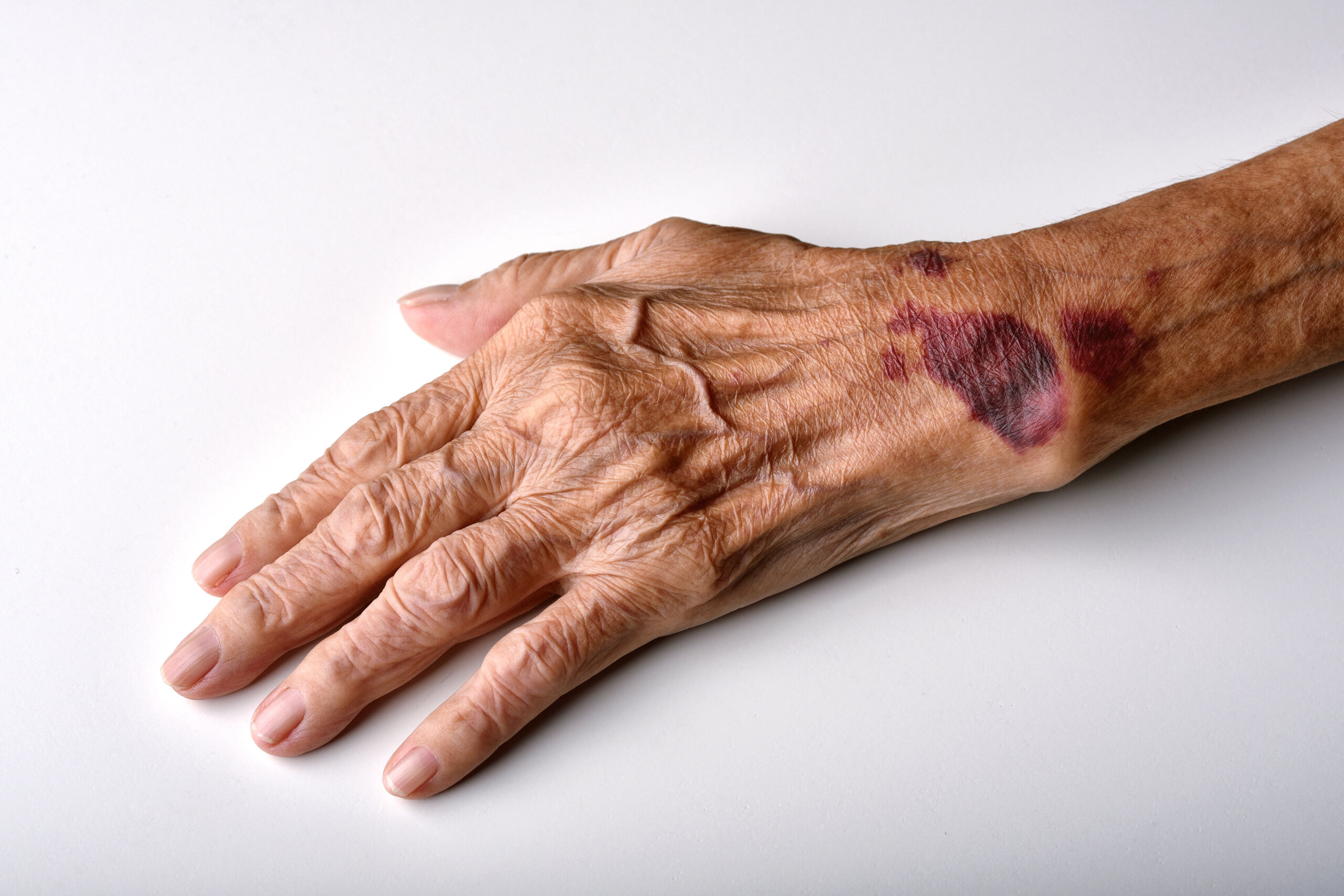
- Older adults: Bruising tends to be more common with advancing age. As skin becomes thinner and loses protective fat, capillaries are more likely to break.
- Women: Women may be more prone to bruising due to differences in fat distribution, collagen levels, and estrogen.
You might also observe bruising after injections, blood draws, or from wearing tight-fitting clothing that puts pressure on the skin.
In most situations, easy bruising is not cause for concern. However, if you suddenly begin bruising more frequently or without clear cause, it is wise to consult a healthcare professional to explore possible underlying factors.
When should you speak with a doctor about a bruise?
Bruises that form after a cut, burn, fall, or impact are generally part of the body’s healing response. It’s also common to feel a small lump in the bruised area as tissue repairs itself. Most of the time, these are harmless.
However, certain signs may indicate a more serious issue. Seek medical care if you experience:
- increased bruising while taking aspirin (Bayer) or other blood thinners
- significant swelling and pain in the bruised area
- bruising after a severe blow or fall
- bruising along with a suspected broken bone
- bruising without an identifiable cause
- bruising accompanied by bleeding from the gums, nose, or mouth
- bruising with blood in the urine, stool, or eyes
- a wound that bruises, reopens, and produces pus, clear liquid, or blood
If a child develops unexplained bruises, a healthcare professional should evaluate the situation promptly. In children, unexplained bruising may indicate a serious medical condition or possible abuse and must not be ignored.
Takeaway
Experiencing an occasional bruise from minor trauma—such as bumping into a doorframe—is common. Nevertheless, bruising can also be associated with medical conditions like varicose veins and leukemia.
Paying attention to the Age of bruising, the frequency of occurrence, and accompanying symptoms can help you decide when to seek care. If bruises appear repeatedly, develop without clear cause, or fail to improve over time, consult a healthcare professional. Persistent or unexplained bruising may point to an underlying condition that requires timely diagnosis and treatment.





















Leave a Reply
You must be logged in to post a comment.