

Over time, heavy alcohol consumption can produce symptoms similar to dementia. However, these effects can be slowed — and in some cases improved — if you stop drinking.
“Alcoholic dementia” is an older label often applied to what clinicians now call alcohol-related dementia or alcohol-induced major neurocognitive disorder. These phrases are used interchangeably to describe a serious form of alcohol-related brain damage (ARBD).
ARBD is a cognitive decline that stems from prolonged, excessive alcohol use.

It’s worth noting that alcohol-related dementia is sometimes mixed up with Wernicke-Korsakoff syndrome. While they share overlapping features, their origins differ. Wernicke-Korsakoff syndrome arises from a thiamine (vitamin B1) shortage, although heavy drinking can be a contributing factor to that deficiency.
What are the symptoms of alcohol-related dementia?
The manifestations of alcohol-related dementia closely resemble those seen in age-related dementia, according to research.
Possible symptoms of alcohol-related dementia include difficulties with:
- memory (particularly forming new long-term memories)
- attention and concentration
- problem-solving and planning
- setting and pursuing goals
- making decisions
- organizing tasks
- motivation
- physical balance, even when sober
Symptoms usually develop gradually and worsen if drinking continues.
What causes alcohol-related dementia?
Research indicates that long-term alcohol intake accelerates brain ageing, leading to changes in areas such as:
- memory
- spatial awareness
- executive functioning
These alterations can significantly disrupt daily life, making routine activities like cooking or managing finances challenging. Over time, they can also change mood, personality, and social interactions.
A major 2022 study of 36,678 relatively healthy middle-aged and older adults found related connections between habitual alcohol use and brain alterations.
Participants who drank about three units of alcohol per day in the prior month showed reductions in both white and gray matter, making their brains appear roughly three and a half years older. For context, one unit equates to about a half pint of beer or a small glass of wine.

How is alcohol-related dementia diagnosed?
If you suspect you may have alcohol-related dementia, it’s important to consult a healthcare provider.
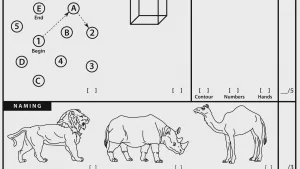
They will likely begin with a physical examination and questions about your physical and psychological symptoms. You may also be asked to complete a questionnaire assessing memory and cognitive function.
Depending on what they find, a brain scan might be ordered to exclude other issues such as stroke, tumor, or bleeding from head injury.
Information collected during the evaluation helps clinicians exclude other dementia types, including Alzheimer’s disease or vascular dementia.
How is alcohol-related dementia treated?
The initial goal of treatment is to stop alcohol consumption. This process can take several weeks and may require medical oversight.
Those with a long history of heavy drinking may go through alcohol withdrawal, which can involve symptoms like:
- disorientation
- agitation
- mood swings
A physician can prescribe medications to ease withdrawal. You may also receive fluids, electrolytes, and thiamine via injection.
After withdrawal, referral to a mental health professional for further support is common. Participating in a support group can also be beneficial during recovery.
In many cases, symptoms stop progressing and may improve after abstinence. In some situations, clinicians might prescribe medications such as rivastigmine or memantine, drugs more commonly used to treat Alzheimer’s disease symptoms.
Is alcohol-related dementia reversible?
If you cease drinking, partial reversal of alcohol-related dementia is possible. Studies indicate that some recovery of the brain’s white matter can occur, accompanied by gains in cognitive and motor function.
The bottom line
Alcohol-related dementia is a serious form of brain damage resulting from years of heavy alcohol use. It can cause dementia-like signs, including memory impairment and shifts in mood.
If you think you might have this condition, contact a healthcare professional promptly to explore treatment choices. Early intervention improves the likelihood of recovery.
If you’re worried about your drinking but are unsure what to do or don’t feel ready to talk to a clinician, the SAMHSA National Helpline, 1-800-662-HELP (4357), provides free, confidential assistance.















Leave a Reply
You must be logged in to post a comment.