
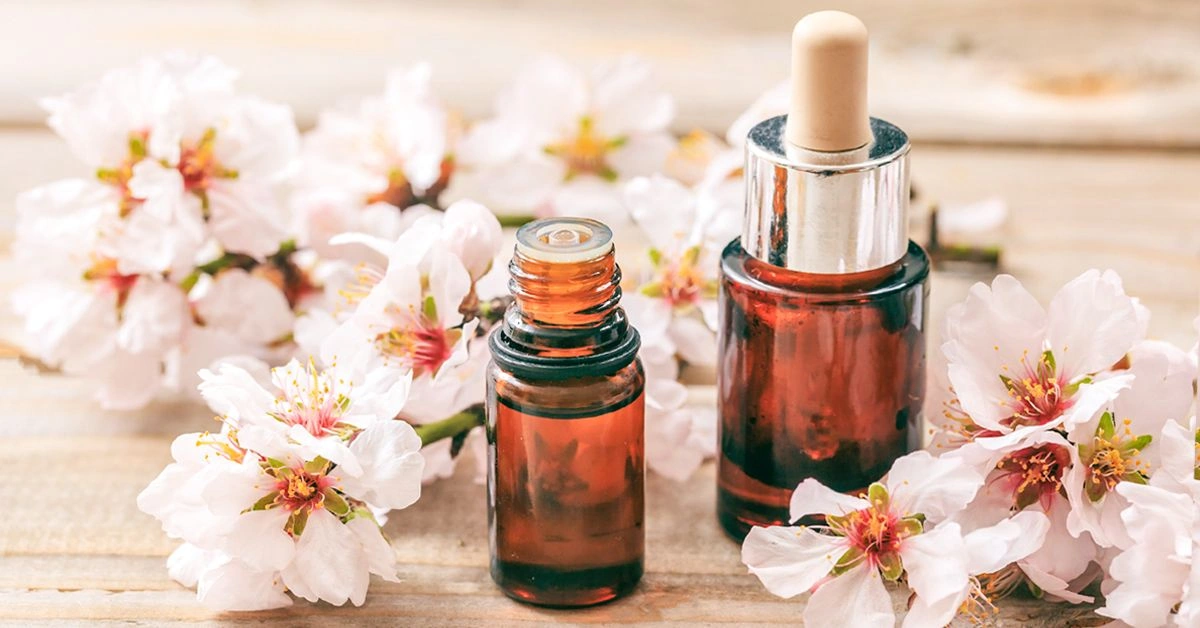
Sweet almond oil is preferable for topical use compared with the bitter variety. Rich in nutrients and possessing anti-inflammatory qualities, it’s a popular skincare ingredient. That said, if you don’t already know you’re allergic to almonds, perform a small patch test before applying broadly.
:max_bytes(150000):strip_icc()/USED_Almond-Oil-for-Skin-3795-1x1-hires-164da0e34ff6495995ffbd905bd5672b-2d57508287ff402fbade2f82a0a2cade.jpg)
Almonds aren’t only a tasty snack or trail mix addition. The oil derived from them can offer several advantages for your skin.
Traditional Chinese and Ayurvedic medicine have applied almond oil for generations to soften and calm the skin and to treat minor cuts and abrasions. Today, almond oil appears in many cosmetics and beauty products.
Below, we examine the nutrients in almond oil, its potential skin benefits, and practical ways to use it on your face.
What nutrients are found in almond oil?
Almond oil comes in two varieties: sweet and bitter. Sweet almond oil is the one generally suitable for skincare. It contains these nutrients:
- Vitamin A: The retinoid components of vitamin A can encourage the formation of new skin cells and help smooth fine lines.
- Vitamin E: A powerful antioxidant, vitamin E may help protect against cell damage and can lessen ultraviolet (UV) harm to the skin from sun exposure.
- Omega-3 fatty acids: These fats may help delay premature aging and provide some defense against sun-related damage.
- Zinc: An important nutrient for healing acne scars or other facial scars, though zinc tends to be more effective when consumed orally.
What advantages does almond oil offer for the face?
There’s extensive research supporting the benefits of eating almonds, but fewer rigorous studies focus specifically on topical almond oil. Nonetheless, clinical research and anecdotal reports suggest that applying almond oil topically may provide the following benefits:
- Reduces puffiness and dark under-eye circles. As an anti-inflammatory, almond oil may help diminish swelling in delicate skin areas.
- Enhances complexion and evens skin tone. Thanks to its emollient effects, it can potentially improve overall complexion and skin tone.
- Soothes dry skin. Almond oil has long been used to alleviate dryness associated with conditions like eczema and psoriasis.
- May help with acne. Its fatty acids can help break down excess surface oil, while natural retinoids may support cell turnover and reduce acne appearance.
- Can help counter sun damage.Animal studies suggest that vitamin E, present in almond oil, might reduce UV-related skin damage.
- May lessen scar visibility. Used traditionally in Chinese and Ayurvedic remedies to minimize scarring, the vitamin E in the oil may help smooth scarred skin.
- Helps reduce stretch marks. A 2016 study indicated that sweet almond oil could be an effective option for preventing and reducing the appearance of stretch marks.
Is topical almond oil safe?
Generally, almond oil is safe for skin use, but a few precautions are warranted.
- If you have a nut allergy, avoid almond oil.
- If this is your first time using almond oil, perform a patch test before applying it to your face.
- To patch test, dab a small amount on the inside of your wrist or elbow. If no redness, itching, burning, or swelling appears within a few hours, the oil is likely safe for topical use.
How can you use almond oil on your face?
There are several ways to incorporate almond oil into your facial routine.
Some people use it as a gentle makeup remover—indeed, it’s a frequent component in natural makeup-removing products.
Almond oil also works well blended into cleansers or used as a moisturizing oil.
As a makeup remover
To remove makeup, dispense a small amount—about the size of an M&M—into your palm. With your fingertips, gently massage the oil onto areas with makeup.
Wipe away with cotton pads or rinse with warm water, then wash your face with your preferred cleanser.
As a cleanser
Almond oil functions as a carrier oil, meaning it can help other essential oils penetrate the skin more effectively.
You can combine almond oil with skin-friendly essential oils like rosehip, lavender, rose geranium, or lemon. Always patch test the essential oil on your inner elbow or wrist before applying it to your face.
Add a few drops of essential oil per ounce of almond oil and blend well. Massage the mixture onto damp skin and rinse with warm water. As an oil cleanser, you might need to rinse twice to remove any residue.
As a moisturizer
Almond oil can be used as a hydrating oil.
After cleansing and drying your skin, gently pat a small quantity—about half the size of a dime—onto your face and allow it to absorb. When used as a moisturizer, there’s no need to rinse it off.
Consider also exploring similar lightweight oils like jojoba oil for face if you’re looking for alternatives.
The bottom line
Almond oil has a long history of use for soothing, softening, and repairing the skin. With anti-inflammatory and emollient attributes and a nutrient-rich profile, it remains a widely used skincare ingredient.
It’s typically safe, but those with nut allergies should avoid it. If you haven’t tried almond oil before, perform a patch test before applying it to your face.
If you’re uncertain whether almond oil is suitable for your skin, consult your physician or a dermatologist prior to use.






















Leave a Reply
You must be logged in to post a comment.