
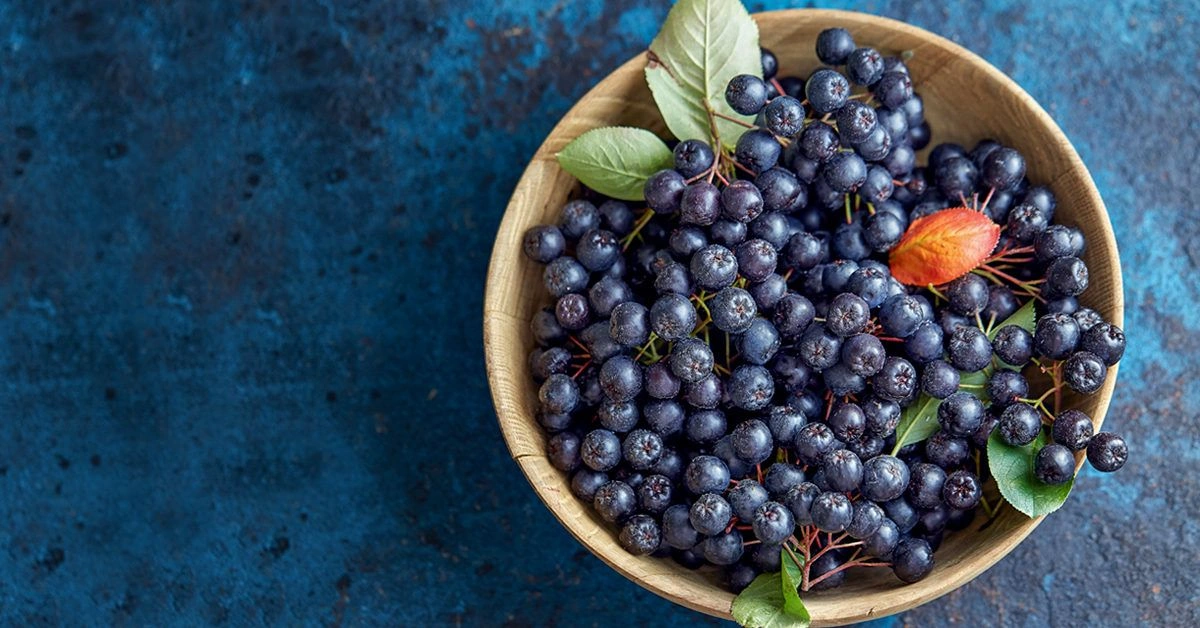
Aronia berries (Aronia melanocarpa) are tiny, dark-hued fruits that have gained attention among people focused on health and wellness.
They’re regarded as one of the most concentrated plant-based sources of antioxidants, which are believed to provide a range of health-supporting effects.
This article covers everything you need to know about aronia berries, from their nutritional profile to potential benefits and possible drawbacks.
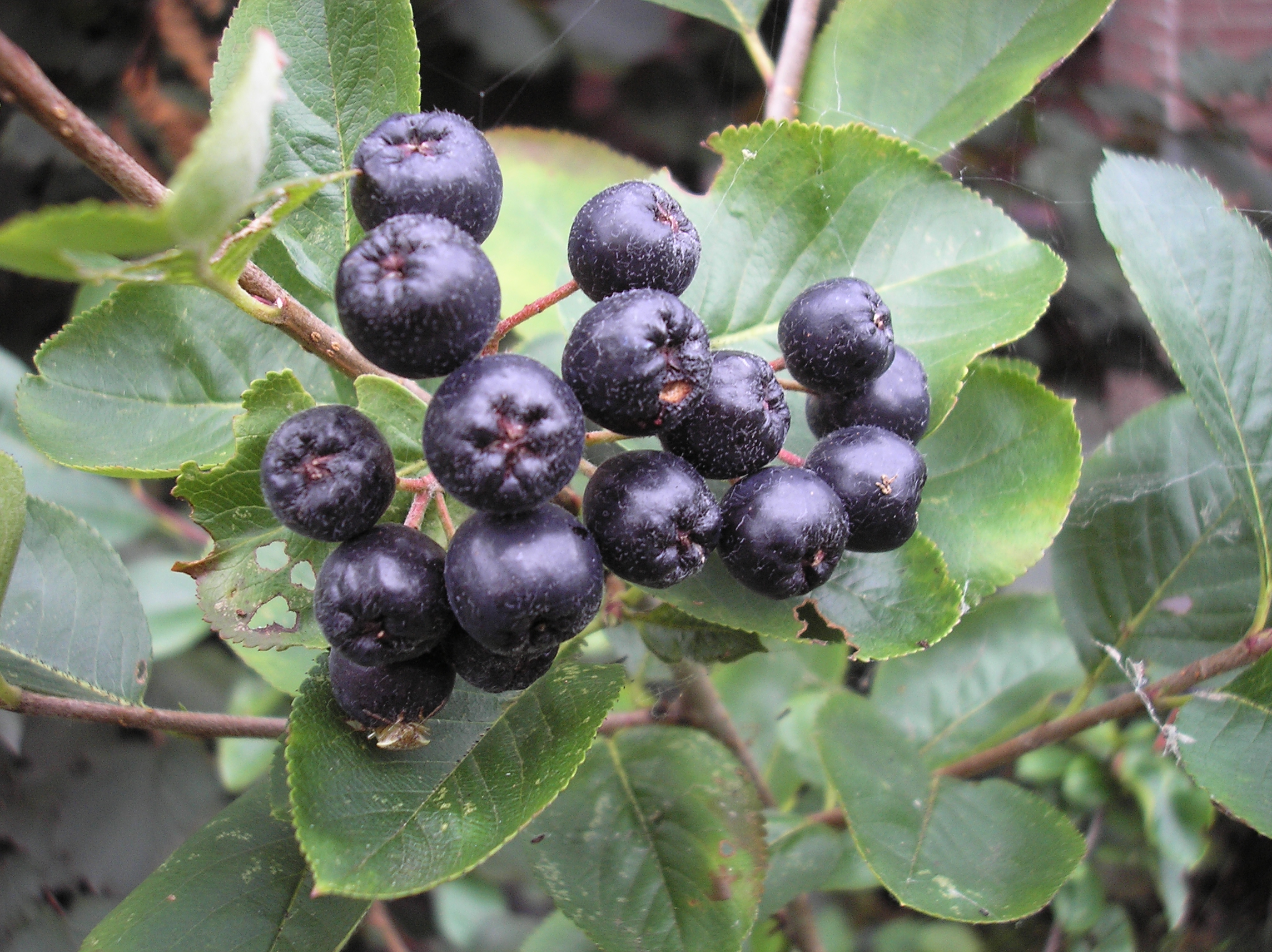
What are aronia berries?
Also called chokeberries, aronia are small, dark fruits that develop on shrubs in the Rosaceae family (1).
They originate from North America but are cultivated in various regions worldwide, including many parts of Europe (2).
Traditionally, Native American communities used them to help treat colds and related ailments (1).
Because they create a pronounced mouth-drying sensation, aronia berries are most commonly processed into juices, purees, jams, jellies, syrups, teas, and wines (1, 3).
They are also sold fresh, frozen, dried, and as powders.
Summary: Aronia berries are small fruits that produce a drying sensation in the mouth. They’re added to a variety of foods and drinks and also sold as supplements.
Aronia berry nutrition
Low in calories but nutritionally robust, aronia berries are high in fiber, vitamin C, and manganese (4).
They also provide vitamin K, folate, iron, and vitamins A and E.
Importantly, they’re an outstanding source of antioxidants, which help shield cells from damaging free radicals. Aronia berries are particularly rich in anthocyanins, the pigments that produce their deep blue-black shade (5).
Summary: Aronia berries are nutrient-dense yet low in calories. They provide fiber, vitamin C, manganese, and a wealth of antioxidants.
Potential health benefits of aronia berries
Aronia berries exhibit antioxidant and anti-inflammatory effects (5, 6).
These properties may protect cells from damage and support health in several ways.
Contain powerful antioxidants
Aronia berries are loaded with antioxidants (6, 7).
These molecules defend cells against harm from free radicals. When free radicals accumulate, they can cause oxidative stress, which is linked to chronic diseases like heart disease and cancer (3).
Aronia are an excellent source of polyphenols, a family of antioxidants that includes phenolic acids, anthocyanins, and flavanols (3, 8, 9).
Laboratory studies have shown that aronia antioxidants can suppress free radical activity (7, 10).
Compared with several other berries, aronia demonstrated superior antioxidant capability in some tests (7, 9).
In another laboratory study that used blood samples from 30 healthy individuals, extracts from aronia significantly reduced oxidative stress induced by an antipsychotic drug within 24 hours (11).
Lab research has also associated these antioxidants with other beneficial effects, including reduced inflammation and diminished growth of certain bacteria and colon cancer cells (12, 13, 14, 15).
May have anticancer effects
Aronia berries might offer protection against some cancers (16).
Animal and in vitro studies suggest anthocyanins from aronia can halt the proliferation of colon cancer cells (14, 17, 18).
One older lab study reported that 50 mg of aronia extract decreased colon cancer cell growth by 60% after 24 hours, likely due to the strong antioxidant action of anthocyanins (14).
Extracts from the berries have also been linked to reduced oxidative stress related to breast cancer.
In an earlier study, these extracts appeared to enhance the effects of chemotherapy agents in treating pancreatic cancer (19).
Nevertheless, current evidence is limited and more human trials are required to determine whether aronia berries truly help prevent or treat cancer.
May benefit intestinal health
Recent studies indicate that aronia polyphenols can stimulate the growth of beneficial gut microbes, supporting digestive health and the gut lining. This effect has also been associated with improved cardiovascular markers and reduced intestinal inflammation (15, 20, 21).
May benefit heart health
Thanks to their antioxidant and anti-inflammatory actions, aronia berries may support cardiovascular health (22, 23).
They may be particularly helpful for people with metabolic syndrome — a set of conditions, including elevated cholesterol and triglycerides, that raises the risk of heart disease and type 2 diabetes (22, 24).
A 2019 trial reported that aronia supplementation reduced inflammation in epithelial tissue and improved vascular function in healthy participants (20).
A 2021 review found that taking aronia berry supplements daily for 6–8 weeks significantly lowered blood cholesterol and systolic blood pressure, with stronger effects seen in people older than 50 (25).
More human research is necessary to clarify the role aronia might play in heart health.
May provide immune support
Aronia berries may help bolster immune function (12).
One laboratory study showed aronia extracts had strong antibacterial effects against potentially harmful bacteria like Escherichia coli and Bacillus cereus, acting in part by reducing the bacteria’s ability to form protective biofilms (13).
In a 3-month study in residents of six nursing homes, those who consumed either 89 or 156 mL (3 or 5.3 ounces) of aronia juice daily experienced 38% and 55% fewer urinary tract infections, respectively (26).
Aronia may also decrease inflammation by inhibiting pro-inflammatory mediators, such as tumor necrosis factor alpha (TNF-ɑ) and interleukin-6 (IL-6), which could support immune health (12, 27).
There is also evidence suggesting potential antiviral actions.
In one study of young football players, daily aronia extract supplementation improved iron metabolism, blood antioxidant status, and athletic performance (28).
Summary: Aronia berries are rich in antioxidants that may help fight cancer, and support cardiovascular and immune health.
Possible downsides
Research suggests aronia berries are safe for consumption and generally free of serious side effects (23, 29).
However, long-term safety studies are still limited.
Remember that aronia are highly astringent, producing a dry, rough sensation in the mouth, so many people prefer not to eat them plain (3, 30).
Instead, consider incorporating them into other foods and beverages like yogurt, smoothies, or juices.
Summary: Aronia berries are generally safe with no major side effects; their main drawback is the astringent, mouth-drying sensation.
How to add them to your diet
Although aronia berries may not be common in every supermarket, they’re widely sold at health food shops and online.
They’re frequently processed into juice and are key in jams, purees, syrups, teas, and wines (1, 3).
Ways to include aronia berries in your diet:
- Raw.They can be eaten fresh or dried as a snack, though the astringent mouthfeel may not appeal to everyone.
- Juices and smoothies.Blend aronia berries or their juice with fruits like pineapple, apple, or strawberry for a tasty beverage.
- Baking.Fold them into muffins, cakes, or pies.
- Jams and desserts.Cook aronia with sugar to make jams and other sweet preparations.
- Tea, coffee, and wine.Aronia is often used as an ingredient in teas, wines, and some specialty coffee blends.
The berries are also sold as powders or capsules, and serving suggestions vary by manufacturer.
A common recommendation is to add one teaspoon of aronia powder to a juice, yogurt, or smoothie.
Capsules may contain freeze-dried berries or concentrated extracts, so dosages differ widely.
Two human trials investigating cardiovascular effects used 300 mg of aronia extract per day (23, 24).
Because supplements aren’t tightly regulated, determining a universally safe and effective dose is difficult.
Still, concentrated aronia products have not been associated with adverse effects in studies (23, 29).
If you plan to try aronia supplements, consult your healthcare provider before purchasing a product.
Summary: Aronia berries are easy to incorporate into many recipes and are available as powders and capsules.
The bottom line
Aronia berries, commonly called chokeberries, grow on shrubs in the Rosaceae family.
They’re high in fiber, vitamin C, and potent antioxidants that may support heart health, immune function, and possibly offer anticancer effects.
You can use fresh aronia in recipes, enjoy them in juices, jams, and syrups, or take them as a supplement.






















Leave a Reply
You must be logged in to post a comment.