
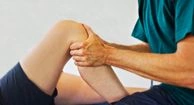
Arthrofibrosis, often referred to as stiff knee syndrome, can develop after a knee injury or following knee surgery, including total knee replacement. Gradually, excessive scar tissue accumulates inside the joint, causing the knee to tighten and contract.
Scar tissue from arthrofibrosis can markedly reduce the knee’s range of motion. In severe situations, it can lead to a permanent inability to fully bend or straighten the knee.
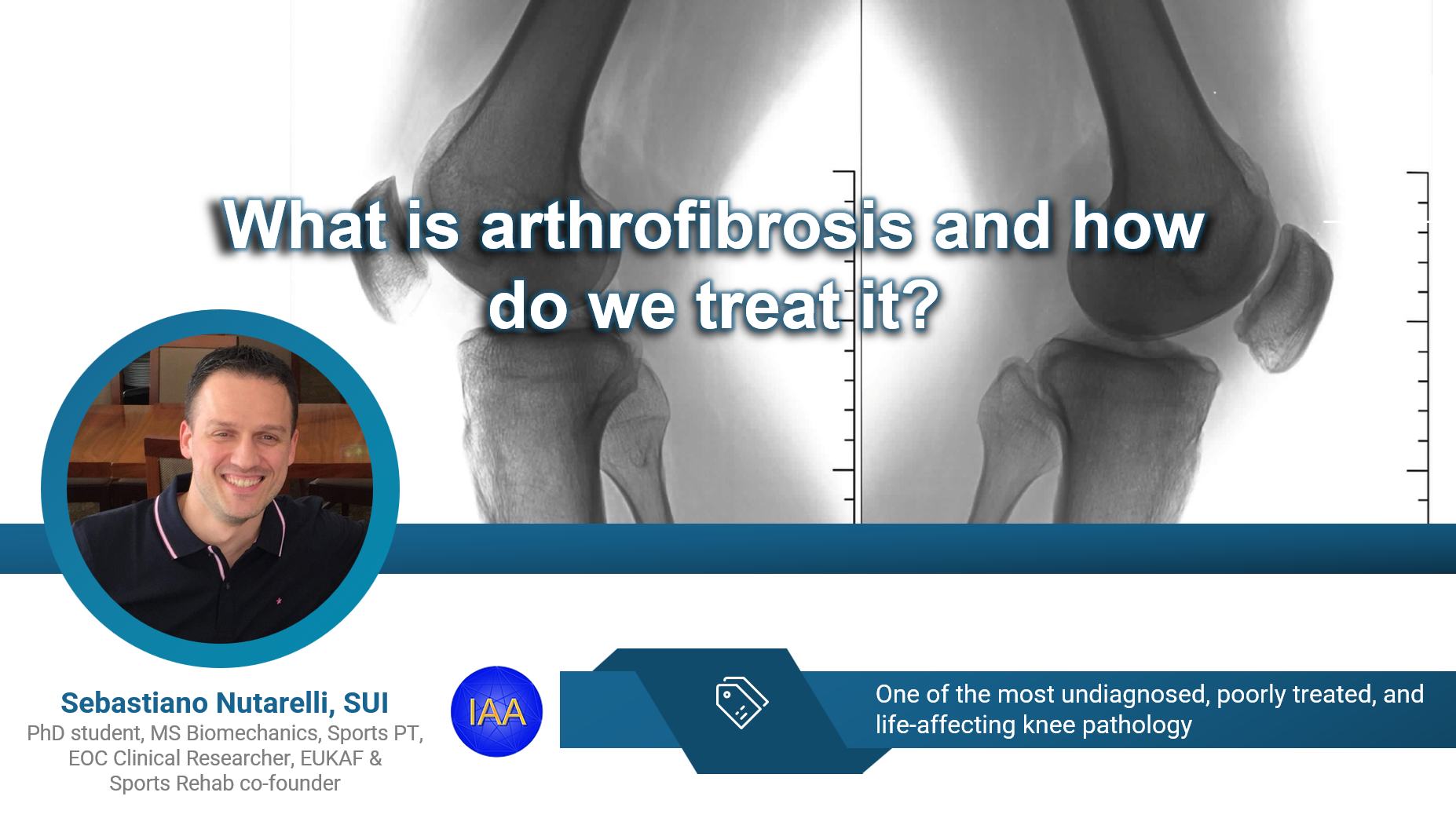
What are the symptoms of arthrofibrosis?
The overall occurrence of arthrofibrosis is quite low. Some degree of stiffness after a total knee replacement is common. Mild stiffness may persist for months or even years and can become more noticeable after activity. When arthrofibrosis develops, the following signs are commonly seen:
Flexed knee gait
Your gait describes the pattern and style of your walking and reflects knee alignment and mobility. Walking with a persistently bent knee may signal stiffness and could suggest the onset of arthrofibrosis.
Increasing knee pain
Typically, pain diminishes gradually following surgery. If you notice pain intensifying, consult your physician. Increasing pain, especially when accompanied by decreased flexibility, can indicate arthrofibrosis.
Persistent swelling
Arthrofibrosis produces swelling in the soft tissues surrounding the knee, which differs from fluid-related swelling. Your doctor can identify the cause of the swelling and recommend appropriate treatment.
Weak quadriceps
If you cannot activate your quadriceps muscle at the front of your thigh or have trouble moving the leg, ask your clinician to evaluate the knee for possible arthrofibrosis.
Warmth around the knee
Feeling warmth around the knee is normal in the immediate postoperative period. However, contact your healthcare provider if the sensation of heat persists beyond two to three weeks.
Risk factors for arthrofibrosis
The chance of developing arthrofibrosis rises with the severity of the knee trauma and the duration of surgical procedures. Prolonged immobilization increases risk, which is why keeping the knee moving during recovery is important.
What are the treatments for arthrofibrosis?
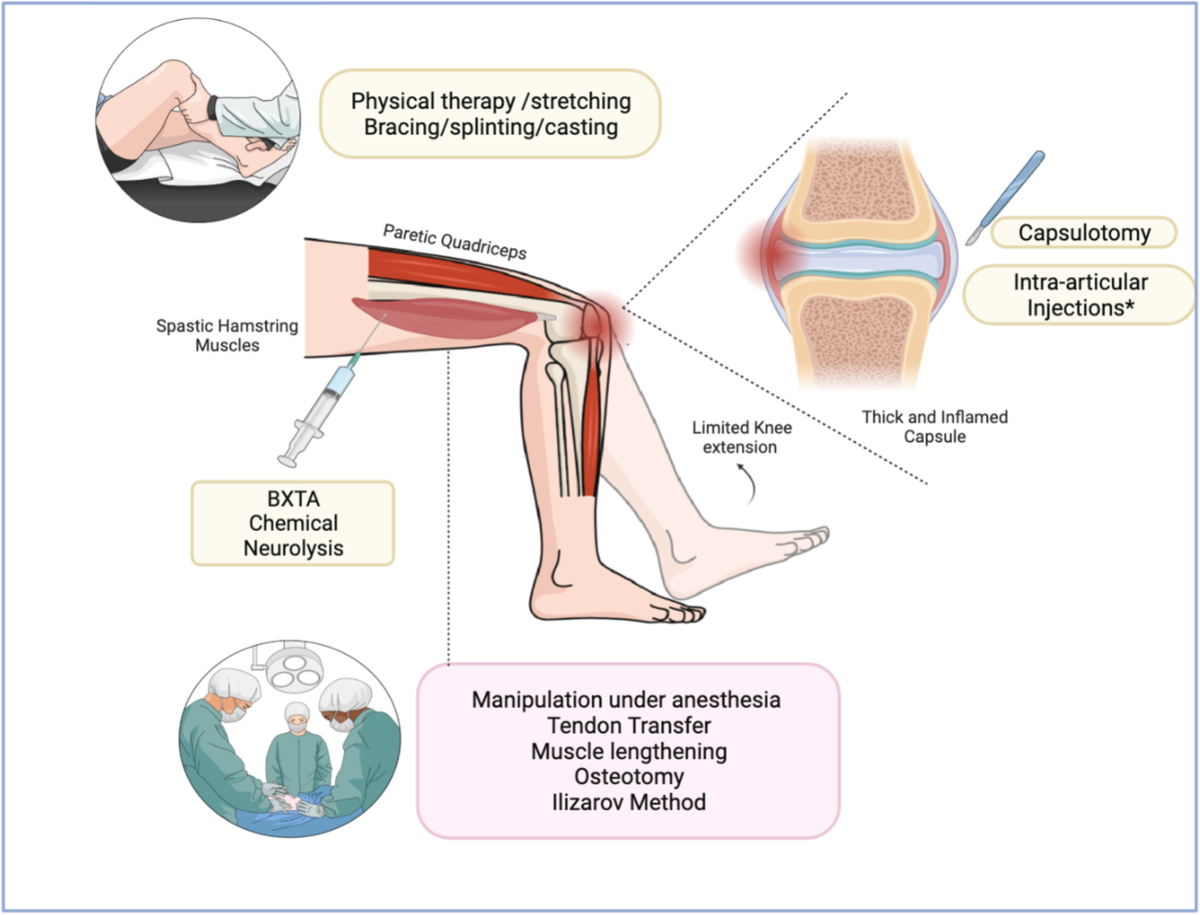
If your surgeon diagnoses arthrofibrosis, additional treatments or possibly further surgery may be necessary:
Manipulation
In certain situations, the surgeon may manually manipulate the knee while you are sedated or under anesthesia to break up scar tissue.
Arthroscopic surgery
An increasing number of surgeons use minimally invasive arthroscopy to remove scar tissue. This procedure, known as arthrolysis, targets fibrous adhesions with smaller incisions.
Open surgery
In severe or refractory cases, more extensive open surgery might be required. Following any procedure, physical therapy is essential.
After the initial intervention for arthrofibrosis, a variety of rehabilitation strategies are available to preserve motion and help prevent recurrence. These may include:
- use of a continuous passive motion (CPM) device
- exercise such as treadmill walking, stationary cycling, and aquatic therapy
- bracing
What is the long-term outlook?
Although rare, arthrofibrosis is important to recognize early. People who develop it often face challenges regaining full function and returning to higher activity levels. Keep track of your knee’s range of motion during recovery and consult your doctor if you observe stiffness or any deterioration in the performance of your artificial joint.
Preventing arthrofibrosis
Your surgeon may recommend a CPM device while you are in bed after surgery. Your surgeon or physical therapist may also give you specific exercises to lower the risk of developing arthrofibrosis. The following measures may help reduce the likelihood of arthrofibrosis:
- use of a compression dressing
- cryotherapy (application of cold)
- placement of a suction drain




















Leave a Reply
You must be logged in to post a comment.