Lyly

Cancer Radiation Therapy: Benefits, Risks & Answers
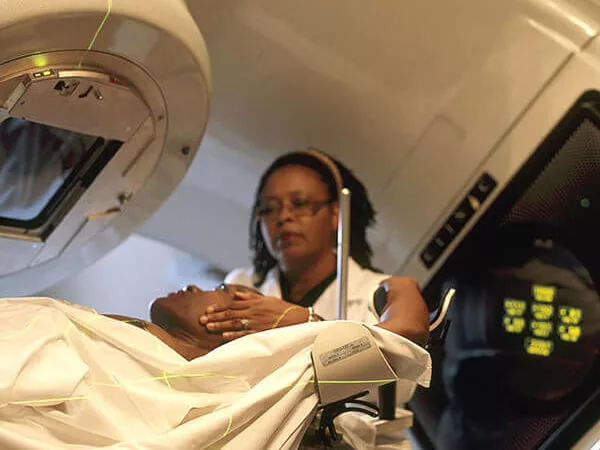
Hey there, friend. If you’ve landed on this page, you’re probably wondering what cancer radiation therapy really is, whether it’s right for you (or a loved one), and what to expect along the way. I’m here to break it down in plain, friendly language—no jargon, no fluff—so you can feel informed and empowered. Let’s jump right in. Quick Overview What is cancer radiation therapy? It’s a treatment that uses high‑energy…

Tumor-Targeted Treatment: What It Is & Why It Matters
Short answer #1 – What is a tumor‑targeted treatment? Most people don’t realize that a tumor‑targeted treatment is a medicine or radiation designed to hunt down the exact molecules that drive a cancer’s growth. It’s like handing a GPS‑guided missile to your doctor instead of a blunt‑force bomb. Short answer #2 – Why does it matter now? Because it lets doctors strike the cancer hard and spare healthy tissue, so…

Refractory Lymphoma Therapy: Hopeful Options Guide
Hey there, friend. If you’ve just heard the words “refractory lymphoma” and felt a wave of worry crash over you, you’re not alone. “Refractory” means the cancer isn’t responding to the first round of treatment or is bouncing back quickly. It feels like hitting a wall, but the good news is that there’s a whole toolbox of therapies waiting to be explored. In the next few minutes you’ll get a…

Monjuvi for Lymphoma: What You Really Need to Know
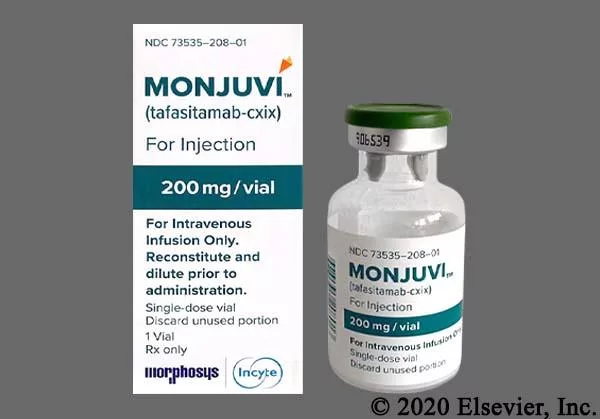
Quick Answer Overview In short, Monjuvi (tafasitamab‑cxix) is an FDA‑approved therapy that helps adults whose diffuse large B‑cell lymphoma (DLBCL) or follicular lymphoma has come back or didn’t respond to previous treatment. When paired with rituximab and lenalidomide, it can push progression‑free survival out to about 22 months—roughly cutting the risk of disease progression by more than half. The upside is compelling, but the drug also brings a handful of side‑effects that…

Essential Relapsed Lymphoma Drugs: Your Hopeful Guide
Hey there, friend. If you’ve just heard the words “relapsed lymphoma” and felt a wave of uncertainty, you’re not alone. The good news? Modern medicine offers a growing toolbox of relapsed lymphoma drugs that can turn that uncertainty into real, tangible hope. In the next few minutes we’ll walk through what relapse really means, spotlight the newest FDA‑approved options—including Monjuvi for lymphoma—and give you practical tips for navigating treatment with…
Progressive Apraxia of Speech: Essential Guide
Imagine trying to say a simple sentence, but your tongue and lips feel like they’ve misplaced their choreography. You know what you want to say, yet the sounds stumble out, slow and tangled. That’s exactly what people with progressive apraxia of speech (PAOS) experience – a neuro‑degenerative disruption of the brain’s speech‑planning system. In the next few minutes we’ll walk through what PAOS is, how it unfolds, why it matters,…

Molecular Imaging Inflammation: PET’s New Brain Clarity
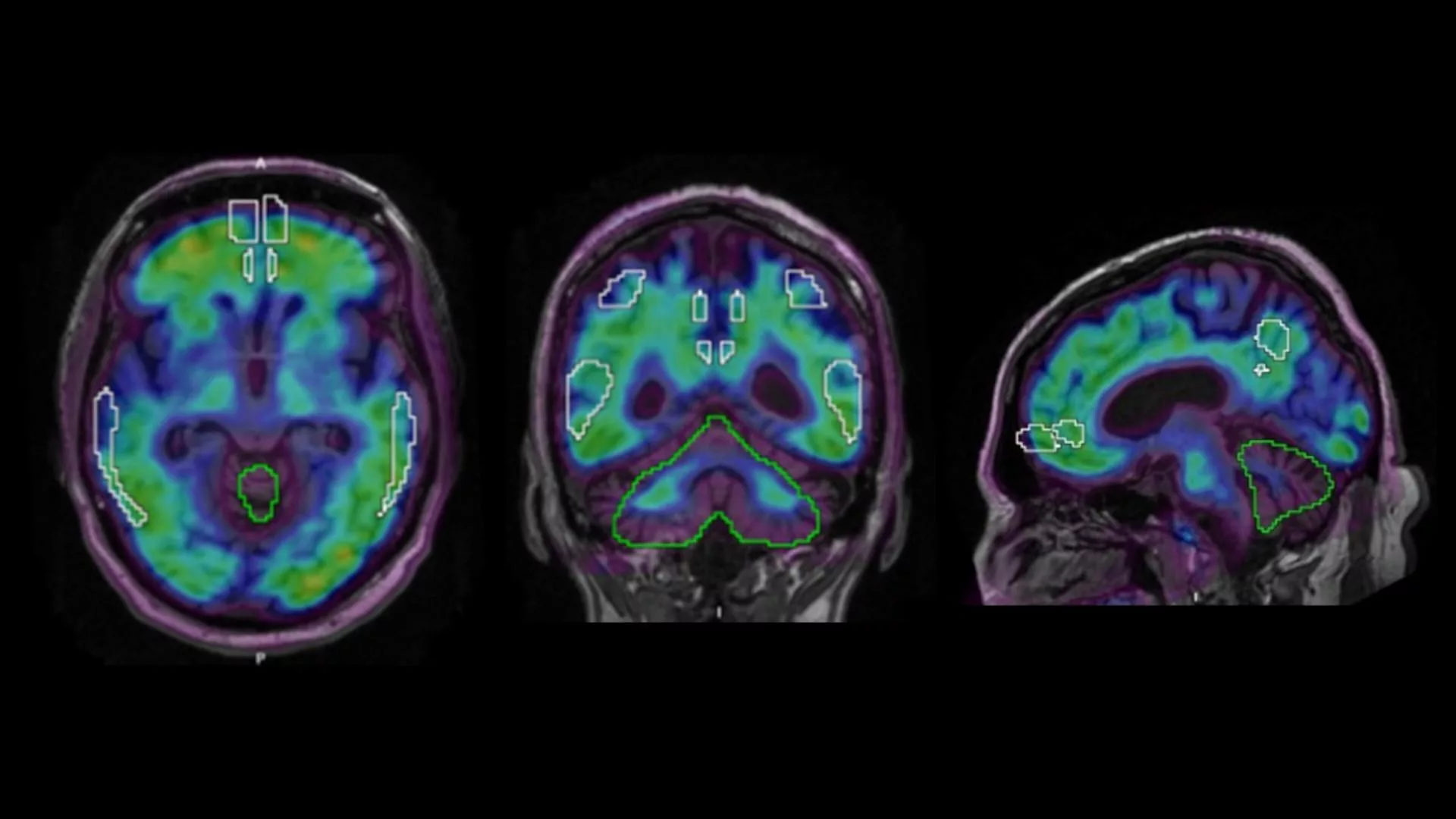
Imagine being able to see inflammation in the brain the way you spot a traffic jam on a live map – instantly, clearly, and without any guesswork. That’s what modern molecular imaging inflammation does with PET scans. In just a few minutes you get a functional snapshot of immune activity, helping doctors diagnose, track, and treat neuro‑inflammatory disorders far earlier than traditional MRI or CT ever could. So, if you’ve…

Radiotracer Brain Imaging: Quick Answers & Guide
Most people don’t realize that a tiny amount of radioactive material can actually light up the brain and show us what’s really happening inside. In just a couple of sentences you’ll learn what radiotracer brain imaging is, why it matters, and how it can help you or a loved one navigate a confusing medical journey. Grab a coffee, settle in, and let’s explore this fascinating technology together. How Tracers Reach…

PET Imaging Brain Inflammation: Why It Matters to You
Ever wondered how doctors can actually “see” inflammation buzzing inside your brain? The answer is PET imaging – a molecular‑level scan that lights up the hotspots where glial cells are on high alert. In plain English, it’s a non‑invasive window that shows you what’s happening at the cellular level, helping clinicians diagnose, track, or even guide treatment for a host of neurological conditions. In the next few minutes I’ll walk…

Precision Cancer Treatment: What Patients Must Know
Imagine being able to give your cancer a “personalized” prescription that zeroes in on the exact quirks of your tumor while sparing the healthy bits of you. That’s what precision cancer treatment promises—a tailor‑made approach that matches the right drug, the right dose, and the right technology to your unique disease. In the next few minutes I’ll walk you through how it works, who it helps the most, and why…