
A quick look at the best antioxidant drinks
- Bestgreen tea:Pure Leaf Unsweetened Green Tea
- Best matcha:Moontower Matcha Green Tea
- Best herbal tea:Waku Lemon Prebiotic Herbal Tea
- Best cold brew coffee:High Brew Cold Brew Coffee — Black & Bold
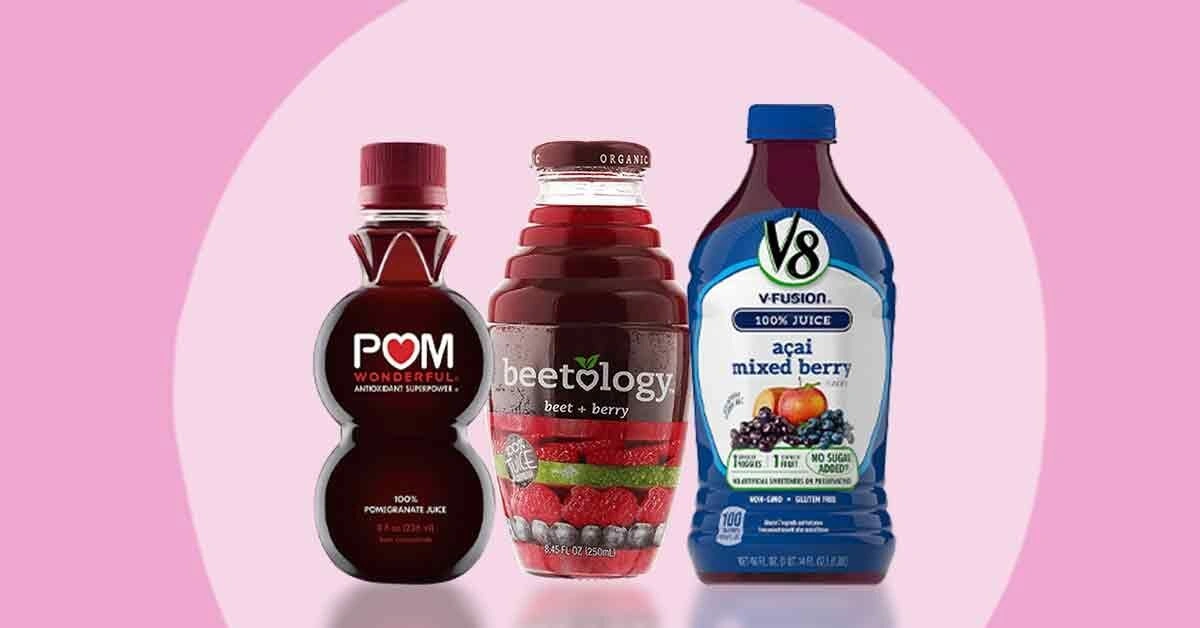
- Best beet juice:Beetology Organic Beet + Berry Juice
- Best pomegranate juice:POM Wonderful 100% Pomegranate Juice
- Best acai juice:V8 Acai Mixed Berry
- Best flavored water:Positive Beverage Prickly Pear Lemonade
- Best coconut water:ZICO Natural 100% Coconut Water
- Best green juice:ALLWELLO Organic Cold Pressed Juice
If you’ve visited a supermarket or convenience store recently, you’ve likely noticed shelves stocked with cold brew coffee, kombucha, iced teas, bottled juices, and flavored waters.
Some items even boast claims like “immune support” or “contains antioxidant vitamin C” — but what do those labels truly indicate?
What is an antioxidant drink?
Antioxidant drinks are beverages that include one or more ingredients naturally rich in antioxidants, such as fruits, vegetables, coffee, or tea.
Antioxidants are molecules that play a pivotal part in health and illness prevention.
They work by neutralizing harmful molecules called free radicals, which can reduce oxidative harm to cells and may help lower inflammation and protect against chronic conditions (1).
Altering your diet is one of the most practical ways to raise your antioxidant intake.
Although many people know antioxidant-rich foods like fruits and vegetables, finding wholesome antioxidant beverages can be trickier.
How we chose these drinks
This guide highlights some of the top antioxidant drinks using the following standards:
- Antioxidant content: Each chosen drink includes ingredients known for antioxidant activity, like fruits, vegetables, tea, or coffee.
- Ingredients: We favored drinks made with quality components and without artificial additives or preservatives.
- Added sugar content: The selections are naturally sweetened or contain no added sugar.
- Nutritional value: Each pick supplies a meaningful amount of nutrients per serving, including vitamins, minerals, and antioxidant compounds.
- Vetting: These drinks were screened to align with HealthEH’s standards for credibility and wellness. You can read more about our vetting process.
Below are 10 top antioxidant beverages and a few ways they may benefit your well-being.
A note on price
The roundup covers a range of products, so direct price-to-price comparisons can be difficult.
Prices for items featured here range roughly from $0.08 to $0.62 per fluid ounce (30 mL). Actual costs depend on package size, retailer, and whether you buy multipacks.
Pricing guide
- $ = under $0.25 per fluid ounce (30 mL)
- $$ = over $0.25 per fluid ounce (30 mL)
HealthEH’s picks for the best antioxidant drinks
Best bottled green tea
Pure Leaf Unsweetened Green Tea

Price: $
Green tea, brewed from the leaves of Camellia sinensis, ranks among the most consumed antioxidant beverages.
It’s especially high in a polyphenol known as epigallocatechin gallate (EGCG), a compound widely examined for its antioxidant properties (2).
Green tea also supplies other antioxidant molecules, including flavonols like myricetin, quercetin, and chlorogenic acid (3).
Pure Leaf Unsweetened Green Tea is produced without added colors, artificial sweeteners, or questionable extras. It’s brewed from fresh tea leaves rather than powders or concentrates, which can enhance flavor and quality.
Pros
- unsweetened and lacks added colors and artificial additives
- brewed from fresh tea leaves
- budget-friendly
Cons
- some users report occasional quality issues
Best bottled matcha
Moontower Matcha Green Tea

Price: $$
Matcha is a powdered form of green tea leaves whisked into water, using the whole leaf and therefore offering a greater antioxidant concentration than brewed green tea (4).
In lab and animal work, matcha extracts have been linked to liver protection and reduced cancer cell proliferation (5, 6, 7). A small human trial of 23 participants also suggested that matcha consumption improved memory, attention, and reaction time versus a placebo (8).
Moontower Matcha uses ceremonial-grade matcha, which tends to be milder and less bitter than culinary grades. The product contains zero grams of sugar and no artificial additives or flavors, delivering high-quality matcha.
Pros
- no added sugar
- made with ceremonial-grade matcha
- free from artificial ingredients
Cons
- costly
Best herbal tea
Waku Lemon Prebiotic Herbal Tea

Price: $$
This herbal blend combines ingredients like lemon verbena, lemon balm, mint, and chamomile, many of which are rich in antioxidant compounds.
Lemon balm contains beneficial molecules such as rosmarinic acid, gallic acid, and various flavonoids (9).
Chamomile also offers antioxidants including caffeic acid, apigenin, chlorogenic acid, and luteolin (10, 11).
Adding this nourishing beverage to your routine can be an easy way to up your intake of these helpful antioxidants.
Waku Lemon Prebiotic Herbal Tea is caffeine-free and contains no added sugar, while also delivering 6 grams of fiber per serving. It’s sweetened with monk fruit, a natural sweetener that itself contains flavonoids with antioxidant activity (12).
Pros
- no added sugar
- blend of antioxidant-rich botanicals
- 6 grams of fiber per serving
Cons
- pricey
Best bottled coffee
High Brew Cold Brew Coffee — Black & Bold

Price: $$
Coffee is a potent source of antioxidants.
Not only is it among the most consumed drinks worldwide, but research indicates it may represent a major source of antioxidants in many people’s diets (13, 14, 15).
Coffee contains antioxidants such as caffeic acid, chlorogenic acid, catechin, quercetin, and rutin (16).
A comprehensive review of 218 studies found that consuming 3–4 cups (720–960 mL) of coffee daily may be linked to a lower risk of heart disease, liver problems, and some cancers (17).
This cold brew option has no sugar or dairy in its Black & Bold variety and can be a convenient way to increase both antioxidants and caffeine intake.
The brand also offers flavored variants like Double Espresso, Salted Caramel, Dark Chocolate Mocha, and Creamy Cappuccino — note that some flavored types may include dairy or extra ingredients.
Pros
- several flavor choices
- Black & Bold is dairy-free
- contains no added sugar
Cons
- some users find it bitter
Best beet juice
Beetology Organic Beet + Berry Juice

Price: $$
Beets are rich in antioxidant compounds called betalains, the pigments responsible for their deep color (18, 19).
Thanks to their antioxidant profile, beets have been associated with various health benefits, including reduced inflammation and improved cardiovascular health (20, 21, 22).
This Beetology beverage combines beet juice with strawberry, apple, raspberry, and bilberry juices, delivering a high-antioxidant profile.
It’s organic and free of preservatives, additives, and artificial colors or flavors, making it a flavorful way to enjoy beet-derived benefits.
Pros
- no added sugar
- made without preservatives or artificial components
- contains beets plus antioxidant-rich berries
Cons
- pricey
- contains natural fruit sugars
Best pomegranate juice
POM Wonderful 100% Pomegranate Juice

Price: $$
Pomegranates are extremely antioxidant-dense; some research suggests their juice may have higher antioxidant activity than red wine or green tea (23).
Studies indicate pomegranate juice can reduce inflammation, lower blood pressure, and help prevent arterial plaque buildup (24, 25).
This product offers 100% pomegranate juice from concentrate without added sugars or GMOs.
It’s also a solid source of potassium, a mineral that supports muscle function, fluid balance, and blood pressure regulation (26).
Because it contains concentrated natural sugars and lacks the fiber found in whole fruit, moderate consumption is wise and it pairs best with a balanced diet.
Pros
- no added sugar
- non-GMO
- high in potassium
Cons
- high in natural sugars
- requires refrigeration and has a shorter shelf life
Best acai juice
V8 Acai Mixed Berry

Price: $$
Acai berries, native to Central and South America, are loaded with antioxidants like orientin, isoorientin, and vanillic acid (27).
A small study of seven athletes found that daily consumption of an acai-containing juice blend increased blood antioxidant levels and reduced cholesterol and exercise-related muscle damage after six weeks (28).
While more human research is needed, lab and animal studies suggest acai may decrease oxidative stress and support brain health (29, 30, 31).
This V8 product combines acai with vegetable juices and fruit juices like apple and blueberry to boost antioxidant intake.
Although free of added sugar and artificial sweeteners, it still contains natural fruit sugars, so enjoy in moderation within a balanced diet.
Pros
- no added sugar
- no artificial ingredients
- mix of fruit and vegetable juices
Cons
- not sold in single-serve bottles
- high in natural sugars
Best flavored water
Positive Beverage Prickly Pear Lemonade

Price: $
Made without artificial colors, sweeteners, or preservatives, this flavored water can help you get more micronutrients like vitamins C, B12, and D. Vitamin C is especially known for its antioxidant capabilities (32).
Vitamin C not only neutralizes free radicals but also helps regulate inflammation and oxidative stress (33).
Besides Prickly Pear Lemonade, other flavors in the range—Mandarin Orange, Tropical Berry, Crisp Cucumber, and Perfect Peach—provide similar antioxidant benefits.
Pros
- economical
- multiple flavors available
- no added sugar
Cons
- contains stevia and erythritol, which some may avoid
Best coconut water
ZICO Natural 100% Coconut Water

Price: $
Coconut water supplies micronutrients such as potassium, vitamin C, and manganese, plus a notable amount of antioxidants per serving (34, 35).
Although human research is limited, animal studies suggest coconut water might protect liver health and reduce oxidative stress and blood glucose levels (36, 37, 38).
ZICO contains only coconut water with no added sugar and is a good source of potassium and other electrolytes like calcium and magnesium, making it useful after exercise.
Pros
- inexpensive
- no added sugar
- contains electrolytes
Cons
- some find the taste unpleasant
Best green juice
ALLWELLO Organic Cold Pressed Juice

Price: $$
This green juice blends vegetables such as cucumber, parsley, and dill, each offering distinct antioxidants, vitamins, and potential health perks.
Cucumbers provide high water content and are often linked to digestive support, hydration, and protection against diabetes complications (39, 40).
Kale supplies vitamin K and antioxidants like kaempferol and quercetin (41, 42).
Dill has been investigated for medicinal uses and may help in managing diabetes and cardiovascular disease (43, 44).
While more human trials are needed, incorporating a green juice into your routine is an easy way to consume more antioxidants. ALLWELLO’s juice is organic, gluten-free, vegan, and free of added sugars.
Pros
- no added sugar
- certified organic
- contains a variety of antioxidant-rich greens
Cons
- costly
How do these drinks compare?
How to choose
When choosing a wholesome antioxidant beverage, consider several key points.
First, scrutinize the ingredient list and avoid products that include added sugars, artificial flavors, or preservatives.
Words like cane juice, high fructose corn syrup, glucose, or fruit nectar usually indicate added sugars.
The nutrition facts label lists added sugar amounts. Ingredients are ordered by amount, so antioxidant-rich components like fruits, vegetables, coffee, or tea should ideally appear near the top of the list to ensure meaningful content.
For caffeinated drinks, you may also want to check caffeine content.
Although caffeine presence must be stated on U.S. labels, manufacturers aren’t always required to list exact amounts (45).
If you need to limit caffeine, seek this information from the brand or retailer.
Do antioxidant drinks have any side effects?
Most antioxidant beverages are safe when consumed moderately, but some side effects can occur.
For example, some drinks contain caffeine (tea or coffee), and consuming too much caffeine may cause anxiety, restlessness, or nausea for some people. Certain groups, such as pregnant or breastfeeding individuals, may need to restrict caffeine (45).
Fruit-based drinks can be high in natural sugars and lower in fiber than whole fruit. Drinking large quantities could raise blood glucose in people with diabetes and potentially contribute to weight gain over time (46, 47).
Always read labels carefully if you have allergies, sensitivities, or intolerances.
Finally, some evidence suggests very high antioxidant intake — especially from supplements — might be harmful and linked to increased risk of certain cancers; such risks are generally associated with high-dose supplements rather than antioxidants naturally present in foods and drinks (48).
Frequently asked questions about antioxidant drinks
What juices are good antioxidants?
Juices made from fruits or vegetables typically offer antioxidants. Good examples include green juices made from spinach, kale, or cucumber, as well as juices featuring mixed berries, beets, or pomegranates.
What are the benefits of antioxidant drinks?
Consuming beverages rich in antioxidants — derived from fruits, vegetables, coffee, or tea — is an effective way to increase your antioxidant intake.
Antioxidants help regulate inflammation and shield cells from oxidative damage. Regularly consuming a variety of antioxidants may help protect against chronic conditions such as certain cancers, type 2 diabetes, and heart disease (1).
Who are antioxidant drinks for?
Antioxidant drinks are suitable for anyone wanting to boost antioxidant intake.
However, some varieties — especially highly caffeinated ones — may not be advised for children or those who are pregnant or nursing (45). Fruit-based options can be high in natural sugars and are best consumed in moderation within a balanced diet.
The bottom line
There are many approaches to increasing antioxidant intake, and adding antioxidant-rich beverages to your routine is one option. From coffees and teas to juices and flavored waters, plenty of choices exist.
Remember that drinking antioxidant beverages is only part of a comprehensive approach — pair them with a nutritious, balanced diet and healthy lifestyle for the best outcomes. For related options focused on herbal blends, you might also consider essiac tea.




















Leave a Reply
You must be logged in to post a comment.