


Overview
Anxiety disorders can be treated, though finding the right approach may be challenging. Prescription drugs sometimes produce physical or psychological dependence, and other medications can trigger unwanted side effects like weight gain or sexual side effects. Alcohol and recreational substances often make anxiety worse. As a result, many people explore homeopathic options to ease their anxious symptoms.
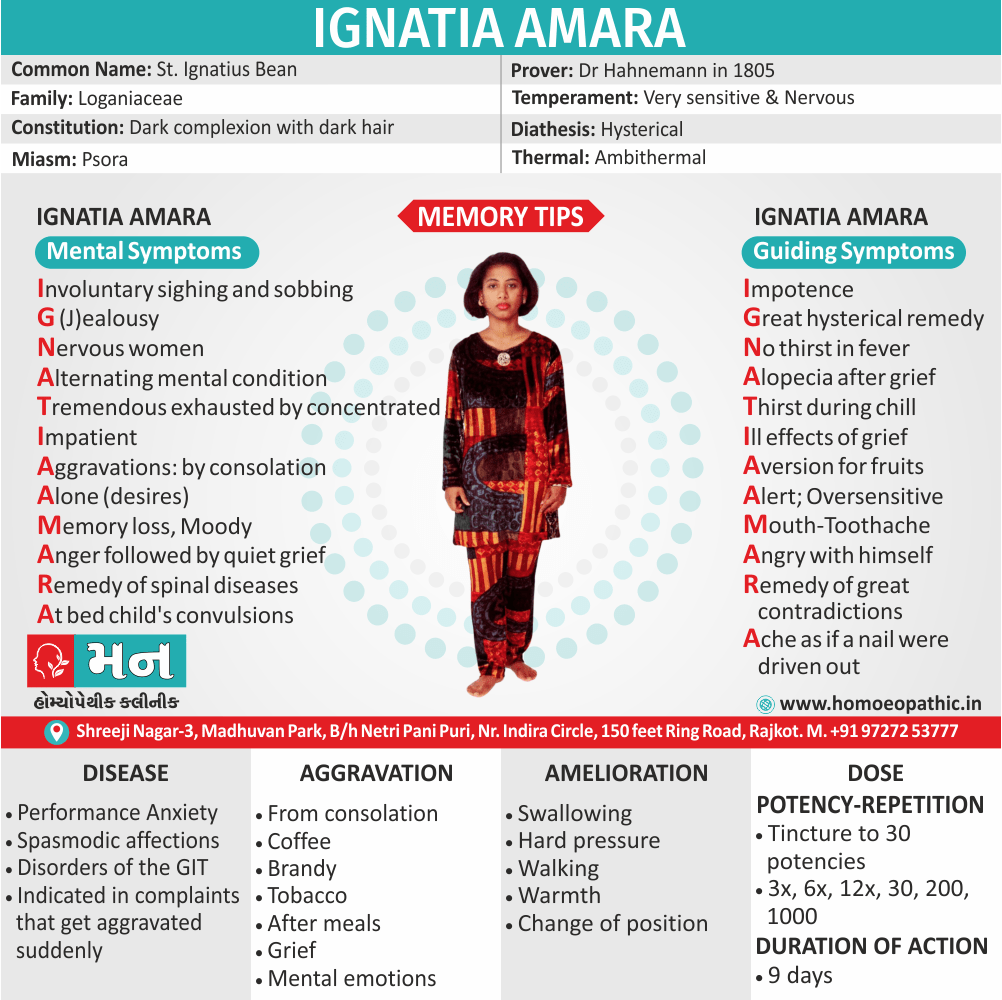
Ignatia, also called ignatia amara, is a homeopathic preparation that some individuals use for anxiety relief. It is derived from the seeds of the St. Ignatius bean tree, a species native to the Philippines and other areas of Southeast Asia.
Homeopaths traditionally recommend ignatia for grief and depressive states, as well as for situational anxiety. It is not commonly used for broad anxiety conditions such as panic disorder or post-traumatic stress disorder.
Does homeopathy work?
A homeopathic practitioner evaluates many aspects of a person’s symptoms and medical background to form a comprehensive view of their health. Based on this assessment, they propose a remedy, which may include a blend of herbs and other modalities.
Ignatia is typically sold as small pellets taken by mouth. Homeopathic products are highly diluted and include only minimal traces of the original substance. That dilution is particularly relevant for ignatia because the plant source contains minute amounts of strychnine, a compound that can be poisonous at high doses.
There is limited scientific evidence either supporting or disproving ignatia’s effectiveness for anxiety. A 2012 animal study suggested it might influence emotional reactions.
Ignatia may have uses beyond anxiety. One trial indicated homeopathic ignatia could help manage oral lichen planus (OLP), an inflammatory condition affecting the mouth’s mucous membranes; participants reported fewer lesions and less pain after treatment.
When combined with other homeopathic remedies for pediatric migraine, ignatia produced encouraging outcomes. Some proponents also suggest ignatia may be useful for:
- fever
- insomnia
- headaches
- dysphagia
- menstrual-related complaints
However, there is not a substantial body of research to firmly corroborate these assertions.
Precautions to take
Exercise caution before using ignatia. Dietary supplements are not regulated by the U.S. Food and Drug Administration with the same rigor as prescription medications, so product safety and quality can vary. Seek urgent medical attention if you take ignatia and experience:
- muscle twitching or spasms
- severe restlessness or agitation
- trouble breathing
Always talk with your healthcare provider before beginning any supplement or new medication. Taking such precautions can help prevent exacerbation of anxiety or other adverse effects.






















Leave a Reply
You must be logged in to post a comment.