
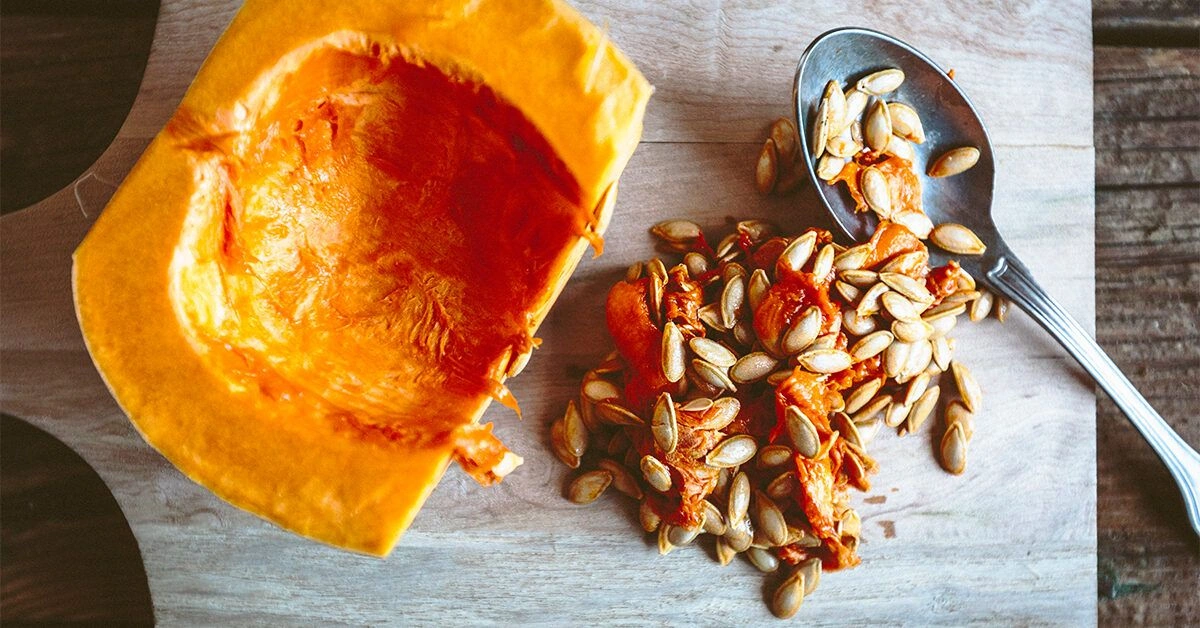
Uncooked pumpkin and its seeds might retain a bit more vitamins and minerals, yet they can also contain higher levels of antinutrients and fewer antioxidants compared with their cooked versions.
Commonly found in tasty dishes such as pies, curries, cookies, and trail mixes, pumpkin and pumpkin seeds are pantry staples for many families, particularly around the holidays.
Although most people eat them baked, boiled, or roasted, pumpkin and pumpkin seeds are also edible in their raw state.
However, meaningful distinctions separate raw from cooked forms, notably in flavor, mouthfeel, and nutrient composition.
This piece outlines how raw and cooked pumpkin and pumpkin seeds compare.

Nutritional value
There are modest nutrient differences between raw pumpkin and seeds and their cooked equivalents.
Cooking commonly reduces the levels of water-soluble vitamins, such as B vitamins (riboflavin, thiamine, niacin) and vitamin C (1).
Boiling or roasting pumpkin may also slightly lower amounts of vitamin A, copper, and potassium (2, 3).
The table below contrasts 3.5 ounces (100 grams) of raw and boiled pumpkin (2, 3):
| Raw pumpkin | Boiled pumpkin | |
| Calories | 26 | 20 |
| Protein | 1 gram | 1 gram |
| Fat | 0.1 grams | 0.1 grams |
| Carbs | 6.5 grams | 5 grams |
| Fiber | 0.5 grams | 1 gram |
| Vitamin A | 47% of the Daily Value (DV) | 32% of the DV |
| Vitamin C | 10% of the DV | 5% of the DV |
| Vitamin E | 7% of the DV | 5% of the DV |
| Riboflavin | 9% of the DV | 6% of the DV |
| Copper | 14% of the DV | 10% of the DV |
| Potassium | 7% of the DV | 5% of the DV |
| Pantothenic acid | 6% of the DV | 4% of the DV |
| Manganese | 5% of the DV | 4% of the DV |
What about pumpkin seeds?
While heating can reduce some micronutrients, a study showed that roasting pumpkin seeds raised their antioxidant, phenolic, and flavonoid levels (4).
Soaking and cooking seeds can also lower antinutrient content—substances that hinder the absorption of certain minerals (5).
However, roasting may promote formation of polycyclic aromatic hydrocarbons (PAHs), harmful compounds linked to carcinogenicity (6, 7, 8).
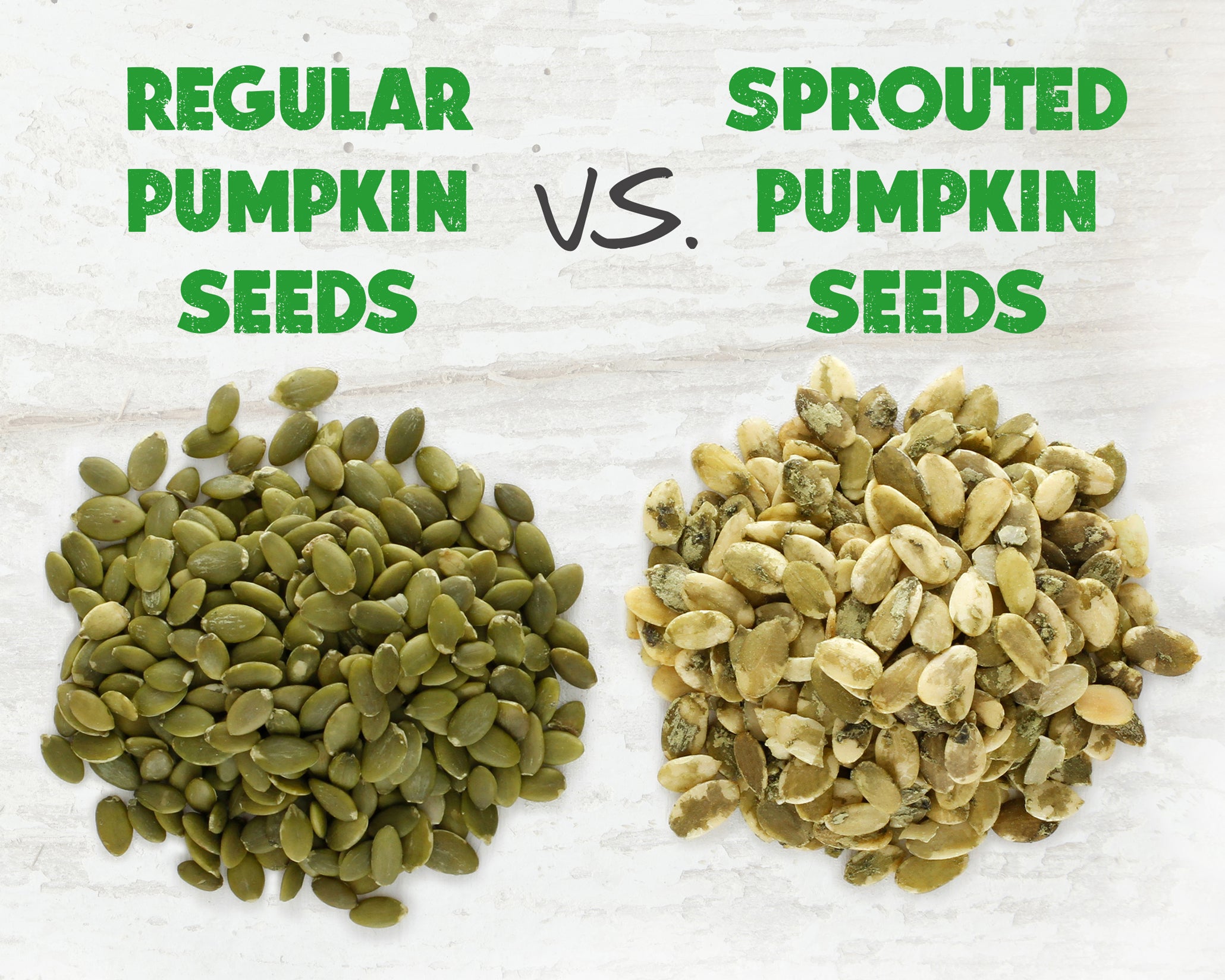
Summary: Raw pumpkin tends to be marginally richer in water-soluble vitamins and some nutrients than cooked pumpkin. Yet raw pumpkin seeds may have fewer antioxidants and more antinutrients than roasted seeds.
Flavor and texture
Pumpkin and pumpkin seeds also present different tastes and textures when eaten raw versus cooked.
Raw pumpkin offers a crisp, mildly bitter taste and a fibrous, stringy mouthfeel. Because it’s often tough to eat alone, people typically purée or grate it.
Cooked pumpkin becomes sweeter, often likened to sweet potatoes or other winter squashes.
Raw pumpkin seeds are subtly flavored and a bit chewy. For that reason, many prefer them toasted, which imparts a savory, nutty flavor and a crunchier bite.
Summary: Uncooked pumpkin is more fibrous and less sweet than cooked pumpkin, while raw seeds are chewier and blander than their roasted versions.
Is eating raw pumpkin safe?
Consuming raw items can raise the chance of foodborne illness. This concern applies particularly to raw pumpkin seeds, which can carry bacteria such as Salmonella and E. coli.
If ingested, these pathogens can trigger symptoms like diarrhea, vomiting, fever, and abdominal cramps (9).
Moreover, sprouting or drying seeds does not fully eradicate these microbes (10, 11).
That said, documented outbreaks traced to pumpkin seeds are uncommon. Agencies such as the U.S. Food and Drug Administration (FDA) collaborate with producers to reduce contamination risks (12).
If you worry about infection, thoroughly cook pumpkin and seeds. Also follow safe food-handling practices, store seeds in an airtight container, and consume them within 2–3 months (13, 14).
Summary: Raw pumpkin and seeds can harbor bacteria that cause foodborne illness. Proper food safety habits reduce your risk.
How to eat raw pumpkin and pumpkin seeds
There are many ways to enjoy pumpkin and pumpkin seeds, whether you prefer them raw or cooked.
Raw pumpkin can be puréed into cottage cheese or grated to add a nutrient-rich topping to salads and baked treats.
Cooked pumpkin is excellent in soups, stir-fries, curries, and desserts.
Pumpkin seeds can be eaten seasoned and raw or roasted for a straightforward snack. They also add crunch to soups, salads, sandwiches, and homemade trail mixes.
Summary: Pumpkin and pumpkin seeds are versatile in soups, salads, and many other recipes, whether raw or cooked.
The bottom line
Raw foods can carry dangerous bacteria, although outbreaks linked to raw pumpkin and pumpkin seeds are infrequent.
While raw pumpkin and its seeds might contain a touch more vitamins and minerals, their flavor and texture are often considered less appealing. They may also have higher antinutrient levels and fewer antioxidants than cooked versions.
Whether you choose to eat them raw or cooked, follow good food-safety practices and include them as part of a balanced diet.
Just one thing
Try this today: One simple favorite is pumpkin-seed pesto. Blend raw or roasted pumpkin seeds with olive oil, garlic, basil, sea salt, and a squeeze of lemon for a flavorful sauce.















Leave a Reply
You must be logged in to post a comment.