

There are many effective strategies to manage anxiety without relying on prescriptions. Regular exercise, strengthening your sleep hygiene, or opening up to a trusted friend are just a few approaches that may help calm anxious thoughts and physical tension.

Between career demands, financial responsibilities, family obligations, and the effort to maintain your health, everyday stressors can leave you feeling overwhelmed and constantly on edge. Perhaps you were an anxious child who carried those patterns into adulthood, or maybe your anxiety developed later due to life events or chronic stress. No matter when it began, your thoughts may feel stuck in overdrive, as if you’re always bracing for something to go wrong.
If you’ve been wondering, Can you recover from mental illness without medication, you’re far from alone. According to the Anxiety and Depression Association of America, anxiety disorders are the most common mental illness in the United States, affecting 40 million adults. Many people seek relief through medication. While antianxiety drugs can reduce symptoms, they may also bring side effects such as trouble sleeping, decreased libido, jumpiness, or increased hunger.
The encouraging news is that medication isn’t the only path toward healing. For many individuals, anxiety symptoms can be reduced through consistent lifestyle adjustments, therapy, stress management techniques, and social support. If you’re exploring whether you can recover from mental illness without medication, especially in mild to moderate cases, the following practical strategies may help you regain a sense of control.
1. Shout it out
Confiding in a trusted friend is a healthy coping strategy for anxiety. But sometimes you need a more physical emotional release. As children, many of us were taught to keep our voices down and “use your inside voice.” As adults, however, you can create safe outlets for pent-up emotions.
This doesn’t mean alarming others or creating chaos. Instead, find a controlled environment where you can release bottled-up tension. When anxiety is suppressed, it can intensify. Acknowledging it—and then letting it move through you—can be surprisingly therapeutic. Yell into a pillow, stomp your feet, or hit a cushion. Some movement-based practices, such as the Los Angeles-based yoga teacher’s Tantrum Yoga, even encourage expressive techniques to discharge emotions that may otherwise manifest as stress or physical symptoms.

2. Get moving
When your thoughts are racing, exercise may feel like the last thing you want to do. You might worry about soreness or fear that exertion will worsen physical sensations like a pounding heart. In reality, physical activity is one of the most effective natural interventions for anxiety.
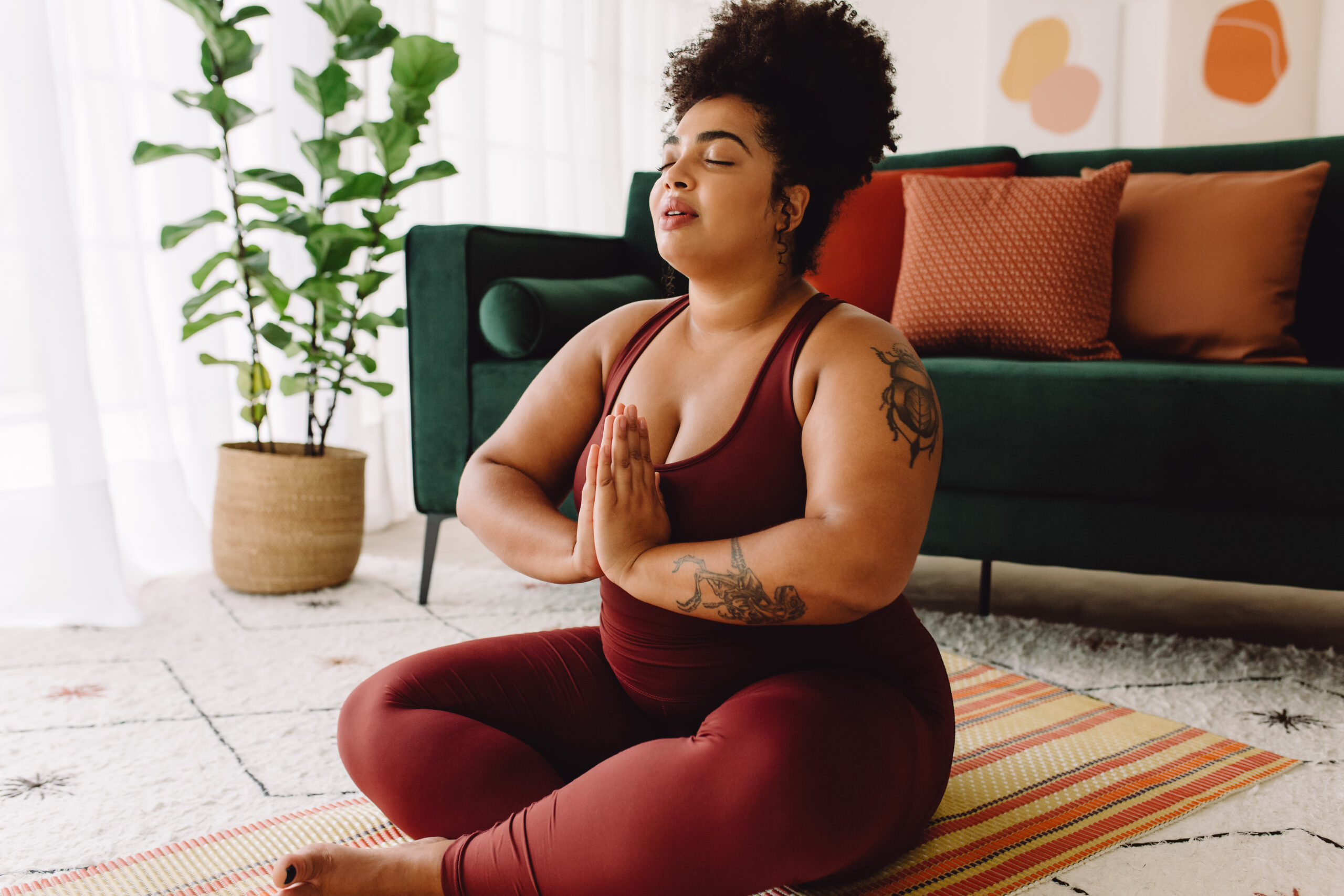
Exercise increases endorphins and serotonin, neurotransmitters that support emotional well-being. It also redirects your attention; your brain can’t fully focus on anxious rumination and coordinated movement at the same time. Aim for at least 30 minutes of moderate physical activity three to five days per week. This could include brisk walking, cycling, swimming, dancing in your living room, or practicing yoga.
Consistent movement not only reduces stress hormones but also improves cardiovascular health, sleep quality, and self-confidence—factors that all influence long-term mental health recovery.
3. Break up with caffeine
Your morning coffee, chocolate treat, or cold soda might offer a temporary lift. However, if caffeine is a daily staple, it may intensify anxiety symptoms.
Caffeine stimulates the nervous system, increasing alertness and energy. For someone already under stress, this stimulation can mimic or trigger an anxiety attack by elevating heart rate and creating jitteriness. You don’t necessarily need to eliminate caffeine entirely, but moderation is key.
If you typically drink four cups of coffee daily, consider reducing to one or two 8-ounce servings. Gradually substitute with herbal teas, especially caffeine-free varieties known for their calming properties. Monitoring how your body responds can help you determine the right balance for your nervous system.
4. Give yourself a bedtime
With packed schedules, sleep is often sacrificed. Some people pride themselves on functioning with only three or four hours of rest. But humans are not designed to thrive on chronic sleep deprivation.
:max_bytes(150000):strip_icc()/Untitled_Artwork64-8c40e46af399409ca695347f4bae3eb1.jpg)
Whether you struggle with insomnia, stay up late by habit, or cut sleep short to meet deadlines, inadequate rest increases vulnerability to anxiety. Sleep plays a critical role in emotional regulation, memory processing, and stress resilience.
Aim for seven to nine hours of quality sleep each night. Establish a calming bedtime routine: read a book, limit screen time, dim the lights, or practice gentle breathing exercises. Improved sleep hygiene can significantly reduce irritability, racing thoughts, and next-day tension.
5. Feel OK saying no
Your time and energy are limited resources. When you consistently prioritize others’ needs over your own, anxiety can escalate.
Helping others is meaningful, but not at the expense of your well-being. Whether it’s running errands, providing childcare, or offering emotional support, recognize your limits. Learning to say “no” respectfully is a powerful boundary-setting skill that protects your mental health.
Reducing overcommitment lowers chronic stress and helps create space for self-care—an essential component if you’re considering whether you can recover from mental illness without medication.
6. Don’t skip meals
Anxiety can suppress appetite, but missing meals may actually worsen symptoms. When blood sugar drops, the body releases cortisol, a stress hormone. While cortisol can sharpen focus in short bursts, it may heighten anxious feelings if levels remain elevated.
Rather than reaching for sugary snacks, focus on balanced nutrition. Incorporate lean proteins, fruits, vegetables, whole grains, and healthy fats. Eating smaller, balanced meals throughout the day helps stabilize blood sugar and mood.
Excess sugar and refined carbohydrates can cause rapid spikes and crashes, sometimes leading to shakiness or nervousness that resembles anxiety symptoms. Nourishing your body consistently supports both physical and emotional stability.
7. Give yourself an exit strategy
Anxiety often stems from feeling trapped or powerless. While you can’t control every situation, you can prepare for them.
If social gatherings or unfamiliar environments trigger distress, create a plan in advance. Drive yourself instead of carpooling so you can leave when needed. Step outside for fresh air if conversations become overwhelming. Having an exit strategy restores a sense of autonomy.
Identifying triggers and developing coping plans are important steps often discussed in the 5 stages of mental health recovery. The more empowered you feel, the less intense your anxiety may become.
8. Live in the moment
Right now, are you focused on the present—or worrying about a future meeting, financial goals, or hypothetical scenarios? Many individuals with anxiety disorders struggle to remain grounded in the current moment.
You can’t predict the future or rewrite the past. However, you can shift your awareness to today. Mindfulness and meditation practices emphasize present-moment focus and have been proven to ease anxiety. Start with a few minutes daily, paying attention to your breath, bodily sensations, or sounds around you. Gradually extend the duration as it becomes more comfortable.
Practicing mindfulness regularly may reduce rumination, improve emotional regulation, and strengthen resilience—key factors for those asking, Can you recover from mental illness without medication?
Takeaway
Anxiety can feel overpowering, but recovery is possible. For some individuals—particularly those with mild to moderate symptoms—significant improvement can occur through therapy, lifestyle adjustments, social support, and stress-reduction techniques without medication. Others may benefit from combining these approaches with medical treatment.
If you’re exploring drug-free strategies, consider working with a licensed mental health professional who can guide you safely. You may also find it helpful to read Can a mentally ill person become normal? to better understand long-term outcomes and hope for recovery.
Ultimately, overcoming anxiety often involves reshaping daily habits, challenging unhelpful thought patterns, and building coping skills. Start with small, sustainable changes. Monitor your symptoms. If they worsen or interfere with daily functioning, consult a healthcare provider. With patience and consistent effort, anxiety does not have to define or control your life.



















Leave a Reply
You must be logged in to post a comment.