Diet & Nutrition
Diet & Nutrition focuses on healthy eating habits, meal planning, and the benefits of various nutrients, providing tips for maintaining a balanced diet and improving overall health.

Soba Noodles: Good or Bad?
Soba noodles are made wholly or partly from gluten-free buckwheat flour, a seed linked with benefits for heart health, blood sugar control, inflammation reduction and cancer prevention. Nutritionally, they resemble whole-wheat spaghetti and provide a solid plant-based protein option. The word soba in Japanese refers to buckwheat, a nutritious, grain-like seed that is gluten-free and — contrary to what the name suggests — not related to wheat. Soba noodles can…
How Much Kefir Is Too Much? Potential Side Effects
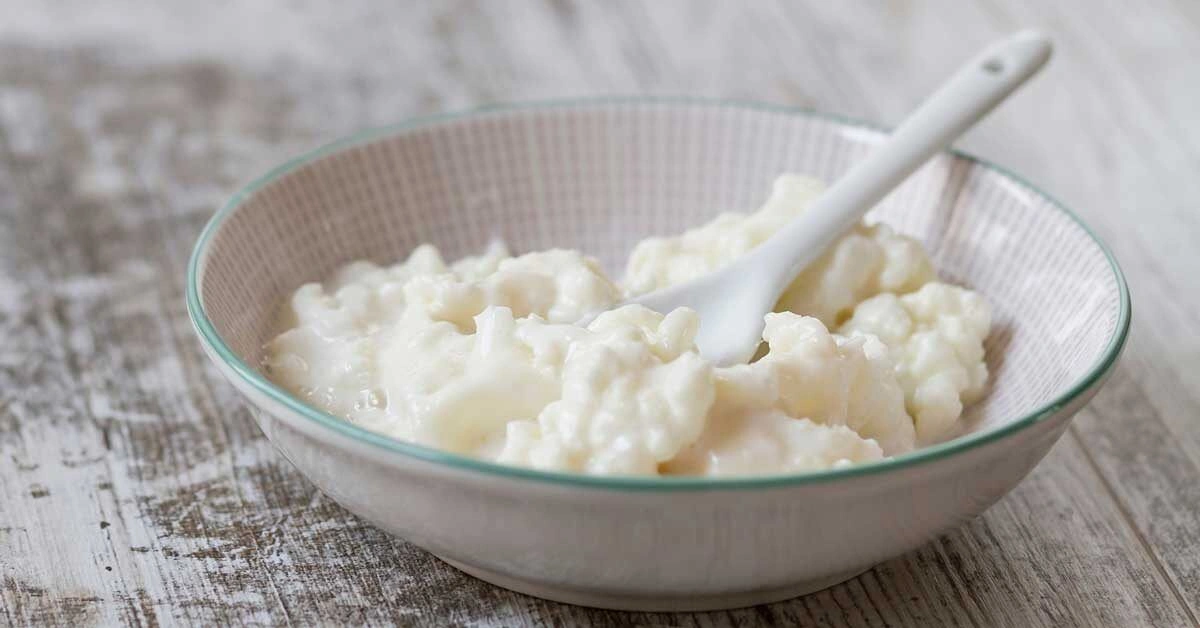
Creamy, tangy, and refreshing, kefir stands out as one of the rare superfoods that manages to be both flavorful and highly nutritious. It has been linked to a wide range of health benefits, largely due to its impressive nutrient profile and rich probiotic content. That said, consuming excessive amounts may trigger unwanted side effects. In some situations, individuals may need to scale back their intake or remove it from their…
9 Evidence-Based Health Benefits of Kefir
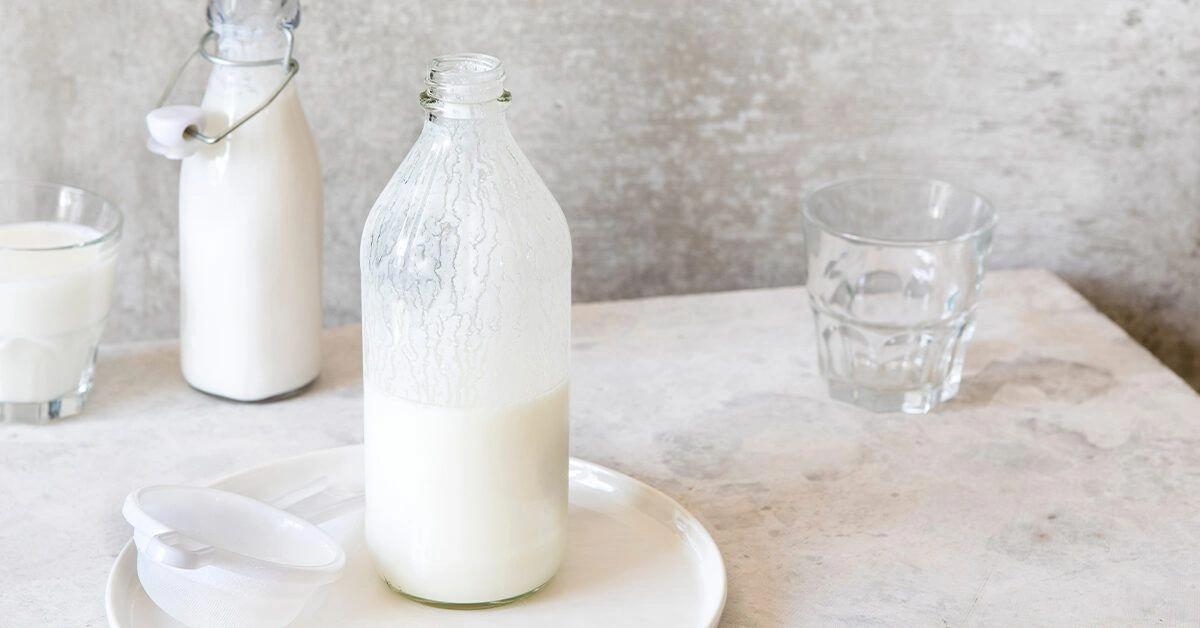
This well-known fermented milk beverage is frequently praised for its impressive health advantages. Kefir is nutrient-dense, rich in probiotics, and generally easy to digest. Below, you’ll find research-backed reasons why it deserves a place in a balanced diet. Kefir, a traditional staple in various cultures worldwide, has gained remarkable attention within the natural health community. For those exploring the Best time to drink kefir for weight loss, understanding its full…
Elderberry: Benefits and Dangers
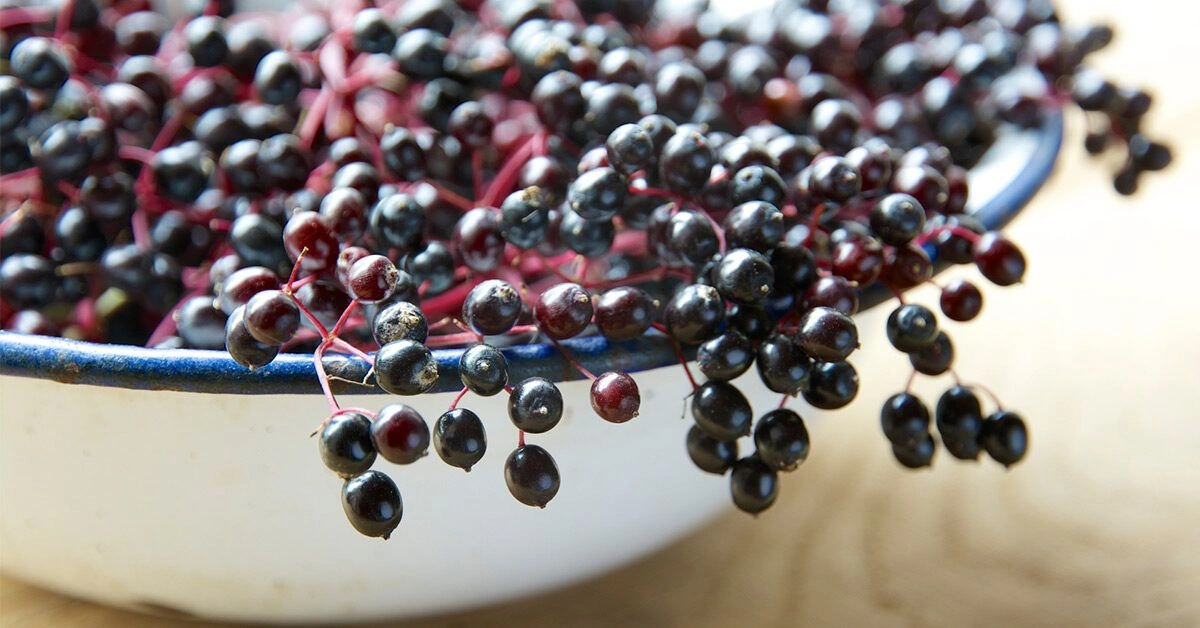
(Harald Walker/Stocksy) Elderberry ranks among the world’s most widely used medicinal plants. It’s commonly taken as a supplement to relieve cold and flu symptoms, though the raw berries, bark, and leaves are toxic if consumed. Historically, Indigenous peoples used elderberry for fever and rheumatism, while ancient Egyptians applied it to enhance complexion and treat burns. To this day, it’s gathered and employed in traditional remedies across many regions of Europe.…
How Long Does It Take to Recover from Weight Loss Surgery?
The length of time required to heal after weight loss surgery varies based on the specific procedure performed and the surgical method used. Every individual’s recovery is slightly different, and understanding the typical timeline can ease concerns — especially for those worried about issues such as No weight loss 4 weeks after gastric sleeve, which can sometimes be part of a normal adjustment phase. (img by Dr. Aloy Mukherjee) In…
‘Food Noise’ Ruled Her Life for Years. Here’s How She Learned to Silence It
(For years, Sophia Pena couldn’t stop thinking about food, making it impossible for her to maintain a healthy weight. Image Provided by Sophia Pena) Over half of Americans living with overweight or obesity report persistent preoccupation with food. The concept of “food noise” helps explain relentless, intrusive food-related thoughts. Clinicians say there are strategies to reduce food noise. Since adolescence, 32-year-old Sophia Pena has struggled with nonstop thoughts about eating.…
10 Science-Based Benefits of Grapefruit
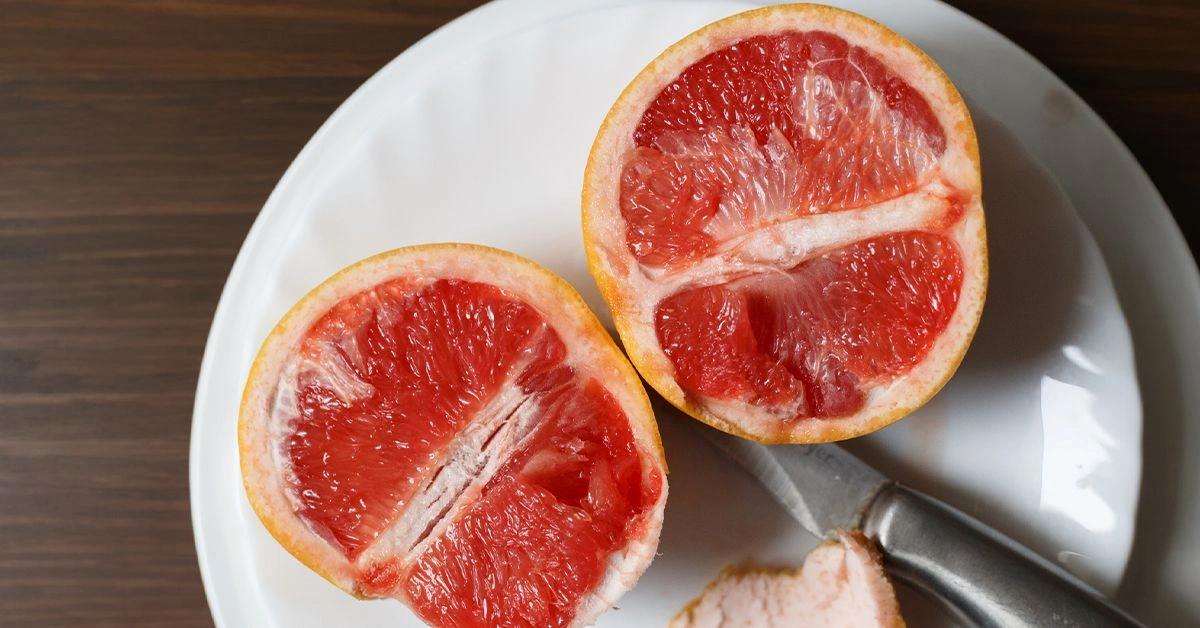
This low-calorie, nutrient-packed fruit offers a range of health advantages. It’s rich in vitamin C and antioxidants, can support heart and immune health, and more. Grapefruit is a subtropical citrus fruit known for its bittersweet and tangy flavor. It’s abundant in nutrients, antioxidants, and fiber, making it one of the most nutritious citrus options. Moreover, research indicates grapefruit may provide notable health effects, including support for weight management and a…
The Top 16 Health Benefits of Grapes
Grapes deliver numerous health advantages, largely thanks to their rich supply of nutrients and antioxidants. They can support the eyes, heart, bones, and more. Humans have grown grapes for millennia, with many ancient cultures valuing them especially for winemaking. Grapes also make a convenient, tasty snack whether you’re at home or out and about. (img by Martha Stewart) You’ll find grapes in a range of colors, including green, red, black,…
6 Unique Benefits of Black Grapes
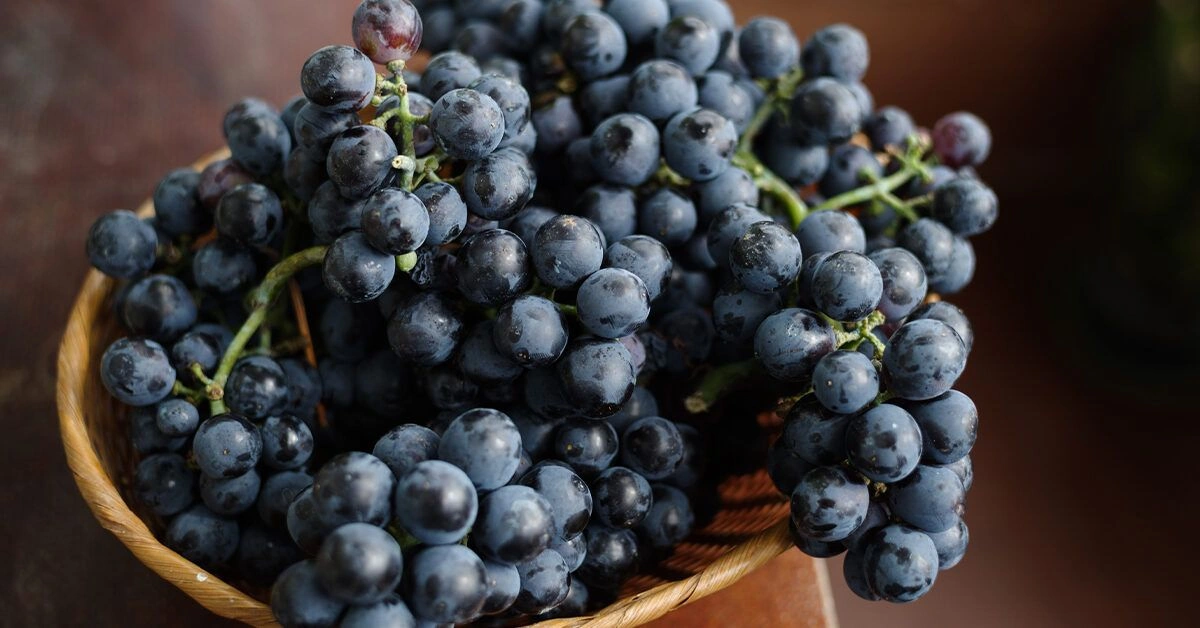
Black grapes are small, sweet fruits — well-known for their deep bluish‑purple hue that often appears nearly black. (img by hiPURE) That striking color is due to a high concentration of anthocyanins, antioxidants that give many black, purple, and blue fruits and vegetables their pigments. Anthocyanins also color foods like blackberries, blueberries, eggplant, and purple cauliflower (1). There are many varieties, including seeded and seedless types, and most are commonly…
10 Healthy Non-Carbonated Beverages to Quench Your Thirst
What you sip can influence your wellbeing just as much as what you eat. Maintaining adequate hydration is vital for all bodily processes. It’s no surprise that insufficient fluid intake can impair cognition, mood, energy, and even skin health (1). Whenever you grab your bottle, remember that staying well-hydrated supports optimal function across systems — from circulation and digestion to the endocrine and nervous systems. That said, you might be…