Kids’ Health
Kids’ Health provides advice on physical, mental, and emotional well-being for children, covering topics like nutrition, growth, development, and common health concerns.

Deep Sleep Enuresis: The Real Reason Kids Wet at Night
Ever lay in bed wondering why your little one wakes up with a soggy sheet even though they went to the bathroom right before lights out? You’re not alone. The short answer is that deep‑sleep enuresis happens when a child’s brain‑bladder communication gets lost in the deepest layers of sleep. The good news? It’s a treatable puzzle, and with the right routine, a little science, and a dash of patience,…

Daytime Urinary Control: Causes, Treatment & Tips
Hey there, friend. If you’ve ever wondered why your child keeps having “oops” moments during school, or why you suddenly feel a frantic race to the bathroom in the middle of a meeting, you’re in the right place. Let’s jump straight into the facts, the fixes, and the friendly encouragement you need to get daytime urinary control back on track. What Is Daytime Control? Daytime urinary control (sometimes called voiding…

Child Cardiac Surgery: What Every Parent Needs to Know
Imagine waking up to a phone call that tells you your child has a heart condition that might need an operation. Your mind races, emotions swirl, and a flood of questions bubbles up. “Will my baby survive? What will the surgery be like? How will life change after?” You’re not alone—hundreds of families face these worries every year. This guide is a friendly, down‑to‑earth walk‑through of everything you’ll likely ask…

Heart Valve Testing: Benefits, Risks and What to Expect
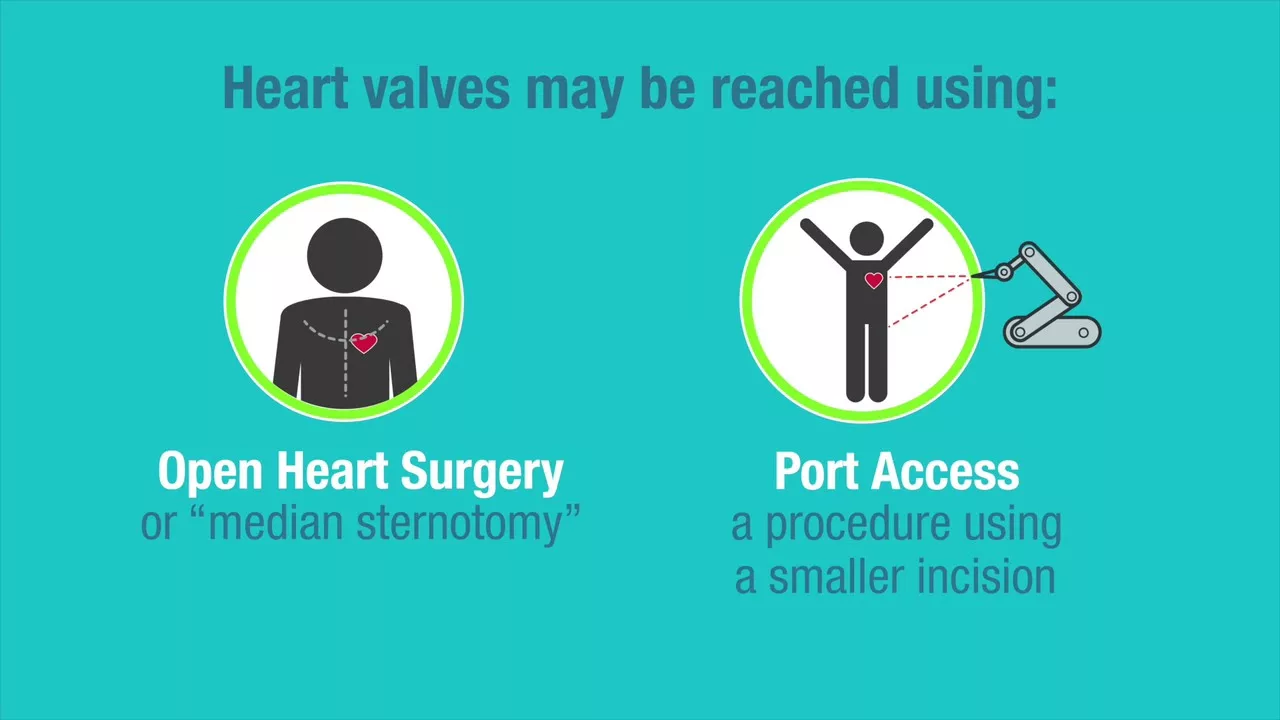
Heart valve testing is the series of imaging and functional exams that tell us whether a valve is leaking, narrowed, or working just fine. Knowing the answer right now can shape the next steps—whether it’s medication, a repair, or a brand‑new replacement heart valve. If you or a loved one are facing a valve issue, the info below will walk you through why the tests matter, what each test does,…

Congenital Heart Defects: Risks, Diagnosis & Care
Quick answer: A congenital heart defect (CHD) is a structural problem of the heart that’s present at birth. Roughly 1 % of newborns – about 40 000 babies each year in the United States – are born with some form of CHD. Why it matters: Even a “small” defect can cause low oxygen, feeding trouble, or later‑life complications such as pulmonary hypertension or arrhythmias. This guide shows you how to spot the…

Pediatric Cardiology: Your Guide to Kids’ Heart Health
Hey there, parent or curious reader! If you’ve ever wondered what “pediatric cardiology” actually means for your little one, you’re in the right spot. In the next few minutes we’ll cut straight to the chase—what the field does, why it matters, and how you can spot a problem before it grows. Think of this as a friendly coffee chat where I share the most useful info, sprinkle in a couple…

Choosing the Right Replacement Heart Valve: Your Guide
If a doctor has told you that a replacement heart valve is on the horizon, you’re probably feeling a mix of curiosity, worry, and a dash of “what‑now?” – and that’s completely normal. In the next few minutes we’ll walk through the basics, compare the options, and give you a realistic picture of what to expect, all while keeping the conversation as friendly as a chat over coffee. Understanding Replacement…

Montelukast dosage how long? Guide for adults & kids
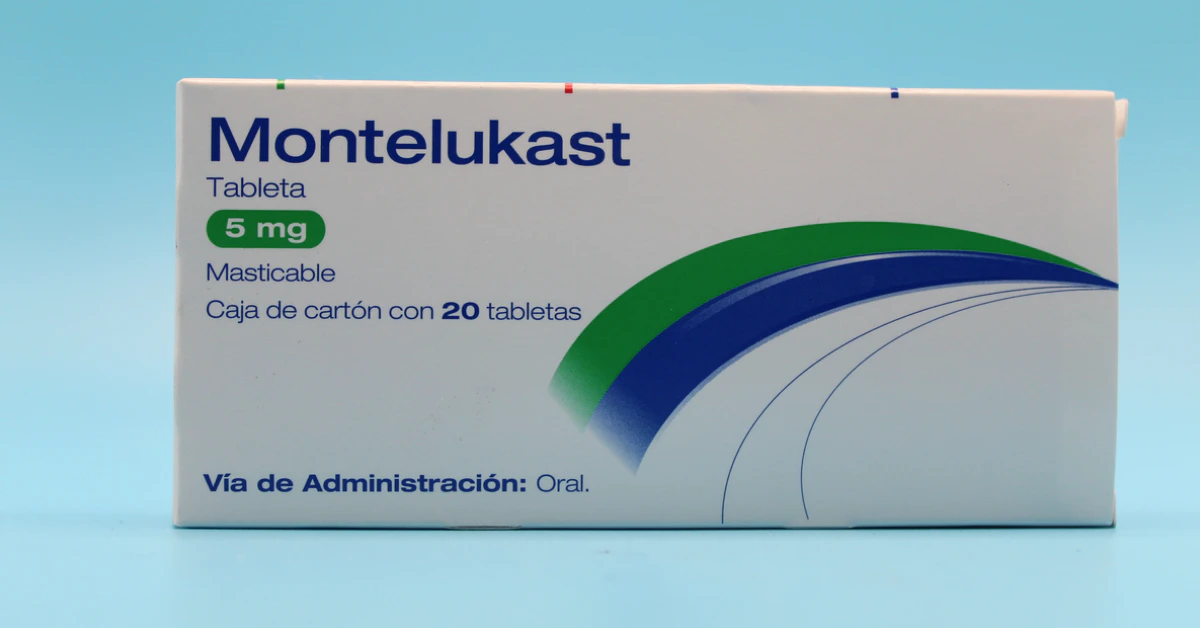
Hey there! If you’ve ended up on this page, chances are you (or someone you care about) is wondering exactly how much Montelukast to take and for how long. The quick answer? Most adults stick with a once‑daily 10 mg tablet, while kids get a dose that matches their age – usually 4 mg or 5 mg once a day. How long you stay on it depends on why you’re using it: chronic…

Montelukast Dosage for Cough: What You Need to Know
Hey there! If you’ve landed on this page, you’re probably wondering whether the “cough‑relief” pill your doctor mentioned actually has a special dose for coughing. The short answer? Montelukast isn’t approved specifically for a dry, non‑asthmatic cough, but many doctors use the same dose they use for asthma when the cough is tied to allergic or asthmatic triggers. In the next few minutes, I’ll walk you through the exact numbers,…
Montelukast Dosage for Child: Simple, Safe Guide
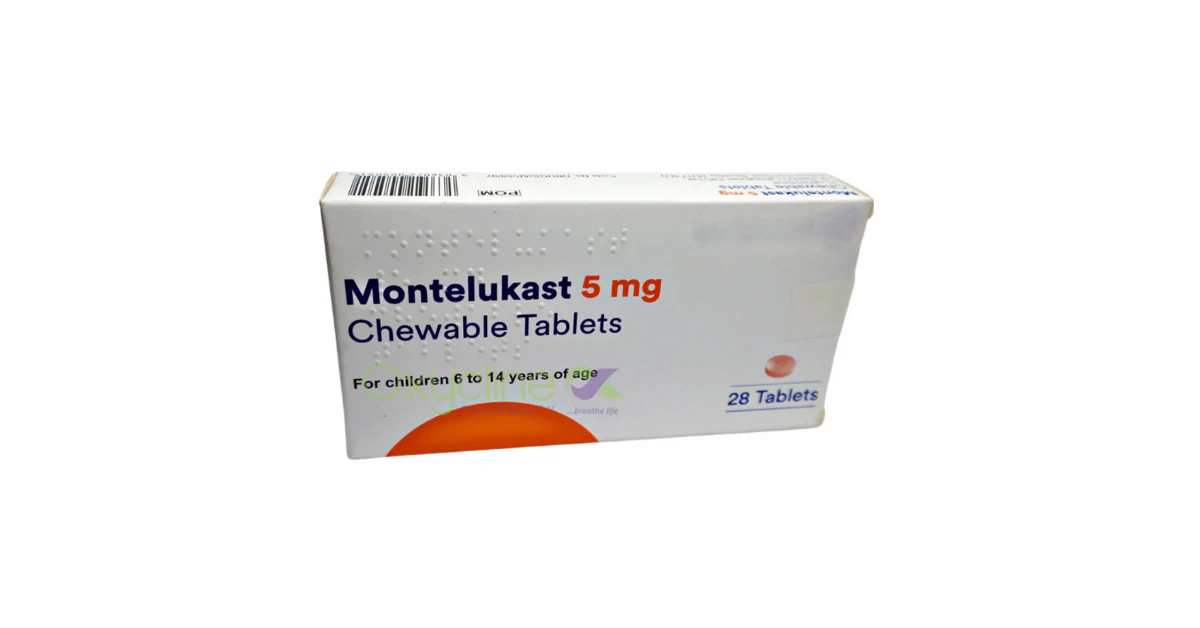
Hey there, parent‑friend! If you’ve landed on this page, you’re probably wondering how much Montelukast your little one should take. The good news? It’s usually 4 mg once a day for kids aged 6 months to 5 years, either as granules or a chewable tablet if they’re over 2 years old. Below, I’ll walk you through why that dose matters, how to give it correctly, what to watch out for, and a few tricks…