
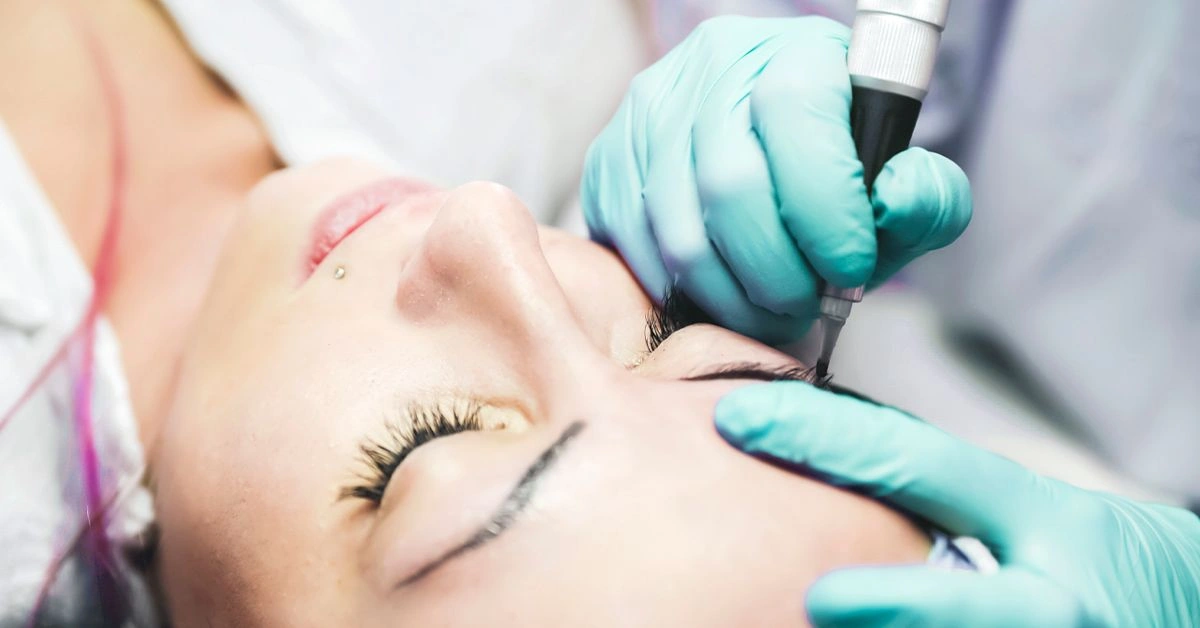
If your brows are sparse, pale, or affected by conditions that cause hair loss like alopecia, microblading might sound like an ideal solution.
Microblading is a semi-permanent cosmetic tattooing technique used to fill in thin brow areas, creating the appearance of naturally fuller eyebrows. The method uses a small bladed instrument to implant a semi-permanent pigment just beneath the skin.
The result is a delicate, hair-like brow appearance, and effects can last up to around three years, although touch-ups are commonly advised roughly every 18 months.
Although sessions can run for two hours or more, most clients report only mild pressure or discomfort rather than significant pain, largely because a topical anesthetic is applied beforehand. Individual pain tolerance varies, however, so some degree of soreness or discomfort is to be expected.
If you’re thinking about microblading, thoroughly vet the technician. Request to view their portfolio. Confirm they will use a topical numbing agent on the brow area to help reduce discomfort.
There are several measures you can take to help reduce pain and swelling after the treatment.
Does microblading eyebrows hurt?
As the term implies, microblading involves making hundreds of tiny incisions along your brow line. Like tattooing, these micro-incisions breach the skin and are then filled with pigment.
Most artists apply a numbing cream before they begin. So instead of sharp pain from the blade, you’ll generally feel pressure from the tool or a light scratching sensation.
You may also hear pronounced scratching or crisp sounds during the process, similar to the noise of footsteps on packed snow.
Pain is more pronounced if no anesthetic is used or if you have a low pain threshold. It may feel like repeated scratching on the same area. Discuss anesthetic use with your technician before the session.
It can take 30 minutes or longer for the numbing cream to become fully effective. As the session progresses, the artist will make additional incisions near or on top of earlier ones, and your skin might begin to feel irritated or slightly burned—similar to a sunburn.
The technician may alternate between brows and may apply extra numbing to the eyebrow currently not being worked on.
While mild discomfort and irritation are normal, you can help reduce tenderness by following these recommendations before your appointment:
- Avoid caffeine and alcohol on the day of the treatment.
- Refrain from tanning or prolonged sun exposure for several days prior.
- Do not pluck or wax your eyebrows for a few days leading up to the appointment.
- Avoid chemical peels, laser procedures, and other facial treatments for a few weeks beforehand.
- Stop using vitamin A products (retinol) for about a month prior.
Microblading pain vs. tattoo pain
Microblading uses a different instrument than a standard tattoo needle, but it’s still a form of tattooing because the blade penetrates the skin to deposit pigment. Traditional tattoos are usually done with a machine, whereas microblading is typically performed with a handheld tool.
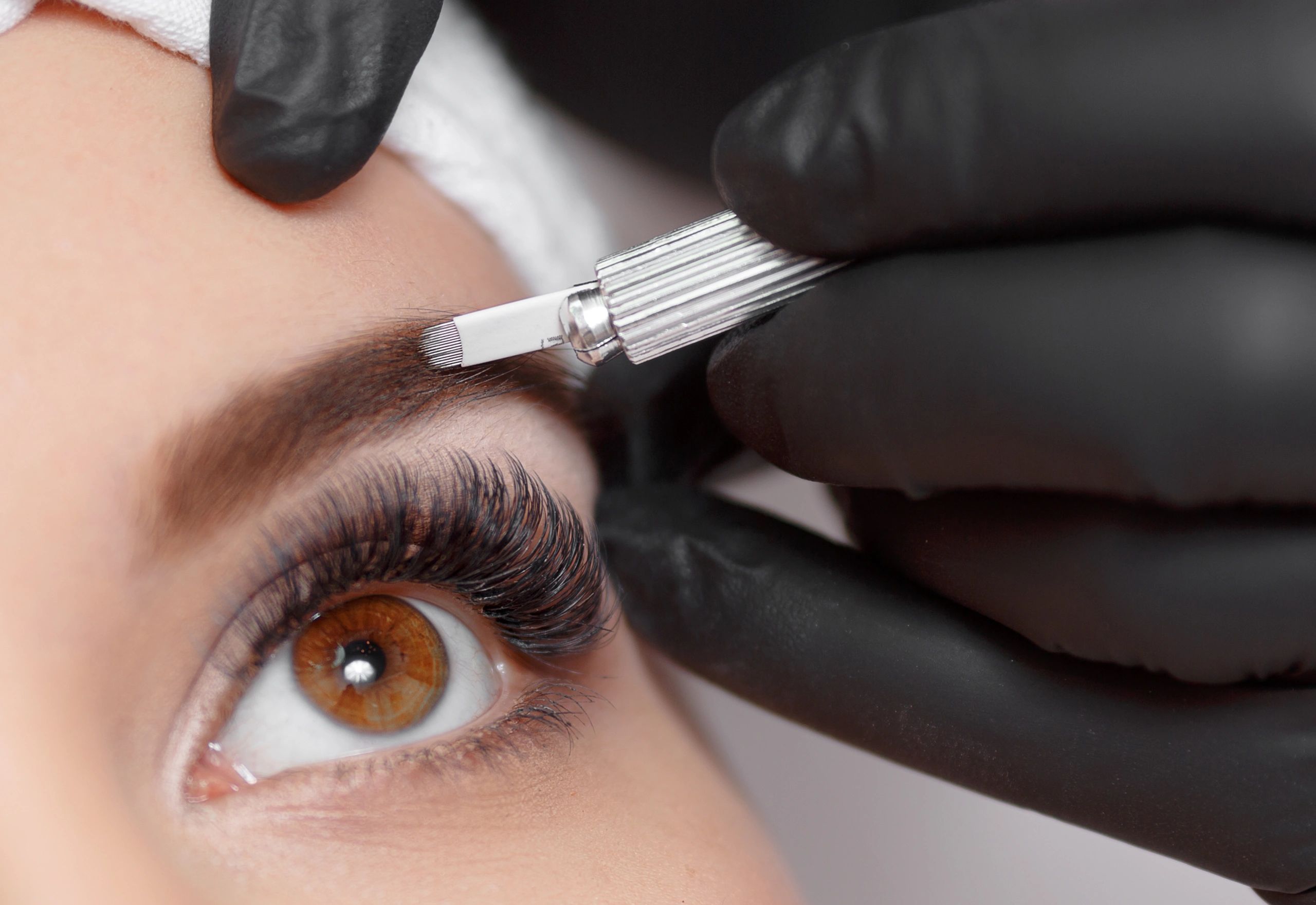
Microblading is not permanent; the pigment is placed in more superficial layers of the skin.
Microblading usually feels different and is often less painful than conventional tattooing due to the application of a numbing cream beforehand and because fewer needles are involved.
By contrast, many traditional tattoo artists do not use anesthetics during their procedures.
Nevertheless, microblading carries similar risks to tattooing, such as infection and allergic reactions to pigments. Rarely, more serious adverse reactions can occur.
Pain following a microblading procedure
It’s common for the treated area to feel tender or slightly bruised for about a day after microblading. The skin may be a bit red, and as the micro-wounds heal you might experience sensations similar to a sunburn for several days.
Complete initial healing and pigment settling generally take around 10 to 14 days. During this period your skin will be sensitive.
To reduce complications, support healing, and lower infection risk, adhere to the aftercare guidance your technician provides. Typical instructions may include:
- Apply coconut oil to your eyebrows twice daily until healed.
- Keep the area clean and dry.
- Avoid touching, rubbing, picking, or getting the brow area wet for 7–10 days.
- Refrain from using harsh skincare products.
- Do not apply makeup to the treated area for one week.
- Try to minimize sweating for a couple of weeks.
- Stay out of direct sunlight and avoid tanning beds.

Takeaway
A topical numbing agent is commonly used during microblading. Some people may still feel discomfort during the procedure, and mild soreness or irritation afterward is normal.
By carefully researching your technician and following pre- and post-procedure instructions, you can help ensure a safer, more comfortable experience.
Choosing a practitioner affiliated with organizations like the American Academy of Micropigmentation or the Society of Permanent Cosmetic Professionals (SPCP) is a good way to find someone with recognized training and credibility in microblading.












Leave a Reply
You must be logged in to post a comment.