
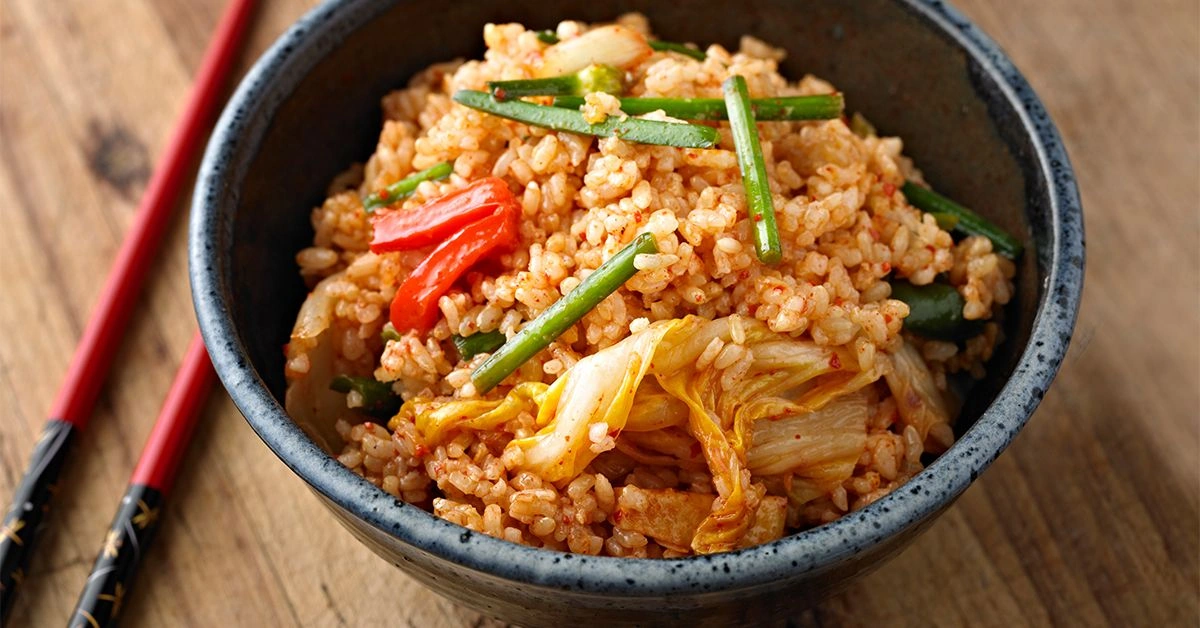
Fried rice is a beloved dish and a cornerstone of numerous Asian culinary traditions.
It generally features cooked rice combined with vegetables, eggs, and a protein such as meat, seafood, or poultry.
That said, the calorie content of fried rice varies based on the specific components and preparation methods.
This article offers estimated calorie counts for several popular fried rice varieties.
:max_bytes(150000):strip_icc()/16954-chineese-chicken-fried-rice-ii-ddmfs-3X4-0240-3db2550810b1464a965a89a55cc95c7a.jpg)
Beef fried rice: 352 calories
Beef fried rice is often prepared with ground beef or flank steak, a relatively lean cut from the cow’s abdominal area.
As a result, beef fried rice tends to deliver more protein compared with many other fried rice options.
It’s also somewhat higher in fat, which raises the overall calorie total per serving.
One cup (198 grams) of beef fried rice contains (1):
- Calories: 352
- Protein: 16 grams
- Carbs: 55 grams
- Fat: 8 grams
Summary: One cup (198 grams) of beef fried rice has roughly 352 calories, along with a notable amount of protein and fat.
Shrimp fried rice: 329 calories
Shrimp fried rice is loved for its savory taste and delicate texture.
It’s made with peeled, deveined shrimp, which typically contain fewer calories and less fat than many land-based proteins used in fried rice.
One cup (198 grams) of shrimp fried rice contains (2):
- Calories: 329
- Protein: 13 grams
- Carbs: 55 grams
- Fat: 6 grams
Summary: One cup (198 grams) of shrimp fried rice contains about 329 calories and tends to be lower in fat than many other versions.
Pork fried rice: 354 calories
Pork fried rice is commonly made with ground pork, pork chops, or pork loin.
Among the fried rice varieties listed here, pork fried rice generally has the highest calorie count.
This is largely due to pork’s variable fat content, which depends on the cut used.
One cup (198 grams) of pork fried rice contains (3):
- Calories: 354
- Protein: 15 grams
- Carbs: 55 grams
- Fat: 8 grams
Summary: One cup (198 grams) of pork fried rice contains about 354 calories and is slightly higher in fat compared with other types.
Chicken fried rice: 343 calories
While many cuts of chicken can be used to make chicken fried rice, recipes often call for chicken breast.
Chicken breast provides a solid amount of protein per serving, along with moderate fat and calorie levels.
One cup (198 grams) of chicken fried rice contains (4):
- Calories: 343
- Protein: 14 grams
- Carbs: 55 grams
- Fat: 7 grams
Summary: One cup (198 grams) of chicken fried rice has approximately 343 calories and a moderate fat content.
Vegetarian fried rice: 289 calories
Vegetarian fried rice usually includes soy sauce, stir-fried vegetables, and sesame oil.
It commonly also contains scrambled eggs mixed into the rice.
Because it omits meat, vegetarian fried rice is lower in calories, protein, and fat than the meat-based versions.
One cup (166 grams) of vegetarian fried rice contains (5):
- Calories: 289
- Protein: 6 grams
- Carbs: 54 grams
- Fat: 5 grams
Summary: One cup (166 grams) of vegetarian fried rice contains about 289 calories and has lower fat and protein compared with the meat-based options.
How to reduce calories
If you prepare fried rice at home, there are several tactics to lower its calorie content.
Adding more vegetables is an effective way to reduce calories while increasing fiber, vitamins, and minerals in the dish.
Picking lean cuts of meat, fish, or poultry also cuts calories; alternatively, omit the meat for a vegetarian version.
Replacing white rice with cauliflower rice is another straightforward method to decrease carbs and calories.
Additionally, using less oil and lightly sautéing the rice rather than deep-frying it can help control calorie intake.
Summary: When making fried rice yourself, you can implement multiple strategies to bring down the calorie load.
The bottom line
The calorie content of fried rice depends on the ingredients you choose.
Beef, chicken, pork, shrimp, and vegetarian fried rice all supply different calorie amounts.
Selecting lean proteins, cutting back on oil, increasing vegetable content, or substituting cauliflower rice for white rice are practical ways to lower the calories in your meal.




















Leave a Reply
You must be logged in to post a comment.