
Preparing a homemade enema to ease constipation needs particular ingredients and thoroughly cleaned equipment. Some individuals may experience adverse effects from enemas, such as nausea or dehydration.

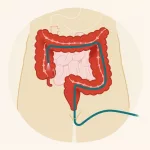
An enema is a technique for evacuating the colon by introducing fluid — essentially loosening impacted stool to encourage a bowel movement.
Enemas are most often used to relieve constipation. Typically, a small bottle or container is filled with a safe solution, like soap suds or a saline mix.
The fluid is then gently introduced into the rectum using a clean nozzle. This pushes the solution into the intestines to help dislodge firm or impacted stool.
Because of potential side effects, enemas are usually a last-resort treatment for constipation. They can be performed safely at home if you use appropriate fluids and sterilized instruments, such as a certified home enema kit.
However, most at-home enema approaches are not advised without a healthcare professional’s oversight.
Home enema for constipation
Making an enema at home isn’t complicated. You need a specific enema recipe from your clinician, a safe liquid, and proper equipment.
WarningDo not try to give yourself an enema if you’re uncertain whether a solution is safe or if you lack sterile equipment.
Before administering an enema, take these steps:
- Pour about eight cups of hot, distilled water into a clean cup, bowl, or jar. The water should be close to body temperature; roughly 98–100°F or 37–38°C.
- Add a small amount of Castile soap, iodized salt, or sodium butyrate to the water. Excessive soap or salt may irritate the intestines. Check with your physician about the safe quantity for you to use.
- Obtain a clean, sterilized enema bag and tubing to administer the enema safely.
If you plan to use mineral oil, you’ll need about 120 ml of pure, natural mineral oil.
Home enema kit
Home enema kits are available from many retailers that sell medical supplies. These sets include all necessary items to perform an enema, such as the bag, tubing, and cleansing fluid. Instead of assembling everything yourself, these kits can be used right away.
You can buy a kit at any major store that stocks home health items, or find options online.
Is it safe to make an enema at home?
When the correct enema solution and sterile equipment are used, preparing an enema at home is generally considered safe.
Still, enemas and colon cleanses may cause symptoms like nausea, dehydration, and electrolyte imbalances. Do not attempt an enema without first consulting your doctor.
You must take precautions to avoid possible side effects or complications. Here are important things to consider before making an enema at home.
“Natural” enemas like lemon juice or coffee can be risky
There is limited evidence supporting the benefit of these substances for enemas.
Compounds in citrus or coffee may disturb your gut microbiome and lead to complications such as rectal burns, bacterial infections, and in severe cases, death.
Avoid attempting these types of enemas unless you have medical advice first.
Certain chemicals can provoke damaging reactions in the colon
A 2017 case report described two children who developed colitis with bloody diarrhea and vomiting after a homemade hydrogen peroxide enema. Recovery from this type of injury can take up to eight months.
Unsterile or improper tool use can cause serious complications
Nonsterile equipment may harbor bacteria and cause issues like bowel infections. Incorrect use of tools can injure the anus, rectum, or lower colon.
Medical alternatives
It’s generally advised to have a healthcare provider perform an enema or to try other treatments to loosen stool, manage chronic constipation, or remove harmful bacteria from the gut.
Possible alternative approaches a doctor may recommend instead of a standard enema include:
- Laxatives such as bisacodyl to stimulate a bowel movement.
- Probiotic enemas to help rebalance gut bacteria and treat or prevent digestive disorders.
- Foley balloon enemas that expand the rectum and lower colon to help stool progress through the intestine.
How to administer an enema
Follow these step-by-step directions to safely give yourself an enema:
- Drink a glass or two of water to reduce the risk of dehydration.
- If possible, use a clean, empty bathtub for the procedure. If a tub isn’t available, lay down a clean towel on the floor.
- Fill an enema bag with the soap or salt solution, or with pure mineral oil.
- Clamp the bag closed so it doesn’t leak.
- Point the hose downward and slightly open the clamp so trapped air can escape. This is crucial because introducing air into the colon can cause gas, bloating, and nausea.
- Hang or hold the bag about 12–18 inches above the rectum so the fluid can flow downward.
- Use a safe lubricant to ease the tube’s insertion and improve comfort.
- Lie on your side and draw your knees up toward your chest.
- Insert the tube gently and slowly into the rectum, relaxing your muscles and allowing the anus to open to make insertion easier. Only advance the tube up to four inches into the rectum.
- Allow time for the fluid to flow into the rectum. Breathe slowly and deeply and relax until the bag empties.
- Carefully withdraw the tube from the rectum.
- Stand up slowly and head to the toilet immediately if you feel the urge to have a bowel movement.
Takeaway
Consult a physician about safe gut cleanses or treatments for constipation before attempting any procedure on your own.
Using unsafe materials or contaminated tools can expose you to harmful bacteria or provoke dangerous reactions in the colon. Incorrectly performing an enema can injure the anus, rectum, or colon.
Take appropriate precautions prior to giving yourself an enema: ensure the solution is safe, sterilize all instruments, and follow every step carefully while administering the enema.















Leave a Reply
You must be logged in to post a comment.