
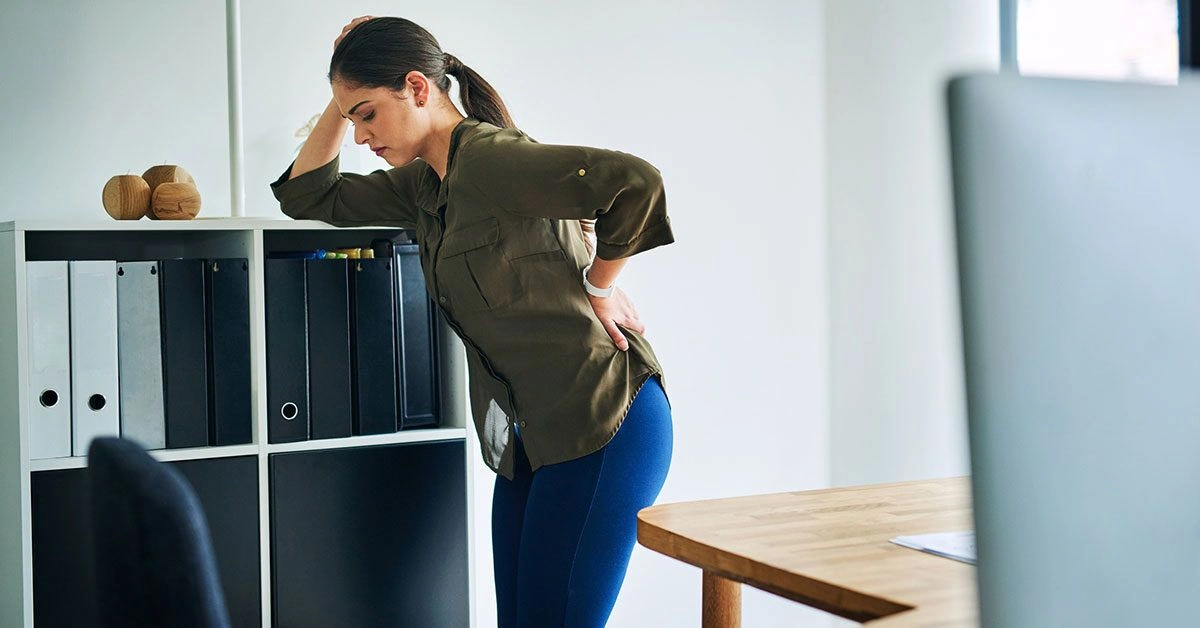
Lower back pain and diarrhea can appear together for several reasons. Conditions such as irritable bowel syndrome (IBS), fecal impaction, enteropathic arthritis, and even cancers can produce both symptoms. If both signs continue, medical evaluation may be necessary.

Both lower back pain and diarrhea are frequent complaints. Roughly 80 percent of adults will have low back pain at some time, and diarrhea can affect anyone intermittently.
A 2014 study of chiropractic patients reported a substantial number of individuals with both low back pain and bowel complaints, although a direct causal link wasn’t established.
If you notice repeated episodes of lower back pain accompanied by diarrhea, there may be an underlying medical issue. Below we review some of the possible explanations.
Lower back pain with diarrhea that occurs alongside fever, severe abdominal pain, or loss of bladder or bowel control could signal a serious problem, such as appendicitis or cauda equina syndrome. Call 911 or go to the nearest emergency room.
Causes of lower back pain and diarrhea
Your lower back discomfort and diarrhea might be coincidental, but when these symptoms recur, an underlying medical cause is more likely.
Possible reasons include:
Appendicitis
Appendicitis is inflammation of the appendix, a small pouch attached to the first portion of the colon in the lower right abdomen.
Pain from appendicitis often begins around the navel then shifts to the lower right abdomen. In some people the appendix lies behind the colon, which can produce lower back pain.
Other symptoms may include:
- diarrhea or constipation
- fever
- loss of appetite
- abdominal pain that may intensify
- nausea and vomiting
- inability to pass gas
Appendicitis requires prompt care. Without treatment, the condition can deteriorate within hours, potentially causing the appendix to burst.
A ruptured appendix can seed infection throughout the abdominal cavity and is life-threatening. Seek immediate medical attention if you suspect appendicitis.
Kidney infection
Also known as pyelonephritis, a kidney infection is a type of urinary tract infection that commonly starts in the bladder or urethra and travels up to one or both kidneys.
Untreated, a kidney infection can permanently injure the kidneys or spread into the bloodstream.
See a doctor promptly if you have sudden lower back pain and diarrhea along with nausea and fever.
Pain in the flank or pelvis can also occur, as can signs of a lower UTI or cystitis. Those symptoms include:
- a burning sensation when urinating
- frequent or urgent urination
- cloudy or foul-smelling urine
A kidney infection needs urgent antibiotic therapy to avoid serious complications and may require hospital care.
Fecal impaction
Fecal impaction happens when a large, hard stool becomes lodged in the rectum. It often stems from chronic constipation, which can be associated with long-term use or misuse of certain laxatives.
With constipation, stool can become dry and hard, making it difficult to pass. Risk rises if laxatives are stopped after prolonged use because bowel function may become dependent on them.
While more common in older adults, fecal impaction can affect people of any age with chronic constipation.
Fecal impaction can produce abdominal and lower back pain and a sense of pressure. It can also lead to leakage of liquid stool or sudden watery diarrhea after prolonged constipation.
Other possible signs include:
- cramping
- bloating
- rectal bleeding
- pressure on the bladder
- urinary incontinence
Irritable bowel syndrome (IBS)
IBS is a common long-term disorder affecting an estimated 10 to 15 percent of people worldwide.
It’s marked by a cluster of symptoms such as:
- bloating
- abdominal pain
- diarrhea
- constipation
Although IBS doesn’t cause cancer or permanently harm the colon the way inflammatory bowel disease can, it can be quite uncomfortable.
IBS symptoms fluctuate. In addition to abdominal pain, IBS may cause lower back discomfort and diarrhea, sometimes accompanied by nausea.
It can also present with constipation or a pattern of alternating diarrhea and constipation. Other frequent findings include:
- cramping
- excessive gas
- mucus in the stool
Enteropathic arthritis
Enteropathic arthritis is a chronic inflammatory arthritis linked to inflammatory bowel disease (IBD).
IBD types include ulcerative colitis and Crohn’s disease, and about 1 in 5 people with these conditions will develop enteropathic arthritis.
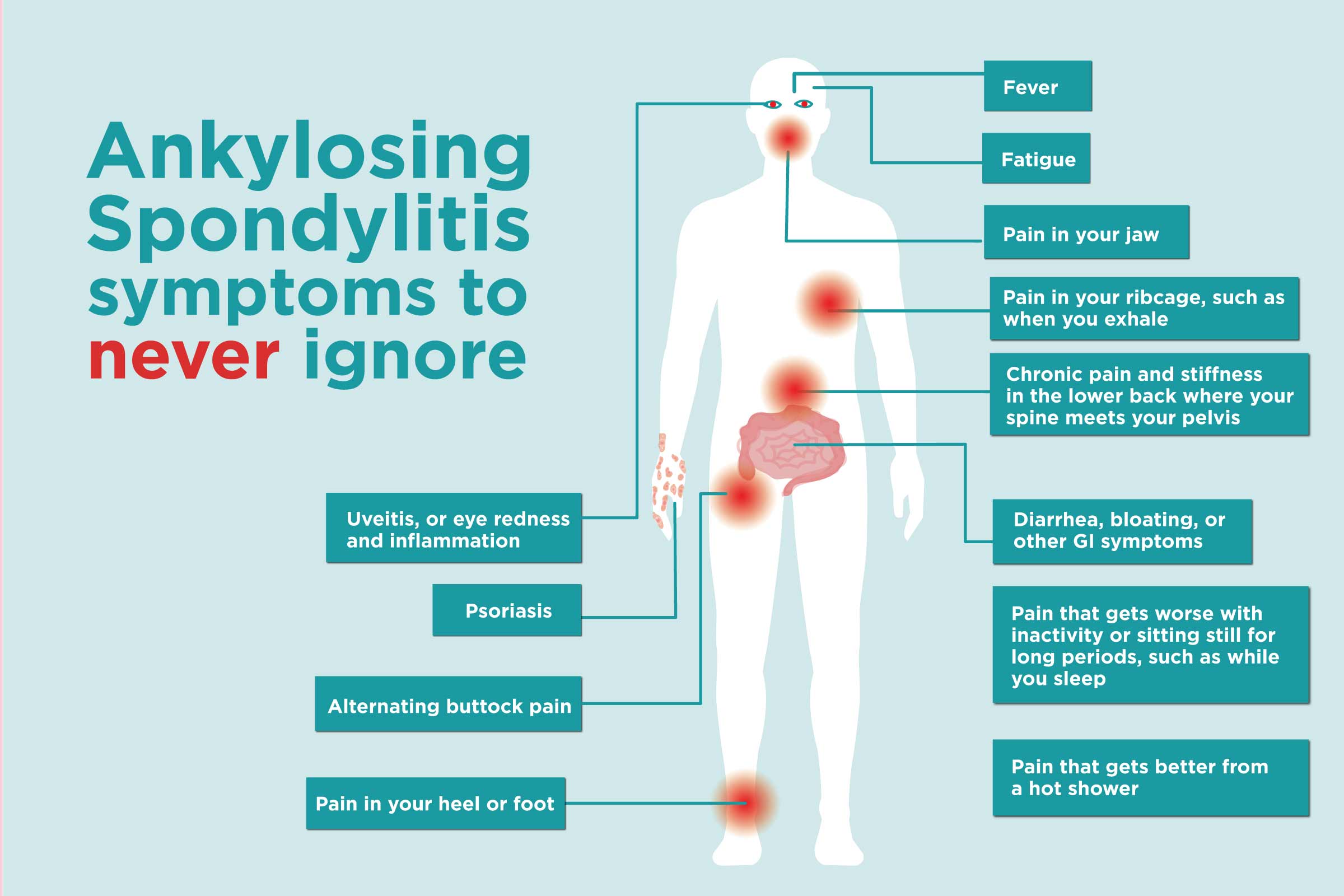
Other arthritic conditions, such as ankylosing spondylitis and psoriatic arthritis, can present with similar symptoms or be associated with IBD.
IBD commonly produces diarrhea and abdominal pain. When IBD is accompanied by spinal arthritis it can lead to lower back pain alongside diarrhea.
Additional symptoms differ by the type of IBD and arthritis, and may include:
- joint pain and stiffness
- bloody diarrhea
- cramping
- loss of appetite
- fatigue
Pancreatic cancer
Pancreatic cancer makes up about 3 percent of cancers in the United States, according to the American Cancer Society.
Symptoms vary by tumor type, its location, and the stage; early pancreatic cancers often cause no symptoms.
Possible signs include:
- upper abdominal pain
- back pain
- nausea
- dark-colored urine
- jaundice
- unintentional weight loss
- poor appetite
- diarrhea
- nausea and vomiting
Keep in mind most of these symptoms are more commonly due to less serious conditions. If you’re worried about pancreatic cancer, consult your physician.
Treatment for lower back pain and diarrhea
Treatment options vary depending on the root cause and can include both home care and medical therapies.
When back pain and diarrhea are unrelated and mild, home remedies often help. If an underlying illness is responsible, your clinician will treat that condition to relieve both symptoms.
At-home measures
For back pain or diarrhea, consider:
- over-the-counter pain relievers
- alternating heat and cold packs
- gentle stretching and mild exercise
- Epsom salt baths
- limited rest
- OTC antidiarrheal agents
- clear fluids to prevent dehydration
- avoiding dairy and high-fiber foods for a short period
Medical therapies
Treatment directed at the cause may include:
- antibiotics
- prescription medications for diarrhea
- muscle relaxants
- IV fluids and electrolyte replacement
- biofeedback
- chemotherapy or other anticancer agents
- surgical intervention
When to seek medical care
Contact a doctor if your symptoms don’t get better within a few days.
Get emergency help right away if you have:
- intense abdominal or back pain
- very high fever
- blood in your stool
- sudden loss of bowel or bladder control
- severe lightheadedness or confusion
Summary
Occasional lower back pain and diarrhea are common and may be unrelated. Their coexistence doesn’t always signify a more serious illness.
However, persistent or severe symptoms warrant discussion with your doctor so they can exclude more significant causes.


















Leave a Reply
You must be logged in to post a comment.