
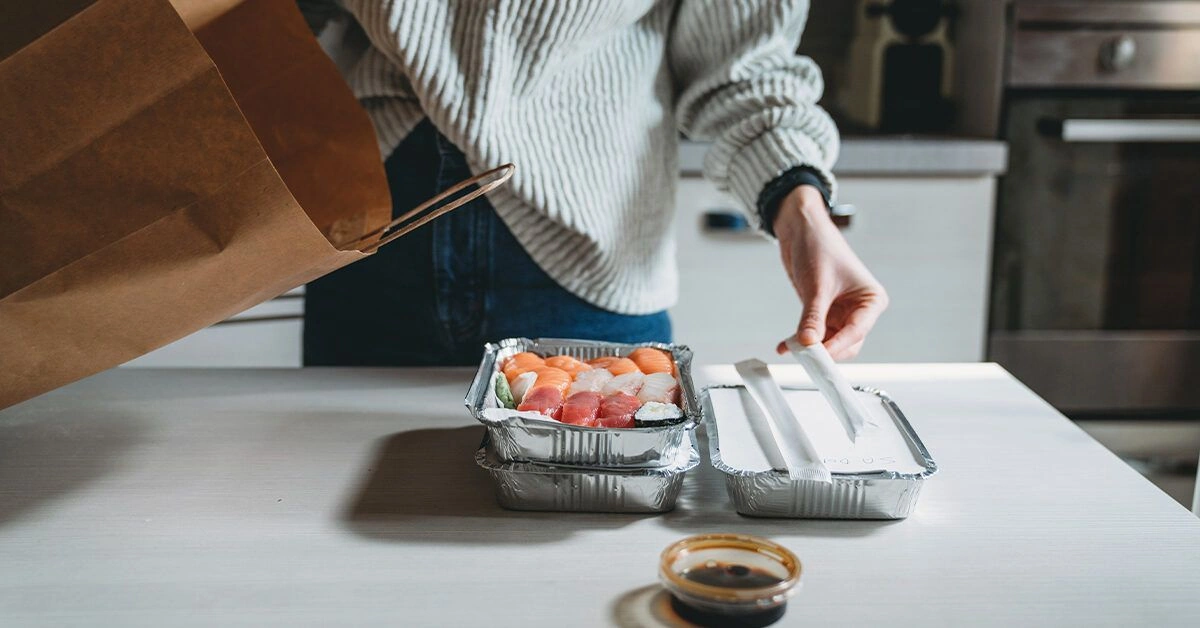
Sushi is a classic form of Japanese fare that enjoys worldwide popularity (1).
While many people picture raw fish when they think of sushi, it can also be prepared with various cooked seafood. Other common components include vegetables and vinegared rice rolled in dried seaweed (nori).
Whether you made sushi at home or ordered it at a restaurant, you might end up with leftovers. But how should you store sushi so it remains safe to eat later?
This piece explains how long sushi stays good, the best storage methods, and how to spot signs of spoilage.

How long can sushi last before going bad?
The shelf life and storage advice for sushi depend largely on the ingredients used.
In general, the U.S. Food and Drug Administration (FDA) advises that leftovers should not sit at room temperature for more than 2 hours, and for no more than 1 hour if you’re outdoors and the temperature exceeds 90°F (32°C) (2).
This recommendation applies to both raw items like sashimi and cooked varieties such as tempura or California rolls.
When it comes to refrigeration, the U.S. Department of Agriculture (USDA) suggests that raw fish and shellfish may be kept in the fridge for 1–2 days, while cooked seafood can last 3–4 days (3).
The aim is to avoid the temperature “danger zone” of 40–140°F (4–60°C), where bacteria multiply more quickly and the risk of foodborne illness rises (3).
| Type of sushi | Storage at room temperature | Storage in the refrigerator |
| Raw (e.g. sashimi) | Up to 2 hours | 1–2 days |
| Cooked (e.g. eel, California rolls) | Up to 2 hours | 3–4 days |
Summary: Raw sushi is safe at room temperature for up to 2 hours and can be refrigerated for 1–2 days; cooked sushi may be kept in the fridge for 3–4 days.
How to store leftover sushi safely
The FDA recommends wrapping raw fish and seafood — including sushi — tightly in plastic wrap, foil, or moisture-resistant paper and keeping it chilled or frozen (4).
You can also place sushi in an airtight container to limit moisture and slow bacterial growth. Avoid using containers that don’t seal well, as they can encourage spoilage and microbial activity (5).
Refrigerate raw sushi for up to 2 days and cooked sushi for up to 4 days. Freezing is an option for longer storage, though it may reduce the product’s texture and overall quality.
Summary: Wrap sushi in plastic or store it in airtight containers and refrigerate for the recommended durations to keep it safe.
How to tell if sushi has spoiled
Use your senses to detect whether your sushi has gone bad:
- Smell.Bacterial activity can make sushi give off a foul odor. If you’ve refrigerated sushi, check for off smells before eating (5).
- Appearance.Although chilling can slightly alter flavor and texture, look for marked discoloration or visible mold as signs of spoilage.
- Texture/slime.Rice and other ingredients may become slimy as they spoil. If you notice a sticky or slippery film, discard the sushi.
Summary: Detect spoilage by smelling for unpleasant odors, inspecting for color changes or mold, and feeling for slime.

Health risks from eating spoiled sushi
Raw fish and seafood, including sushi and sashimi, have a higher chance of harboring parasites and harmful bacteria that can cause foodborne disease (6, 7).
Anisakidosis — infection by larvae in the digestive tract — is commonly linked with sushi in Japan, and salmonella outbreaks in the U.S. have been tied to sushi as well (1, 8).
Symptoms of foodborne illness vary but often include diarrhea, vomiting, nausea, and abdominal cramps (1, 9).
Food poisoning can be more severe in groups at higher risk of complications, including young children, older adults, pregnant people, and individuals with certain medical conditions. For guidance about eating raw fish during pregnancy, see can pregnant women eat sushi.
Besides the threat of foodborne infections, some sushi can contain mercury — a toxic heavy metal that, in large quantities, may harm the brain, gastrointestinal system, and kidneys (10).
Summary: The main hazard of eating spoiled sushi is contracting a foodborne illness, and sushi can also be a source of mercury exposure.
Bottom line
Sushi is a widely enjoyed Japanese dish that often features a mix of raw and cooked seafood, vegetables, vinegared rice, and nori.
Because it’s more prone to carrying parasites and bacteria, proper storage is essential to lower the chance of foodborne illness.
Raw sushi like sashimi can be kept in the refrigerator for 1–2 days, while cooked sushi generally lasts 3–4 days. Neither should remain at room temperature for more than 2 hours.
One simple tip
Try this today: When buying packaged sushi, check the “use by” or expiration date on the label. If you have leftovers, wrap them tightly in plastic wrap and store them in an airtight container in the fridge.























Leave a Reply
You must be logged in to post a comment.