

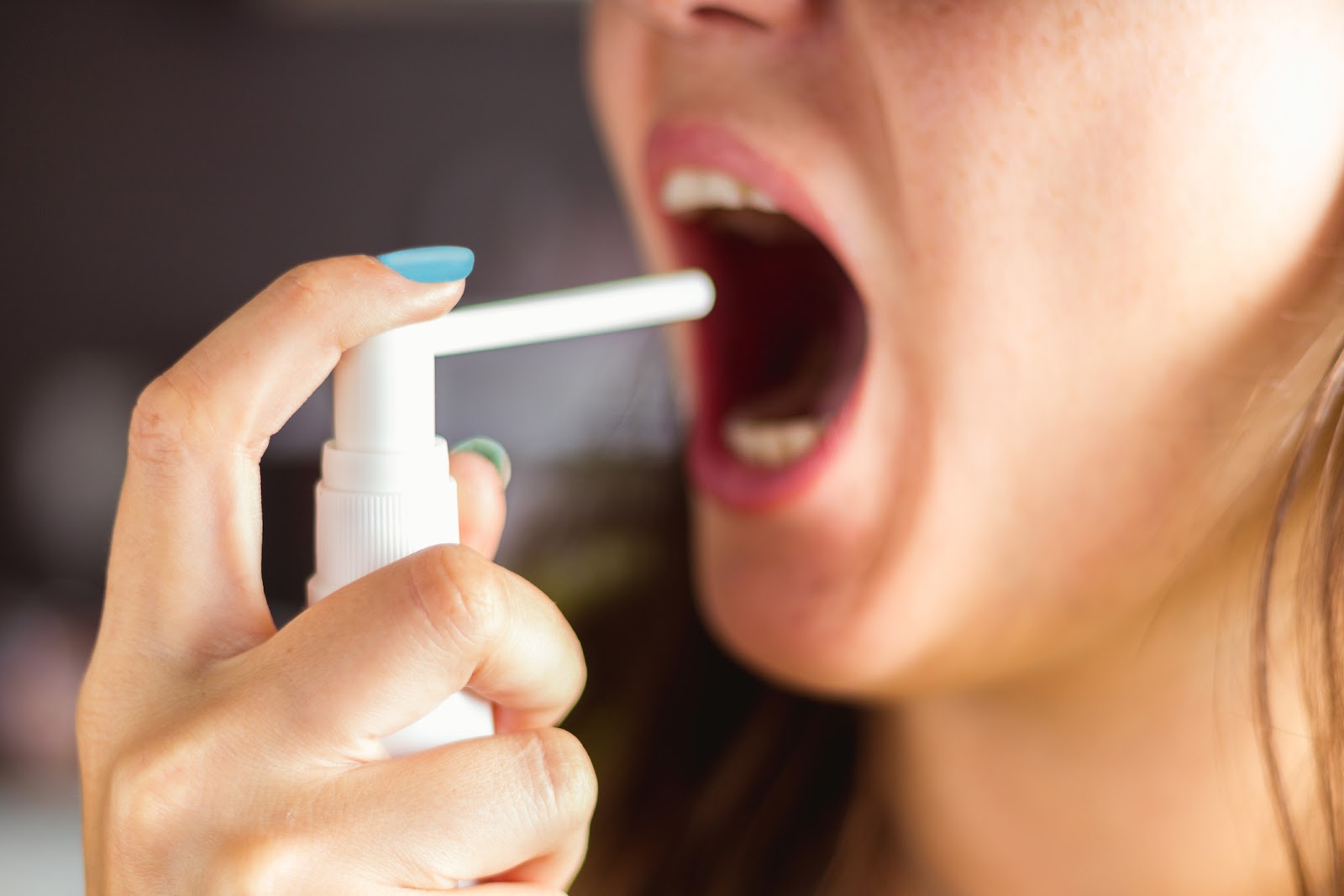
Most throat spray products instruct you to aim and spray once directly toward the back of your throat. Typically, you let the spray remain briefly before spitting it out. How often you may repeat this varies by product.
Sore throat symptoms can make speaking or swallowing uncomfortable. Even a mild sore throat may cause pain, scratchiness, and irritation that disrupts everyday activities.
Over-the-counter remedies for sore throats, such as throat sprays, can offer soothing relief. Yet understanding the proper way to use throat spray can be unclear.
Throat sprays won’t eliminate the underlying cause of a sore throat but can temporarily ease symptoms. Below, we’ll outline how throat spray works and how to apply it correctly.
How do you use throat spray effectively?
Although throat sprays are available without a prescription, use them only as the packaging directs. Accidental overuse is common and should be avoided, particularly when treating young children.
Directions can vary slightly between brands, so it’s important to read the label. In general, you can follow these steps:
- Confirm the correct dose before applying.
- Remove the cap from the nozzle. Make sure the opening is clean and free of residue.
- Aim the spray toward the back of your throat and spray the number of times specified (often once or twice).
- Gargle or let the spray sit on your throat for 15–60 seconds or as directed on the package.
- Spit out any remaining liquid.
Active ingredients in throat spray
Throat sprays commonly include topical anesthetics, such as phenol or dyclonine hydrochloride, which numb the area.
They frequently contain soothing agents, like glycerin, that coat the throat and help protect it from further irritation.
Some sprays also include antiseptics, such as povidone-iodine (iodopovidone), which reduce microorganisms like bacteria. Antiseptics differ from antibiotics. If you suspect a bacterial infection, consult a healthcare provider for appropriate treatment.
How fast does throat spray work?
Throat sprays are designed to provide rapid symptom relief.
You may notice a numbing effect within 15–30 seconds after applying the spray. Generally, a marked reduction in symptoms such as pain and scratchiness is expected within 5–10 minutes.
How long does throat spray last?
Relief from throat spray is temporary and varies by formulation.
The numbing sensation typically persists for about 2 hours. If you are dehydrated, symptoms might return sooner. Drinking fluids such as warm tea or cool water can help prolong relief.
How often can I use throat spray?
Your discomfort may return before it’s time to reapply, but it’s important to adhere to a healthcare professional’s guidance or the manufacturer’s instructions.
Generally, throat spray can be used every 2 hours, up to four times a day. Many products aren’t intended for use beyond 2 days without medical advice.
What are the side effects of throat spray?
The most frequent side effect is irritation in the mouth or throat, which can range from mild to severe. A slight tingling sensation is also common.
If you experience discomfort after using throat spray, stop using it and inform a healthcare professional.
Some people may be allergic to ingredients like phenol or dyclonine. If you know or suspect an allergy to these substances, avoid sprays containing them. Allergic reactions can include:
- itchy rash or hives
- swelling of the face, throat, lips, or tongue
- blisters
- wheezing
- a tight feeling in the throat or chest
- difficulty breathing or swallowing
- hoarseness
Who should not use throat spray?
If you are pregnant or breastfeeding, experts advise consulting a healthcare provider before using throat spray.
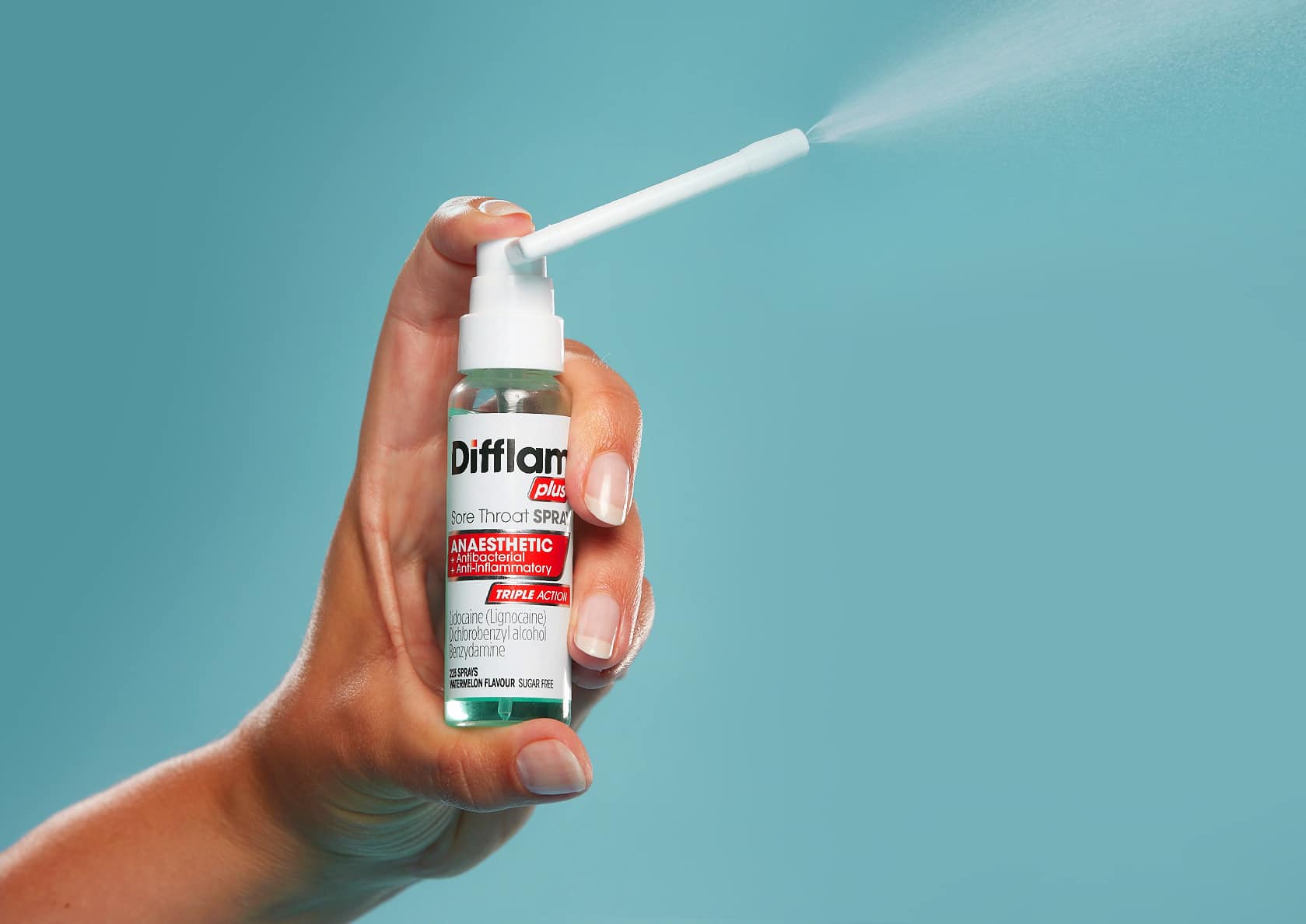
Many throat sprays are not recommended for children under 12, though some formulations allow use in children as young as 3 years old. Do not apply throat spray to gums for teething pain in infants. Always follow the label directions.
Some sprays contain benzocaine. According to the Food and Drug Administration (FDA), misuse or overuse of benzocaine can cause methemoglobinemia, a rare but potentially life-threatening condition.
If your symptoms worsen or continue for more than 7 days, discontinue use and see a healthcare provider. You may have an issue that requires prescription medication or other treatment.
Frequently asked questions
Can you swallow throat spray?
Throat spray isn’t intended to be swallowed, but if a small amount is accidentally swallowed, there’s usually no need to panic. Ingesting large quantities could cause mild stomach upset or other gastrointestinal symptoms.
Many sprays are flavored, like cherry or mint. Keep these products away from children. Drinking throat spray can lead to overdose or poisoning. If this happens, get emergency medical attention or contact Poison Control at 800-222-1222.
Do you spit out throat spray?
Yes. After gargling or letting the throat spray sit, you should spit out the remaining liquid.
Should I drink water after throat spray?
Wait several minutes after applying throat spray before drinking water. This allows the product time to take effect and reduces the chance of swallowing it prematurely.
Staying hydrated is important when ill, but you might want to avoid eating or drinking while your throat is numb.
When should I use throat spray?
Your throat may feel worse upon waking. Using throat spray then can be helpful.
It may also be beneficial to use throat spray before bedtime if symptoms interfere with sleep.
Remember throat sprays are symptomatic treatments, not cures. If you have a high fever, swollen tonsils, a rash, or other concerning signs, seek medical evaluation rather than relying solely on throat spray.
Can I use throat spray for tonsillitis?
Tonsillitis is usually caused by a virus or bacteria. Throat spray can ease discomfort but will not treat tonsillitis itself.
Takeaway
Throat spray is an over-the-counter option for at-home relief of sore throat symptoms. When used as directed, these products are generally safe.
Some formulations are not suitable for young children. If you are pregnant or breastfeeding, consider consulting a healthcare provider before using throat spray.






















Leave a Reply
You must be logged in to post a comment.