

Advocates for infrared saunas claim the radiant heat penetrates deeper than warmed air. That means you can experience a stronger sweat at lower temperatures and tolerate longer sessions.
A 20-minute sauna session can be hard to beat. You typically feel calmer and more refreshed afterward, with the heat helping to ease aching muscles and supporting general health and wellness.
If the intense heat of a conventional sauna is overwhelming, an infrared sauna may provide similar benefits without such extreme temperatures.

What exactly is an infrared sauna?
Unlike a traditional sauna, an infrared sauna doesn’t primarily warm the surrounding air. Instead, infrared panels — which emit electromagnetic radiation — heat your body directly.
“These saunas employ infrared panels in place of standard heat, allowing energy to penetrate human tissue and warm your body before the air,” said physical therapist Vivian Eisenstadt, MAPT, CPT, MASP.
An infrared sauna typically runs at lower temperatures — often between 120°F and 140°F (49°C to 60°C) — whereas a traditional sauna usually operates between 150°F and 180°F (66°C to 82°C).
Some manufacturers assert that roughly 20% of the heat heats the air while the remaining 80% directly warms the body in an infrared sauna.
What benefits are claimed for infrared saunas?
Reported benefits of infrared saunas largely mirror those attributed to conventional saunas. They commonly include:
- improved sleep
- reduced stress
- detox support
- assistance with weight management
- easing sore muscles
- alleviating joint pain such as arthritis
- smoother, firmer skin
- enhanced circulation
- reduction of chronic fatigue syndrome symptoms
People have relied on saunas for generations for a variety of health reasons. While many studies exist on traditional saunas, fewer investigations focus specifically on infrared units.
Some studies indicate infrared sauna use might benefit cardiovascular health and support muscle recovery after exercise. Yet, limited high-quality, large-scale research means deciding whether an infrared sauna suits you is largely a personal choice.
Even if a session doesn’t deliver every promised advantage, it still feels pleasant. Additionally, regular sessions can aid your overall well-being by promoting relaxation, loosening tight muscles, reducing joint discomfort, and providing quiet time for yourself.
While available evidence suggests risks from infrared saunas are relatively small, overheating and dehydration remain possible, so caution is warranted. Saunas may also interact with certain medications.
Health professionals advise against sauna use if you are pregnant or if you have low blood pressure.
How should you use an infrared sauna?
You can find infrared sauna sessions at gyms, spas, or medical clinics, or buy/build one for home use. There aren’t universal rules for infrared sauna use, so practices can vary.
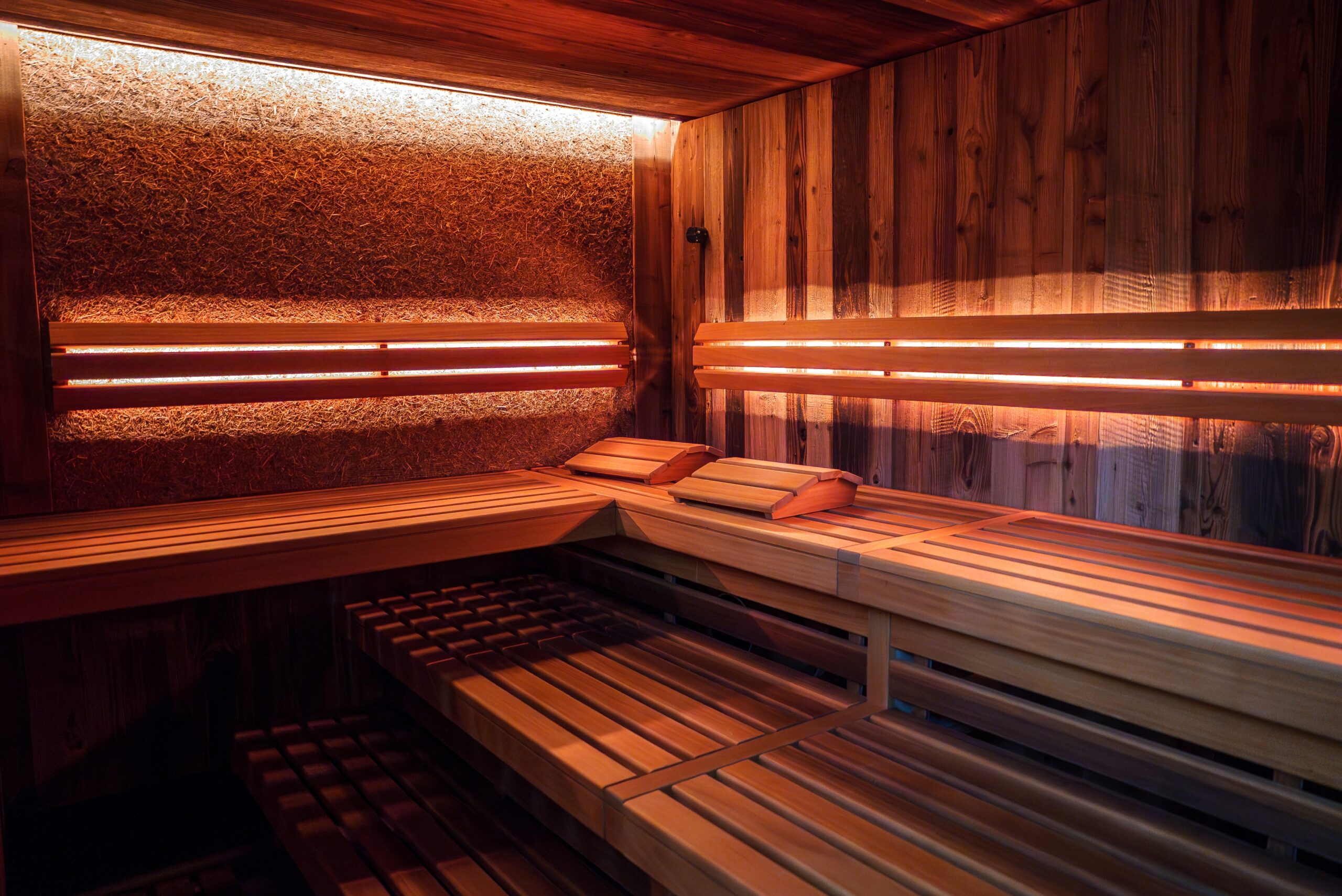
Here are some general pointers to help you get started, though how you use a sauna is ultimately up to you:
- Stay hydrated: Ensure you’re well-hydrated before entering. Drink a glass of water beforehand and consider bringing water into the sauna if you’re sensitive to heat.
- Begin with a lower temperature: Infrared saunas commonly range from 100°F to 150°F (38°C to 66°C). If it’s your first time, start at about 100°F (38°C) and increase gradually.
- Start short: New users should begin with brief sessions, such as 5 minutes, and add time slowly. Avoid exceeding 15 to 20 minutes per session. Use the sauna timer so you don’t overstay and risk dehydration.
- Cool down afterward: Allow your body to cool off after the session. Once cooled, you may shower or bathe, but be sure to rehydrate.
- Wear what you prefer: Clothing choices are personal — some wear swimsuits, others prefer nude sessions.
- Unwind: Read, meditate, listen to music, or socialize. Avoid falling asleep.
Most facilities that offer infrared saunas suggest using them 3 to 4 times per week. If you tolerate it well and are in good health, daily use may be acceptable for some individuals.
Precautions before trying an infrared sauna
Keep a few safety tips in mind prior to your first visit:
- Don’t use an infrared sauna after consuming alcohol.
- If you’re unwell or have a fever, wait until you’ve recovered before using one.
- Sweating heavily can cause lightheadedness. If this occurs, rise slowly, sit down outside the sauna, and sip water.
- Replenish fluids immediately after your session and let your body cool before resuming activities.
Remember that overheating and dehydration are real risks. Drink fluids to replace losses and give yourself time to cool off.
If you experience severe symptoms after sauna use — such as a headache, a fever of 104°F (40°C) or higher, confusion, or a rapid heartbeat — seek medical care, as these could indicate heatstroke.
If you have medical conditions like hypertension or heart disease, consult your physician before trying an infrared sauna. While infrared saunas are generally safe, it’s wise not to take unnecessary risks with your health.
Frequently asked questions
What are the downsides of an infrared sauna?
Potential drawbacks include heat discomfort, feeling lightheaded, and drops in blood pressure. Learn more about infrared sauna risks before trying one.
Is it safe to use an infrared sauna every day?
Facilities typically recommend 3 to 4 sessions per week, though some individuals can tolerate daily use.
Does an infrared sauna burn fat?
No. Using an infrared sauna does not directly burn body fat.
The bottom line
Saunas offer various health perks such as relaxation and improved circulation. If traditional saunas feel too hot for you, an infrared sauna could be a viable alternative.























Leave a Reply
You must be logged in to post a comment.