
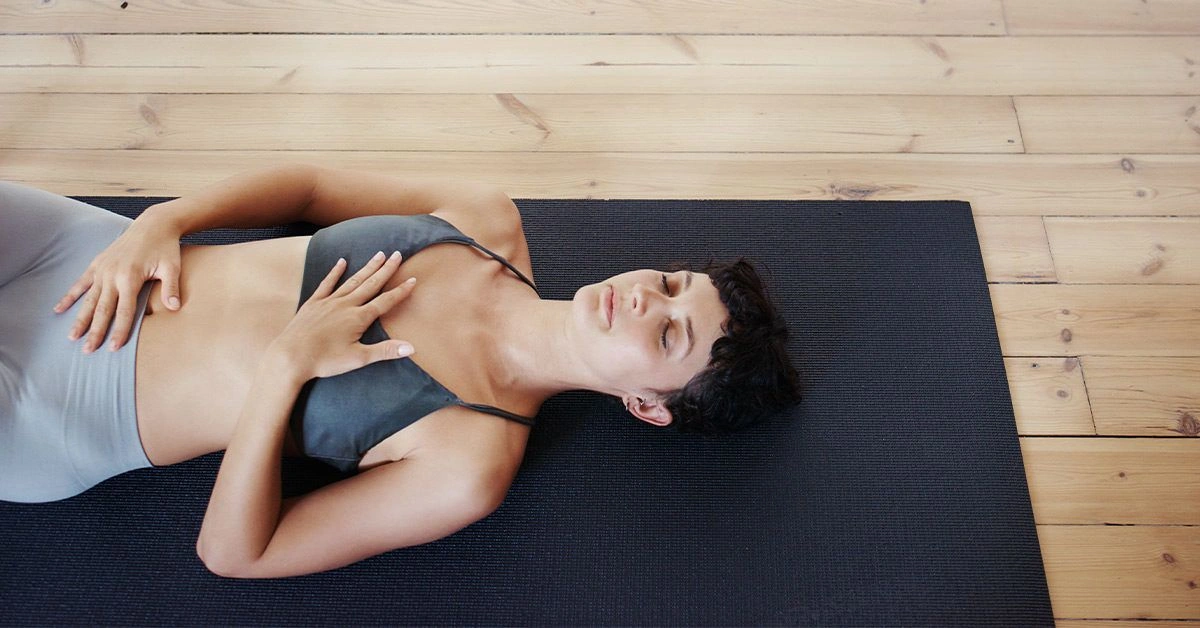
Progressive muscle relaxation (PMR) is a method that involves deliberately tightening and then releasing groups of muscles in a specific sequence, addressing each area individually.
One effective approach to ease muscular tightness is progressive muscle relaxation, sometimes called Jacobson’s relaxation method.
Below we’ll explore what PMR entails, the advantages it offers, and how to practice this routine.

What is progressive muscle relaxation?
PMR was developed by American physician Edmund Jacobson in the 1920s. His approach was founded on the idea that relaxing the body can help calm the mind.
Jacobson observed that deliberately contracting a muscle and then releasing it leads to physical relaxation, which in turn fosters mental ease.
PMR gives you a structured way to reach this relaxed state. You focus on one muscle group at a time so you can become aware of the tension in that specific region.
It’s important to tense the muscles before you relax them. This contrast enhances the sensation of release in the targeted area.
What are the benefits?
There’s a solid body of research supporting the health advantages of PMR. Here’s a summary of what studies have found about this technique.
Decreases anxiety and physical tension
One of the primary advantages of PMR is anxiety reduction. This applies to generalized anxiety and anxiety triggered by stressful events, according to research.
Enhances sleep quality
Because PMR promotes bodily relaxation, it can also improve sleep.
For example, a 2020 study evaluated PMR with 80 burn patients, a group that often experiences elevated anxiety and disturbed sleep due to their injuries and psychological strain.
The participants were split into two groups. One group practiced PMR for 20–30 minutes daily over three consecutive days, while the comparison group received only standard care.
After three days, those who did PMR had notably lower anxiety and better sleep quality than the group that received routine care alone.
How to do progressive muscle relaxation
PMR is simple to practice at home and doesn’t require any special tools. All you need is concentration, mindful attention, and a quiet place free from interruptions.
The main principle is to tense each muscle group for about 5 seconds, then exhale and let the muscles relax fully for 10 to 20 seconds before moving on.
Try PMR
- Begin by lying down or sitting comfortably. Soften your whole body and take five slow, deep breaths.
- Curl your toes upward. Keep the tension briefly, then release. Point your toes downward. Hold, then let go.
- Next, tighten your calf muscles, then release them.
- Bring your knees gently together. Hold, then let them relax.
- Squeeze your thigh muscles. Hold, then release.
- Clench your fists. Pause, then relax your hands.
- Contract your forearms and upper arms. Hold, then let go.
- Tense your gluteal muscles. Pause, then release.
- Draw in your abdominal muscles. Hold briefly, then let them soften.
- Inhale and tighten your chest muscles. Hold, then exhale and relax.
- Lift your shoulders up toward your ears. Pause, then drop them and relax.
- Pucker your lips together. Hold, then let them loosen.
- Open your mouth wide. Hold, then let it go.
- Squeeze your eyes shut. Pause, then release.
- Raise your eyebrows. Hold, then let them return to normal.
Tips for beginners
If you’re new to PMR or relaxation practices in general, consider these practical suggestions:
- Allocate 15–20 minutes for a session and choose a quiet, comfortable space.
- Turn off your phone to minimize interruptions.
- Avoid holding your breath, which can increase tension. Breathe in when you tense and breathe out fully when you relax.
- Use an order that feels natural to you — you can start at the head and work downward if you prefer.
- Wear loose, breathable clothing.
- Practice PMR when you’re already relatively calm, especially at first, to become familiar with the method more easily.
Listening to a guided PMR recording can be helpful so you don’t have to remember every step while practicing.
Where to find guided audio:
- YouTube
- Wellness or meditation podcasts
- Mobile apps like Headspace
If needed, a mental health professional such as a therapist can walk you through the process in person or via telehealth.
For those dealing with muscle tightness from injury or chronic pain, combining PMR with other options like relajantes musculares may be worth discussing with a clinician.
The takeaway
Progressive muscle relaxation (PMR) is a relaxation strategy that involves systematically tensing and then relaxing muscles, one group at a time. This practice helps release bodily tension and can alleviate stress and anxiety.
You can perform PMR at home with regular practice for optimal effects. Over time, it may help you feel more relaxed physically and calmer mentally.





















Leave a Reply
You must be logged in to post a comment.