
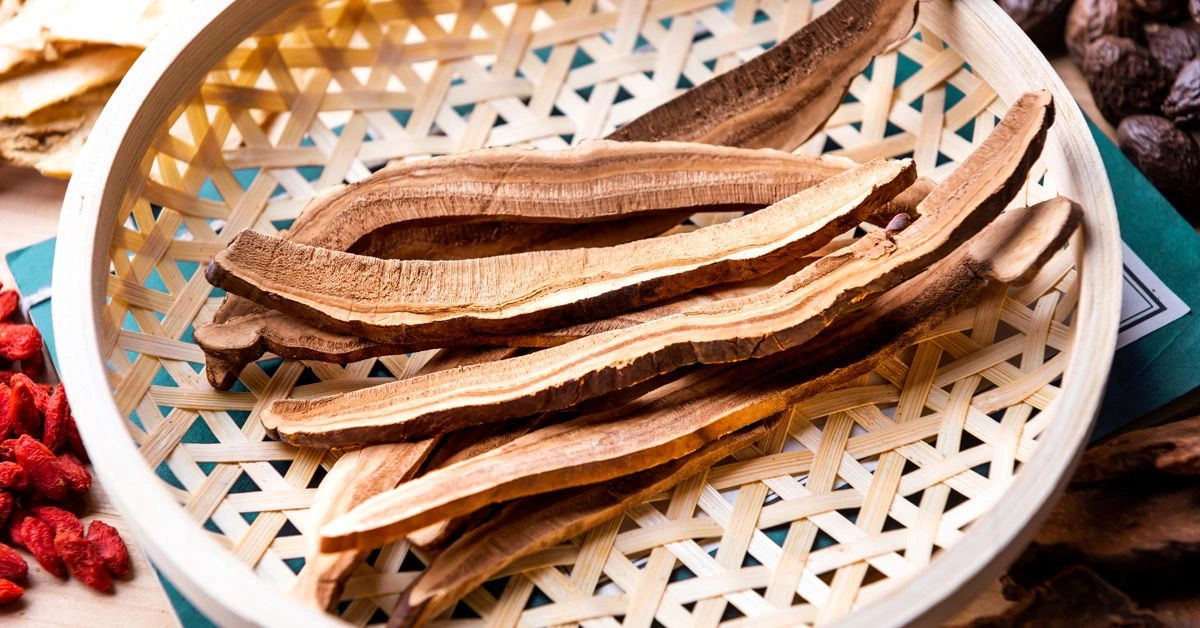
Reishi mushrooms might support your immune function and general wellbeing, but they can also trigger digestive issues and could be unsafe for certain individuals, particularly those on specific medications.
The reishi fungus, also called Ganoderma lucidum or lingzhi, is a mushroom that thrives in warm, humid parts of Asia.
It’s associated with a variety of possible health advantages, including immune enhancement. Still, questions about its safety have emerged in recent years.
Read on to discover six possible benefits of reishi mushrooms.

1. Enhances immune function
One of the primary reported effects of reishi is its potential to support the immune system.
Although many details remain unresolved, laboratory studies indicate that reishi can influence gene expression in white blood cells, which are key players in immune defense.
Additionally, certain reishi preparations may modulate inflammatory signaling within white blood cells.
For example, research indicates reishi could influence the activity of T lymphocytes (T cells), which are crucial for immune responses against infections and malignancies.
Despite these encouraging results, additional studies are necessary to clarify reishi’s potential anti-inflammatory and immune-supporting effects.
2. Potential anticancer actions
Many people use reishi because of its suggested anticancer effects.
Indeed, several in vitro and animal investigations have found that reishi extracts and reishi spore oil can induce cancer cell death.
Some studies have explored whether reishi may be useful for prostate and colorectal cancers, owing to its influence on inflammation and signaling pathways linked to tumor development.
Moreover, a 2016 review reported that when used alongside conventional therapies, the mushroom might help cancer patients by boosting white blood cell activity and enhancing quality of life.
Nonetheless, more human-focused research is required to determine reishi’s effects on cancer progression.
3. May lessen fatigue and depressive symptoms
While reishi’s immune effects often get the most attention, it may also help reduce fatigue and symptoms of depression.
A 2024 review notes one study where reishi polysaccharides appeared to reduce post-exercise fatigue.
Another 2024 trial in cancer patients found that taking reishi products lowered fatigue, anxiety, and depressive symptoms.
Although reishi shows promise for people with particular health issues, it’s uncertain whether the same benefits would apply to individuals without those conditions.
4. Might support cardiovascular health
A range of in vitro and animal studies suggest reishi may help lower blood glucose and triglycerides while raising HDL “good” cholesterol.
An earlier study in healthy adults observed a slight trend toward reduced lipid levels, though it was not statistically meaningful.
More recent work indicates that reishi supplementation can reduce cholesterol and help regulate triglycerides and other lipid markers.
Further research is still needed to fully understand how reishi impacts heart health.
5. Could aid blood sugar control
In addition to possible heart advantages, some animal studies suggest compounds in reishi might help reduce blood glucose.
Conversely, a 2016 human study reported no effects of reishi supplementation on fasting glucose or hemoglobin A1c, which reflects long-term blood sugar control.
As a result, more investigation is warranted in this area as well.

6. Antioxidant potential
Antioxidants are substances that help shield cells from damage.
Some studies indicate that reishi mushrooms contain antioxidant compounds that may help prevent oxidative stress.
However, several earlier trials from 2004 and 2011 detected no changes in key antioxidant enzyme levels in the bloodstream after 4 to 12 weeks of reishi consumption.
Therefore, more work is necessary to clarify reishi’s potential antioxidative effects.
Dosage depends on the form consumed
Unlike some foods and supplements, reishi dosing varies with the form used.
Commonly a dried extract is taken. In these cases, the extract dose is roughly ten times lower than the raw mushroom amount.
For instance, 50 grams of the whole reishi mushroom might be roughly equivalent to about 5 grams of a concentrated extract.
A 2015 review concluded there’s no standardized dose for reishi supplements. Typical suggested amounts range from 1.5 to 9 g daily.
Some products contain only specific extract fractions, so recommended dosages for those may be considerably lower than the ranges above.
Possible adverse effects and risks
Despite its widespread use, concerns have been raised about reishi’s safety.
A 2020 study in women with fibromyalgia reported that some participants experienced:
- nausea
- stomach discomfort
- diarrhea
- indigestion
Earlier research from 2004 showed that using reishi extract for four weeks did not harm liver or kidney function in healthy adults.
Conversely, serious liver injuries have been documented in several case reports.
Because other contributing factors were often present, it can be hard to pin the liver damage directly on the mushroom.
Still, certain people should likely steer clear of reishi, including:
- those taking medications such as blood thinners or immunosuppressants
- pregnant or breastfeeding individuals
- people with existing liver or kidney disease
- children
Talk with a healthcare provider before using reishi supplements. They can advise whether it’s appropriate for you and recommend a safe dose if applicable.
The takeaway
Reishi is a commonly used medicinal mushroom in Eastern traditions that may enhance immune function.
It might also reduce tumor size and number in some cancers and improve quality of life for certain cancer patients when combined with conventional care.
Some evidence points to benefits for fatigue, cholesterol, blood sugar, and antioxidant levels, but further research is necessary to more fully define reishi mushroom’s effects.

















Leave a Reply
You must be logged in to post a comment.