

Foodborne bacteria and parasites — including tapeworms, giardia, and ascaris — can lead to serious health complications when left untreated. Although they are invisible to the naked eye, these organisms may contaminate everyday meals. Understanding the Foods to avoid with parasites and practicing safe food handling are essential steps in protecting your digestive health.

If ignored, foodborne parasites and harmful bacteria can become life-threatening. Preventing contamination is therefore a major public health priority for governments, regulatory agencies, and food manufacturers worldwide.
Because you usually can’t see, smell, or taste these pathogens, the risk can feel unsettling. Below are eight common foodborne parasites and bacteria that may be present in food, along with practical, evidence-based strategies to reduce your risk of infection. Learning which Foods to avoid with parasites and how to prepare meals safely can significantly lower your chances of illness.
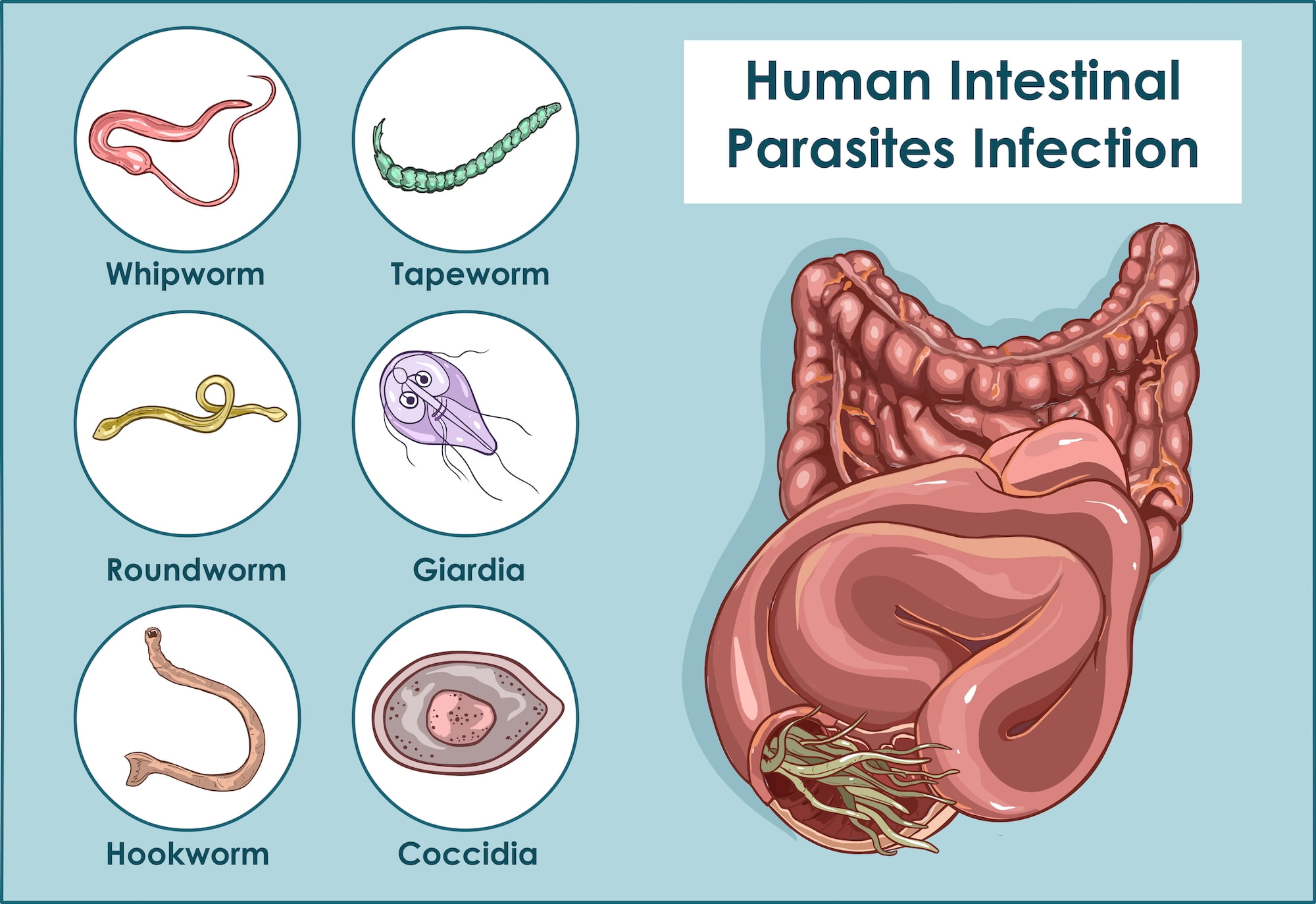
1. E. coli
When E. coli causes illness in humans, it is typically referring to Shiga toxin-producing E. coli (STEC). The strain most frequently associated with outbreaks is 0157, which produces a harmful toxin known as Shiga toxin.
E. coli is most commonly linked to undercooked ground beef and other improperly cooked beef products.
You won’t be able to detect it by sight, smell, or taste. After ingestion, symptoms may include severe stomach cramps, vomiting, fever, and diarrhea — often bloody.
How to prevent it
There are currently no medications that directly cure an E. coli infection and no vaccines available for prevention. The most reliable protective measure is thoroughly cooking beef to an internal temperature of 160°F (71.1°C).
Maintain strict kitchen hygiene: sanitize surfaces, wash your hands frequently, and avoid cross-contamination between raw meat and ready-to-eat foods. Being mindful of Foods to avoid with parasites and bacteria, such as undercooked meats, plays a central role in prevention.
2. Giardia
Giardia is among the leading causes of waterborne and foodborne illness in the United States. It is typically present in water or food contaminated with feces that contain the parasite. Infection with Giardia is called giardiasis.
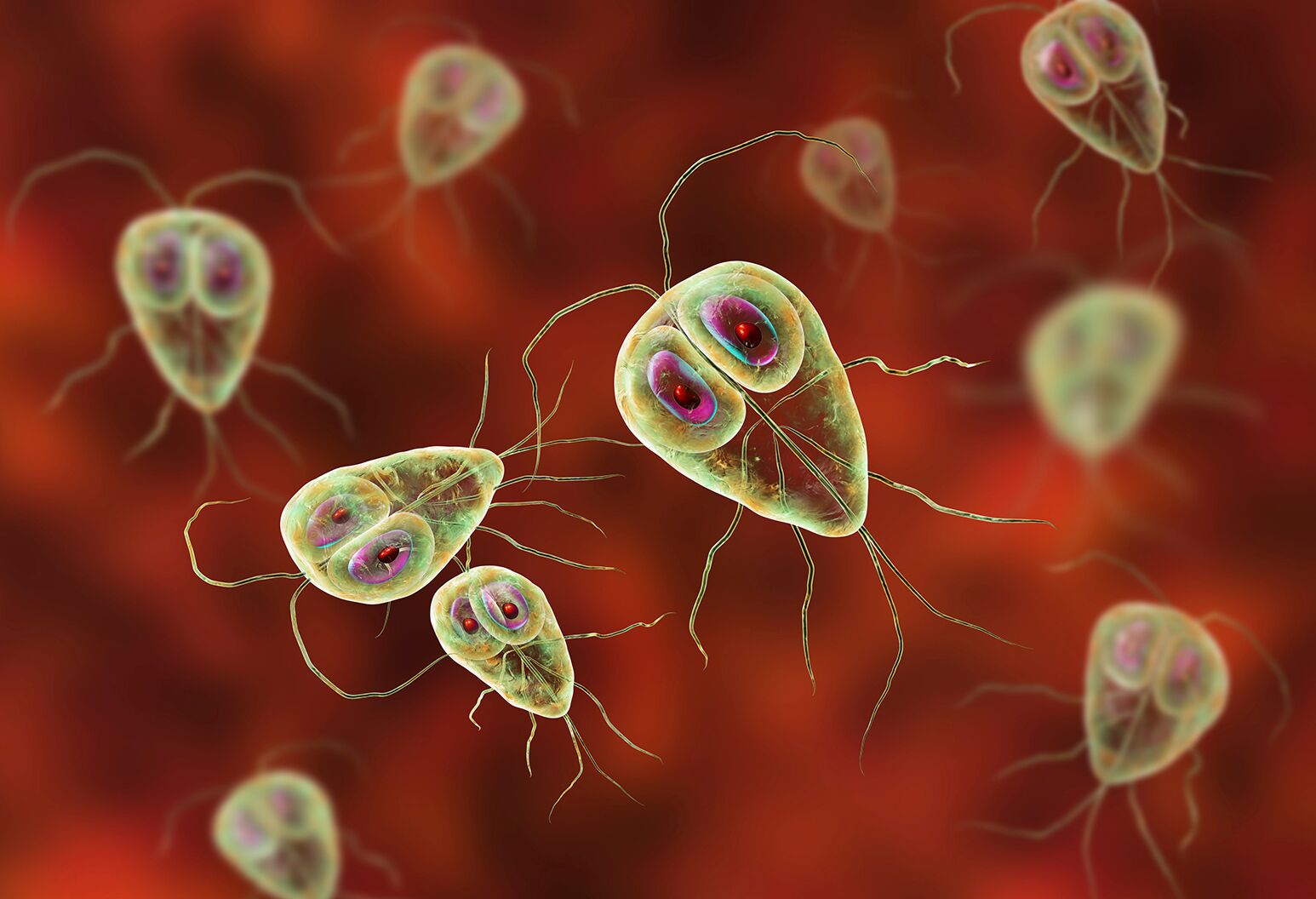
Food-related giardiasis most often occurs after consuming undercooked pork, lamb, or wild game.
Common symptoms include abdominal cramps, bloating, diarrhea, and nausea. According to the CDC, symptoms can appear within 1 to 2 weeks and may last 2 to 6 weeks. In rare instances, they may persist for months or even years.
How to prevent it
- Wash your hands thoroughly and regularly.
- Drink water from treated municipal systems or properly filtered sources.
- Avoid swallowing water while swimming.
- Cook all meats completely before eating.
Additionally, understanding Foods to avoid with parasites and practicing safe food storage can reduce your exposure risk. You may also explore dietary strategies such as incorporating Foods that kill parasites in humans as part of a broader digestive health plan.
3. Tapeworm
Several species of tapeworms can enter the human body through contaminated food.
Most human tapeworm infections result from consuming undercooked beef or pork, or from eating raw or undercooked fish that contains larvae.
Symptoms may be absent for months or even years. When present, they can include unexplained weight loss, abdominal discomfort, and anal irritation.
How to prevent it
Cook all meat and fish thoroughly to recommended safe temperatures. Wash fruits and vegetables carefully before consuming or preparing them.
Poor hygiene can worsen a pork tapeworm infection. Scratching the anal area and failing to wash hands properly can transfer eggs from the anus to the mouth, leading to reinfection.
4. Toxoplasma gondii
Toxoplasma gondii is a microscopic parasite responsible for toxoplasmosis. It reproduces inside cats and spreads through contact with cat feces.
Handling an infected cat or cleaning a litter box without washing your hands can transfer the parasite to food during preparation.
Symptoms resemble the flu. The U.S. Department of Agriculture (USDA) identifies toxoplasmosis as the third leading cause of death from foodborne illness globally.
Infection may also occur after consuming undercooked meat or drinking untreated water.
How to prevent it
Wash and cook food thoroughly, clean hands frequently, and wear gloves when handling cat feces. Avoiding high-risk items on the list of Foods to avoid with parasites, such as raw or undercooked meats, is particularly important for pregnant individuals and those with weakened immune systems.
5. Ascaris
Ascaris is a genus of intestinal roundworm. Transmission occurs when a person ingests eggs from contaminated soil. These eggs may contaminate produce grown in such soil if it is not properly washed.
Ascariasis symptoms are often mild or absent but may include nausea, vomiting, abdominal pain, coughing, and shortness of breath.
How to prevent it
Prevent infection by washing your hands regularly, cleaning all fruits and vegetables before consumption, and avoiding produce suspected to have been grown in contaminated soil.
6. Cryptosporidium
Cryptosporidium parasites are protected by a durable outer shell and can be found in fresh produce, milk, and fruit juices.
Cryptosporidiosis (Crypto) can cause stomach upset, low-grade fever, cramping, and watery diarrhea. Symptoms typically develop 2 to 10 days (on average 7 days) after exposure.
Direct contact with feces containing the parasite — such as during diaper changes — may also result in infection.
How to prevent it
Wash produce carefully, choose pasteurized milk and juices, and practice consistent hand hygiene. Being selective about Foods to avoid with parasites can further reduce risk.
7. Fish flukes or flatworms
Fish may harbor flukes or flatworms such as Opisthorchiidae and Paragonimus. Proper cooking destroys these parasites, so infection most often occurs after eating raw or undercooked fish.
Symptoms differ depending on the species involved and may take months to appear, often presenting as digestive discomfort.
How to prevent it
Although the likelihood of infection is relatively low — especially with high-quality “sushi-grade” seafood — caution is advised when consuming raw fish. When traveling abroad, avoid raw freshwater fish and dishes prepared under uncertain hygienic conditions.
8. Pinworms
Pinworms, also referred to as threadworms, include species such as Vibrio vulnificus, Shigella, and Trichinella. They are responsible for the most common worm infection in the United States.
While children are most frequently affected, anyone can become infected. Poor hygiene, such as inadequate handwashing, allows pinworms to contaminate food and spread easily within households.
These worms typically survive for about 5 to 6 weeks in the intestines before dying, leaving eggs that hatch and reinfect the host.
The hallmark symptom is itching around the anus, which can promote reinfection when eggs are transferred to the mouth via contaminated hands.
How to prevent it
Pinworms are usually treated with medication. Improved hygiene — including consistent handwashing, trimmed fingernails, and daily laundering of bedding — significantly lowers transmission risk. In some cases, physicians may recommend the Best medicine to kill parasites in humans to eliminate infection effectively.
Q&A: Good parasites and good bacteria
Q:
Are there any bacteria or parasites that are beneficial to eat?
A:
Yes, certain microorganisms provide health benefits. Probiotics are beneficial bacteria that support human health. These live microorganisms are present in fermented foods and beverages such as kombucha, kimchi, sourdough, and sauerkraut. Research shows that probiotics may enhance digestive function, heart health, immune response, skin health, weight regulation, and mental well-being.
Emerging research also suggests that some parasites might have therapeutic potential. Scientists are investigating their possible role in managing immune-mediated and gastrointestinal diseases, including ulcerative colitis. While more studies are needed, this evolving field highlights the complex relationship between humans and microorganisms.




















Leave a Reply
You must be logged in to post a comment.