

Brushing with fluoride toothpaste, cutting back on sugary foods, and ensuring adequate intake of calcium and vitamins are a few ways to slow down mineral loss from tooth enamel.
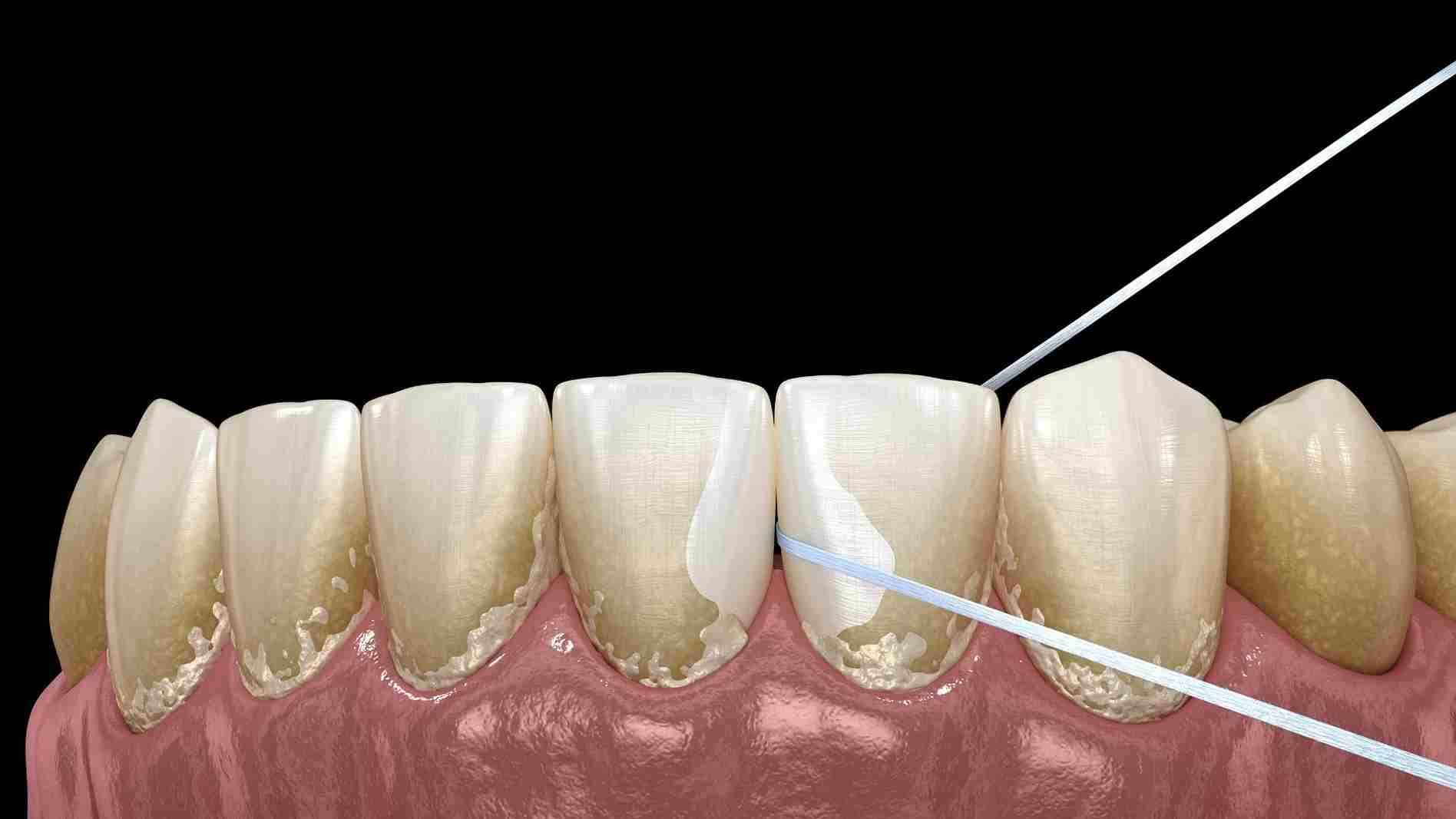
Minerals like calcium and phosphate form the bulk of tooth enamel, as well as dentin and bone. They play a key role in guarding against decay and cavities.
As we get older, mineral content in our teeth can decline. This may result from consuming acidic or sugary foods and from the buildup of bacteria in the mouth. Once enamel or bone is lost, it can’t be naturally restored without replacing the tooth.
That said, you can support the replenishment of these minerals through lifestyle adjustments and at-home measures before decay progresses. This restorative process is called remineralization, and it’s possible to halt demineralization in its tracks.
Consult your dentist about the following strategies to encourage remineralization and reduce demineralization. These two processes are connected and are constantly in balance.
1. Brush your teeth
Regular brushing removes bacteria. Cavities (dental caries) are mainly driven by the accumulation of Streptococcus mutans in the mouth.
A 2016 study showed these bacteria are spread through food and drinks. Brushing consistently helps eliminate the bacteria that cause mineral loss and cavities.
2. Use fluoride toothpaste
Not every toothpaste will protect against demineralization.
The American Dental Association (ADA) endorses fluoride toothpaste. In fact, a toothpaste must contain fluoride to earn the ADA Seal of Acceptance.
Fluoride toothpaste can help prevent decay and fortify teeth, making them less prone to future mineral loss.
3. Cut out sugar
Your dentist has probably cautioned you about sugar for good reasons. Oral bacteria ferment sugar, creating an acidic environment that drives enamel demineralization.
Importantly, a study found that the frequency of sugar intake contributes more to demineralization than the total amount consumed.
Put simply, frequent small servings of sugary foods can be more damaging than having a sugary treat occasionally.
4. Chew sugarless gum
The effect of gum on oral health has been debated, but evidence suggests sugar-free gum may help with remineralization.
An older study reported that sugarless gum can dislodge sugar, plaque, and carbs from teeth while stimulating saliva production.
Gum may also provide a protective effect against mineral loss. Xylitol and sorbitol are among the most promising sugar-free sweeteners. For remineralization benefits, try chewing sugarless gum after or between meals.
5. Consume fruit and fruit juices in moderation
Fruit is part of a nutritious diet, but many fruits are acidic. Citrus fruits like oranges and grapefruit are among the most erosive.
Fruit acids cause calcium chelation on enamel, meaning the acids bind calcium and remove it. Fruit juices are typically worse because they are highly acidic and often contain added sugars.
It’s best to limit juices and reserve acidic fruits for occasional consumption.
6. Get more calcium and vitamins
Although teeth naturally contain calcium, acids and bacteria slowly deplete it. You can replenish calcium by consuming calcium-rich foods. For instance, a 2003 study found that eating cheese high in calcium can offset the effects of sugar.
If your diet lacks calcium, discuss supplements with your physician.
A 2012 study noted that vitamin D supplementation might reduce cavity risk. Ask your doctor or dentist whether vitamin D supplements are appropriate for you.
Also consider a daily multivitamin to ensure you’re obtaining other nutrients important for strong teeth.
7. Consider probiotics
When using probiotics for remineralization, pick strains that are naturally present in the mouth to replenish beneficial bacteria without introducing harmful types.
The following probiotic strains may support oral health and remineralization:
- bifidobacterium
- reuteri
- rhamnosus
- salivarius
Probiotics are available as supplements and in some yogurts. Daily use is recommended for optimal effects.
8. Address your dry mouth
Dry mouth results from insufficient saliva production. Saliva not only keeps the mouth comfortable but also helps prevent cavities.
According to 2016 research, saliva plays a central role in remineralization by supplying phosphate and calcium.
If you experience dry mouth, ask your dentist about gums and rinses that can boost saliva flow.
9. Reduce starchy foods
Starchy items like potatoes, rice, and bread contain simple carbohydrates that increase fermentable sugars in the mouth, which can harm teeth.
However, a 2003 study indicated that the decay risk is greater when starchy foods are eaten together with sugar. For example, sweetened rice is a problem for teeth, while plain rice is less concerning.
10. Drink more water
Water remains the beverage of choice for doctors, nutritionists, and dentists. It’s sugar-free and helps flush harmful substances from the body.
Rinsing your mouth with water can also help reduce demineralization when brushing isn’t possible—especially after consuming acidic or sugary items.
Coffee and tea aren’t entirely off-limits, but they offer little remineralizing benefit and can be acidic (coffee especially). Adding sugar makes them more harmful to oral health.
Sodas are acidic and often sugary, so they should be limited as well.
The bottom line
Mineral loss is inevitable because teeth face daily exposure to various elements—food, drinks, saliva, and bacteria—that cause wear. Although teeth are designed to withstand this stress, excessive demineralization can eventually damage them.
Taking steps to encourage remineralization and halt ongoing demineralization, combined with routine dental visits, can help preserve dental health.




















Leave a Reply
You must be logged in to post a comment.